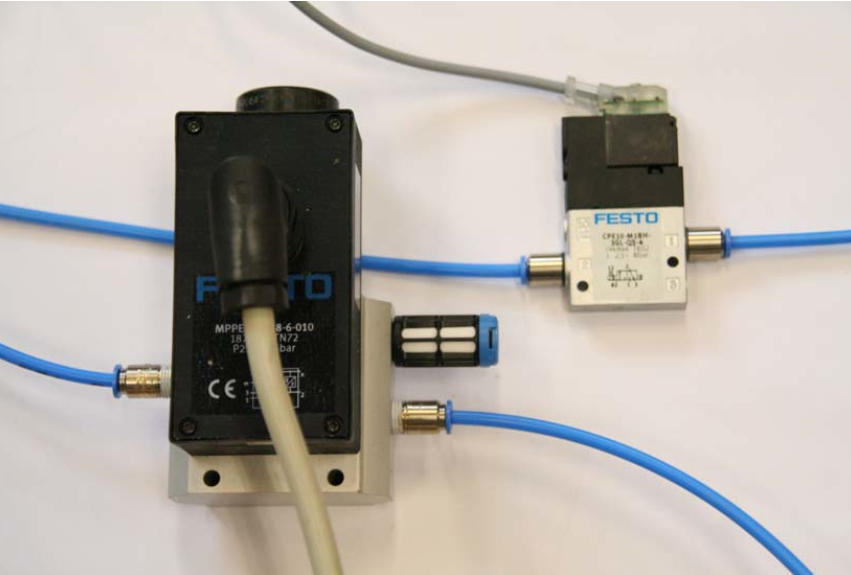
The main purpose of a proportional pressure regulator is to control the air or fluid pressure evenly. It lets you set how much pressure should be allowed, and the regulator makes this pressure constant. There are so many regulators that you can choose from, but choosing the right one depends on your needs. In this blog, we have discussed the process of choosing the right regulator for your application in simple steps. So, let’s read the article!
Step 1 — Understand the task requirements
Write down what your system needs. Ask:
- What pressure range do I need (low, medium, high)?
- How fast should the regulator respond?
- How many times a minute will it change?
This helps match the regulator to the job.
See also: How IPTV Works: A Comprehensive Guide to IPTV Technology
Step 2 — Match the size and flow
Pick a proportional pressure regulator that fits the pipes and the amount of air or fluid that will pass through. Too small and it will struggle. Too large and it will be hard to control. Look for the flow rating on the product label.
Step 3 — Choose the right control style
Some devices use a simple knob. Others use an electronic signal. If you want precise and fast control, use an electronic pressure regulator. If you need basic control by hand, a manual one will work. The electronic regulator gives finer control for tasks that need steady pressure.
Step 4 — Check how it connects
Make sure the ports match your pipes. Check the thread type and size so you do not need special adapters. Also, look at how the regulator mounts. Does it need to be on a panel, a bracket, or hung up?
Step 5 — Think about the environment
If the regulator sits in a dusty or wet place, pick one rated for that. For cold or hot spots, check temperature limits. If it can get knocked, choose a tough model.
Step 6 — Look at power and signals
Electronic models need power and a control signal. Make sure your system can provide the right voltage and that the control signal (0–10 V, 4–20 mA, or digital) matches. If not, you will need converters.
Step 7 — Accuracy and repeatability matter
If you need the exact same pressure every time, check the accuracy spec. If the regulator must return to the same pressure after many moves, look for repeatability specs. This keeps the machine working the same way.
Step 8 — Service and spare parts
See how easy it is to clean or replace parts. Filters, seals, and coils should be available. A simple design saves time when you need repairs. Ask the supplier about parts.
Step 9 — Total cost and budget
A cheaper unit can usually cost more if it breaks or wastes energy. Think about long-term savings: energy, maintenance, replacements. Sometimes a slightly pricier electro pneumatic regulator saves money later.
Quick checklist before buying
- Correct pressure range?
- Proper flow rating?
- Right control type (manual or electronic)?
- Mounting and ports match?
- Suitable for the environment?
- Power and signal compatible?
- Good accuracy and repeatability?
- Parts available nearby?
Start with a clear list and test samples.
Simple example
A small paint sprayer needs steady, low pressure, and quick changes. Choose an electronic pressure regulator that is compact, accurate, and fast to respond.
Final tip
When in doubt, talk to a supplier and give them your notes from Step 1. A short list of application needs helps them suggest the best match. Picking the right proportional pressure regulator makes machines run smoother, saves money, and cuts down on fixes.