Sustainability has become a major focus for Australian businesses as environmental regulations tighten and consumers increasingly expect responsible practices. Packaging and transport materials are often under scrutiny because of their high volume and frequent use. One common question businesses ask is whether plastic crates can be reused and recycled effectively within Australia. Understanding how reuse systems work, what recycling options are available, and how these practices align with local infrastructure helps organizations make informed, environmentally responsible decisions.
Reuse as a Core Sustainability Advantage
One of the strongest environmental benefits of plastic crates is their ability to be reused many times throughout their lifespan. Unlike single-use packaging, reusable containers are designed to withstand repeated handling, stacking, and transport without losing structural integrity. In Australia, many industries such as agriculture, food distribution, and retail rely on reuse models that allow crates to circulate between suppliers, distributors, and end users. Each reuse cycle reduces the need for new materials and lowers overall waste generation, making reuse a practical sustainability strategy.
Durability and Long Service Life
The durability of plastic crates plays a key role in their reusability. Made from high-quality polymers, these containers are resistant to moisture, impact, and temperature changes commonly experienced across Australia’s varied climate. This resilience allows them to remain functional for years, even in demanding environments such as cold storage or outdoor transport. A longer service life means fewer replacements, which directly reduces material consumption and manufacturing emissions over time.
Cleaning, Hygiene, and Safe Reuse
For reuse to be effective, containers must be easy to clean and safe to handle repeatedly. Plastic crates are designed with smooth, non-porous surfaces that can be washed and sanitized efficiently. This makes them suitable for industries with strict hygiene standards, including food and pharmaceutical sectors. In Australia, many reuse systems include centralized washing facilities that ensure crates are cleaned to regulatory standards before being returned to circulation, supporting both safety and sustainability goals.
Recycling Infrastructure in Australia
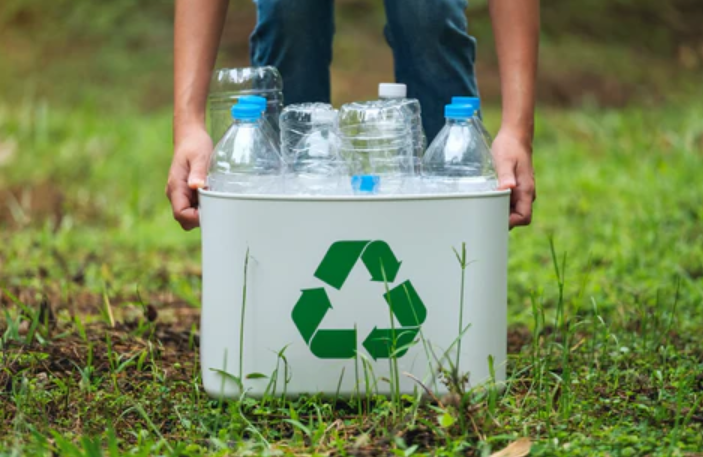
When plastic crates eventually reach the end of their usable life, recycling becomes an important consideration. Australia has a well-established plastics recycling infrastructure, although it varies by region and material type. Most crates are made from recyclable plastics such as high-density polyethylene or polypropylene, which are accepted by industrial recyclers. These materials can be processed and remanufactured into new products, including new crates, supporting a circular economy approach.
Industry Take-Back and Closed-Loop Systems
Many suppliers and logistics providers in Australia operate take-back programs for plastic crates. These programs ensure damaged or worn containers are collected and sent to appropriate recycling facilities rather than being disposed of in landfill. Closed-loop systems, where recycled material is used to manufacture new crates, are becoming increasingly common. This approach minimizes waste, conserves resources, and reduces reliance on virgin plastic, aligning with national sustainability targets.
Environmental Impact Compared to Single-Use Packaging
When evaluating environmental performance, it is important to look beyond material type and consider usage patterns. Single-use packaging may appear recyclable, but frequent disposal leads to high volumes of waste and increased demand for raw materials. Plastic crates, through repeated reuse and eventual recycling, often have a lower environmental impact per use. In Australia, where transport distances can be long, durable reusable containers also help reduce product damage and waste during transit, further improving sustainability outcomes.
See also: Choosing the Right Law Firm for Complex Business Decisions in Dubai
Regulatory and Corporate Sustainability Alignment
Australian environmental policies increasingly encourage waste reduction, reuse, and recycling. Businesses that adopt reusable and recyclable packaging solutions are better positioned to meet regulatory expectations and corporate sustainability commitments. Plastic crates support these objectives by fitting into reuse models and established recycling streams. They also help companies demonstrate responsible resource management, which is increasingly valued by customers, partners, and investors.
Challenges and Best Practices
While reuse and recycling systems are well developed, challenges still exist. Proper tracking, return logistics, and user compliance are essential for successful reuse programs. Businesses must invest in systems that ensure crates are returned, cleaned, and reused efficiently. Clear labeling and partnerships with reliable recyclers also help ensure that plastic crates are recycled correctly at the end of their life, rather than entering general waste streams.
Conclusion
In the Australian context, plastic crates can be both reused and recycled effectively when supported by appropriate systems and infrastructure. Their durability enables long service lives, while established recycling processes ensure responsible end-of-life management. By integrating reuse models and participating in recycling programs, businesses can reduce waste, lower environmental impact, and align with sustainability expectations. When managed properly, plastic crates represent a practical and environmentally responsible solution for storage and transport across a wide range of industries.