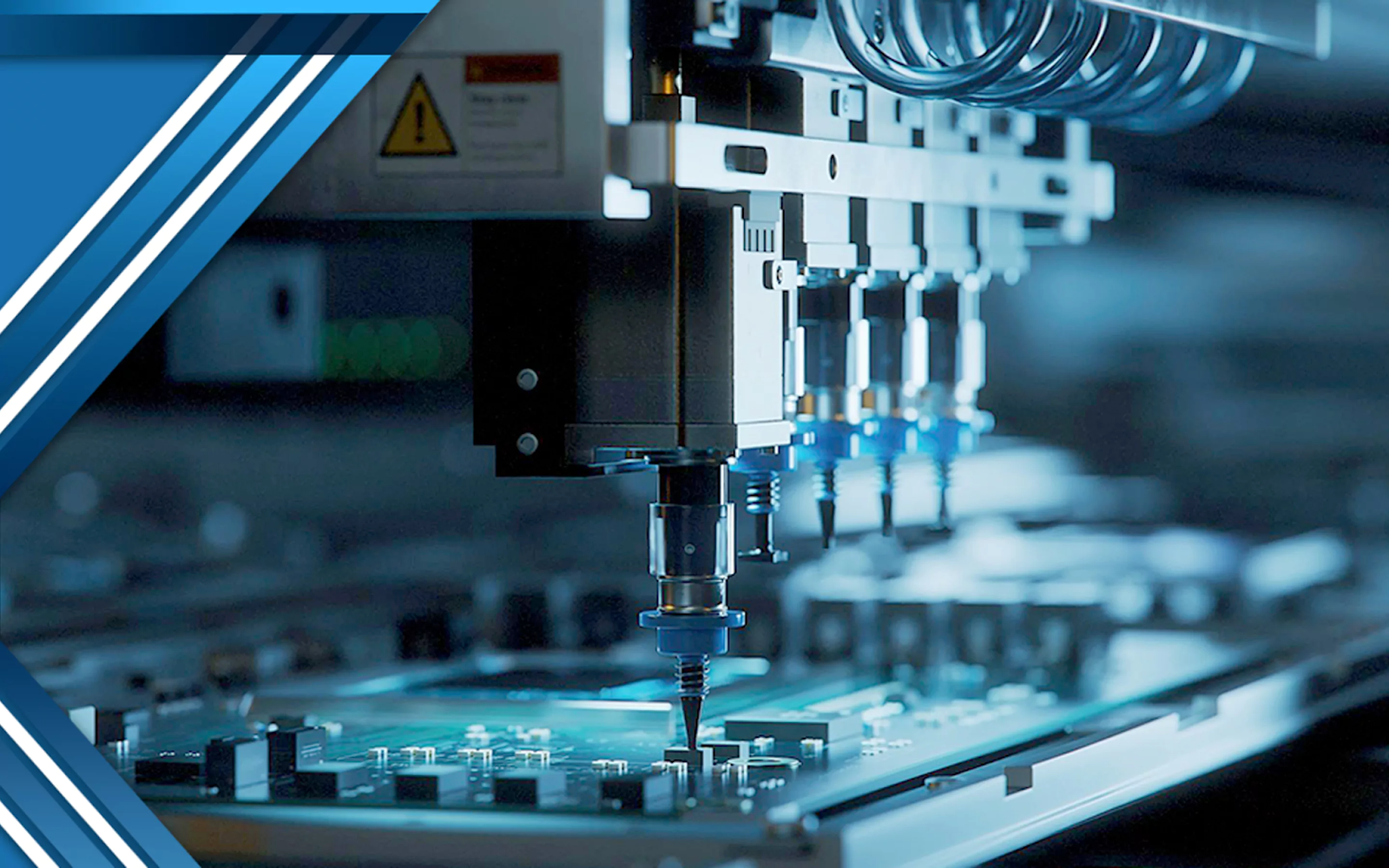
High frequency PCB manufacturing focuses on producing circuit boards designed to operate efficiently at microwave and radio frequencies, ensuring low signal loss, stable impedance, and reliable performance in applications such as telecommunications, radar systems, satellite communication, and high-speed networking equipment.
Modern electronic systems require precision and consistency, and high frequency pcb manufacturer services play a crucial role in delivering boards built with specialized materials, controlled impedance designs, and advanced fabrication techniques that minimize signal degradation and support high-speed data transmission.
What Is a High Frequency PCB?
A high frequency PCB is a specialized printed circuit board designed to handle signals typically above 500 MHz. These PCBs are engineered using materials that maintain stable electrical properties at high frequencies, such as low dielectric constant (Dk) and low dissipation factor (Df).
Unlike standard PCBs, high frequency boards are optimized to reduce electromagnetic interference (EMI), signal attenuation, and crosstalk. This makes them ideal for applications where signal integrity is critical and even minor losses can impact performance.
Key Materials Used in High Frequency PCBs
Material selection is one of the most important aspects of high frequency PCB manufacturing. Common materials include:
PTFE (Polytetrafluoroethylene)
PTFE-based laminates are widely used due to their excellent electrical properties and low signal loss characteristics.
Ceramic-Filled Materials
These materials combine ceramics with polymers to achieve stable dielectric constants and improved thermal performance.
Hydrocarbon-Based Laminates
These are cost-effective alternatives that still offer good high-frequency performance and are easier to process compared to PTFE.
Rogers Materials
Specialized laminates such as Rogers series are commonly used in high-performance RF and microwave applications.
Importance of Controlled Impedance in High Frequency PCBs
Controlled impedance is critical in high frequency PCB design. It ensures that signal traces maintain consistent electrical characteristics across the board, preventing reflections and signal distortion.
Engineers carefully calculate trace width, spacing, and layer stack-up to achieve the desired impedance values. This is especially important in applications like RF circuits, where signal accuracy directly affects system performance.
High Frequency PCB Manufacturing Process
The manufacturing process involves several precise steps to ensure high-quality output:
Design and Simulation
Before fabrication, engineers use simulation tools to analyze signal behavior, impedance, and electromagnetic performance.
Material Preparation
High-quality substrates are selected based on the application’s frequency requirements and environmental conditions.
Layer Stack-Up Design
The PCB layers are carefully arranged to maintain signal integrity and minimize interference.
Imaging and Etching
Circuit patterns are transferred onto the board using photolithography, followed by chemical etching to form conductive traces.
Drilling and Plating
Holes are drilled for vias, and copper plating is applied to establish electrical connections between layers.
Solder Mask and Surface Finish
A protective solder mask is applied, followed by surface finishes such as ENIG or immersion silver to protect exposed copper and enhance solderability.
Testing and Quality Inspection
Each board undergoes rigorous testing, including electrical testing and visual inspection, to ensure compliance with performance standards.
See also: Tech innovations transforming insurance: ai, iot, and blockchain
Applications of High Frequency PCBs
High frequency PCBs are widely used in industries that demand high-speed and high-precision signal transmission:
- Telecommunications (5G infrastructure, base stations)
- Aerospace and defense systems
- Automotive radar and sensor systems
- Satellite communication devices
- RF amplifiers and antennas
- Medical imaging equipment
These applications require stable signal performance, making high frequency PCBs essential components in modern technology.
Advantages of High Frequency PCBs
High frequency PCBs offer several advantages that make them suitable for advanced applications:
Low Signal Loss
Special materials and precise design reduce signal attenuation, ensuring efficient transmission.
High Signal Integrity
Controlled impedance and optimized layouts minimize distortion and interference.
Thermal Stability
Materials used in these PCBs maintain performance even under varying temperature conditions.
Reliable Performance at High Speeds
These boards are capable of handling high-frequency signals without compromising quality.
Challenges in High Frequency PCB Manufacturing
Manufacturing high frequency PCBs involves several challenges:
Material Sensitivity
High-frequency materials can be delicate and require specialized handling during fabrication.
Tight Design Tolerances
Small variations in dimensions can significantly affect performance, requiring precise engineering.
Higher Production Costs
Advanced materials and manufacturing processes increase overall costs compared to standard PCBs.
Complex Testing Requirements
Ensuring signal integrity often requires specialized testing equipment and procedures.
How to Choose a Reliable High Frequency PCB Manufacturer
Selecting the right manufacturer is critical for achieving optimal results. Consider the following factors:
- Experience with RF and microwave PCB fabrication
- Availability of advanced materials and equipment
- Ability to provide controlled impedance designs
- Certifications such as ISO and IPC standards
- Strong quality control and testing processes
- Capability to handle prototypes and large-scale production
A reliable manufacturer should offer both technical expertise and consistent delivery performance.
Future Trends in High Frequency PCB Technology
The demand for high frequency PCBs continues to grow with advancements in technology:
Expansion of 5G and Beyond
The rollout of 5G networks and future communication technologies is increasing the need for high-performance RF circuits.
Miniaturization of Devices
Smaller devices require more compact and efficient PCB designs without compromising performance.
Advanced Simulation Tools
Improved design software allows engineers to predict and optimize performance before manufacturing.
Integration with AI and IoT Systems
High frequency PCBs are increasingly used in smart devices that rely on fast and reliable communication.
Conclusion
High frequency PCB manufacturing is a specialized field that plays a vital role in modern electronics. From telecommunications to aerospace systems, these PCBs enable reliable high-speed signal transmission through advanced materials, precise design, and controlled manufacturing processes. Understanding the materials, fabrication steps, and challenges involved helps businesses make informed decisions when selecting a manufacturing partner.
Working with an experienced provider like FastTurn PCB ensures access to advanced fabrication capabilities, quality assurance, and technical expertise required for high-frequency applications.
FAQs
What is the main purpose of a high frequency PCB?
The main purpose of a high frequency PCB is to support efficient signal transmission at high speeds while minimizing signal loss, interference, and distortion in RF and microwave applications.
What materials are commonly used in high frequency PCBs?
Common materials include PTFE-based laminates, ceramic-filled substrates, hydrocarbon laminates, and specialized materials like Rogers laminates, all designed to maintain stable electrical properties at high frequencies.
Where are high frequency PCBs commonly used?
High frequency PCBs are used in telecommunications, aerospace, automotive radar systems, satellite communication, medical devices, and other applications that require precise and high-speed signal transmission.