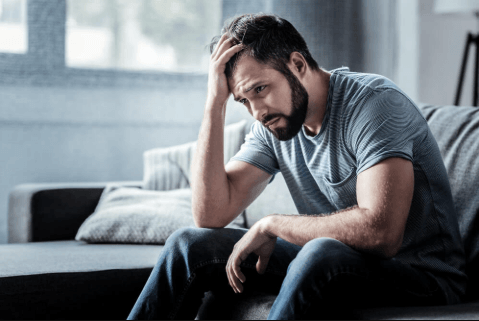
You told yourself you could stop anytime you wanted. But now that you have decided to quit, your body and mind seem to have other plans. The irritability that flares without warning, the sleep that refuses to come, the strange dreams when it finally does – these experiences can feel isolating and overwhelming. Understanding weed withdrawal is the first step toward moving through it with greater confidence and self-compassion.
For years, marijuana was often described as a substance without real withdrawal effects. However, research and countless personal accounts have proven otherwise. When you use cannabis regularly, your brain adapts to its presence. Removing it suddenly can trigger a range of physical and emotional responses that vary in intensity depending on how long and how heavily you have been using. Recognizing these symptoms as a normal part of the process – rather than a sign of failure – can make all the difference in your recovery journey.
Why Your Body Reacts When You Stop
Cannabis contains compounds that interact with your endocannabinoid system, a network of receptors involved in regulating mood, appetite, sleep, and stress responses. When you consume marijuana regularly, your brain begins to rely on external cannabinoids and produces fewer of its own. This creates a state of dependency that your body perceives as normal functioning.
When you stop using, your system needs time to recalibrate. The discomfort you feel during this adjustment period is your brain working to restore its natural balance. For this reason, withdrawal symptoms are not a punishment or a character flaw – they are simply your body doing what it needs to do to heal.
Common Symptoms You May Experience
The way withdrawal shows up in your life can feel deeply personal, yet many people report similar experiences. Irritability and mood swings often appear within the first few days. You may find yourself snapping at loved ones or feeling frustrated by situations that normally would not bother you. These emotional shifts can be confusing, especially if you previously used marijuana to manage stress or regulate your feelings.
Sleep disturbances rank among the most challenging aspects of this process. Many people report difficulty falling asleep, staying asleep, or both. Vivid and sometimes unsettling dreams frequently occur as your brain adjusts to processing sleep without cannabinoids. In many cases, these sleep issues begin to improve within two to three weeks, though some individuals experience disruptions for longer periods.
Physical symptoms may include decreased appetite, headaches, sweating, and general feelings of discomfort. Some people describe flu-like sensations during the first week. Anxiety and depression can also surface or intensify, particularly if cannabis was being used to cope with underlying mental health concerns.
The Timeline of Recovery
Your withdrawal experience will follow its own unique path, but understanding general timelines can help you prepare mentally for what lies ahead. Most people notice symptoms beginning within the first 24 to 72 hours after their last use. The intensity typically peaks somewhere between days two and six.
As a result, the first week often feels like the hardest stretch. However, knowing that peak discomfort is temporary can provide motivation to push through. By the end of the second week, many physical symptoms begin to fade. Emotional and psychological symptoms may linger longer, sometimes lasting several weeks or even months for heavy, long-term users.
This extended timeline does not mean you are doing something wrong. Recovery is not linear, and healing takes the time it takes. Patience with yourself during this process is essential.
Practical Strategies for Managing Discomfort
Preparing your environment and daily routines before quitting can set you up for greater success. Stock your home with healthy foods and plenty of water. Dehydration can worsen headaches and fatigue, so staying hydrated supports your body through the adjustment period.
Physical movement – even gentle walks or stretching – can help regulate mood and improve sleep quality. Exercise releases endorphins, which may partially offset the emotional dips that occur during withdrawal. You do not need to train for a marathon. Simply moving your body in ways that feel good can make a meaningful difference.
Creating a consistent sleep routine supports your body’s efforts to restore natural sleep patterns. Going to bed and waking at the same times each day, avoiding screens before sleep, and keeping your bedroom cool and dark can all contribute to better rest. Some people find that relaxation techniques like deep breathing or progressive muscle relaxation help quiet the mind at night.
The Role of Emotional Support
Trying to white-knuckle your way through withdrawal alone often backfires. Human connection plays a powerful role in recovery, and reaching out for support is a sign of strength rather than weakness. Letting trusted friends or family members know what you are going through allows them to offer encouragement and understanding during difficult moments.
Support groups – whether in person or online – connect you with others who truly get it. Hearing that someone else has made it through the same sleepless nights and mood swings can provide hope when your own reserves feel depleted. Many people find that sharing their experiences openly reduces the shame and isolation that often accompany substance use issues.
Professional support can also be incredibly valuable. Therapists trained in addiction recovery can help you build coping skills, address underlying mental health concerns, and develop strategies for preventing relapse. Approaches like cognitive behavioral therapy have shown particular promise in helping people change their relationship with substances.
Addressing What Lies Beneath
For many people, regular marijuana use began as a way to manage something else – anxiety, depression, trauma, chronic stress, or simply the weight of daily life. When you remove the substance, those underlying issues often resurface with renewed intensity. This can feel discouraging, but it also presents an opportunity for genuine healing.
Rather than viewing difficult emotions as problems to suppress, recovery invites you to develop healthier ways of meeting your needs. Learning to sit with discomfort, process feelings, and respond to stress without substances builds resilience that serves you far beyond the withdrawal period. Many people discover that addressing root causes leads to a more fulfilling life than they experienced even before their substance use began.
Trauma-informed approaches recognize that past experiences shape present behaviors and responses. Working with professionals who understand this connection can help you make sense of your patterns without judgment. Healing happens in layers, and each layer you address strengthens your foundation for lasting recovery.
See also: What Quality Mental Health Care Actually Looks Like in San Diego
Building a Life That Supports Sobriety
Getting through the acute withdrawal phase is an accomplishment worth celebrating. However, maintaining your progress requires ongoing attention to the life you are building. Recovery is not just about removing something from your life – it is about creating something better in its place.
Identifying triggers and developing plans for managing them helps prevent relapse when challenges arise. Triggers might include certain people, places, emotions, or situations that create urges to use. Having specific strategies ready – calling a supportive friend, going for a walk, practicing a grounding technique – gives you tools to respond effectively in the moment.
Developing new routines and hobbies fills the time and mental space that cannabis previously occupied. Many people rediscover interests they had abandoned or explore activities they never had the energy or motivation to try before. Building a life filled with meaningful connections, purposeful activity, and genuine enjoyment supports long-term recovery in ways that willpower alone cannot.
When Professional Help Makes Sense
While many people successfully manage withdrawal with self-care strategies and informal support, others benefit from more structured assistance. If your symptoms feel unmanageable, if you have co-occurring mental health conditions, or if previous attempts to quit have been unsuccessful, seeking professional guidance may be the most compassionate choice you can make for yourself.
Treatment programs offer various levels of support tailored to individual needs. Some people thrive with outpatient counseling that allows them to maintain daily responsibilities. Others find that more intensive programs provide the focused environment they need to establish solid footing in recovery. There is no single right path, and finding what works for your specific situation is what matters most.
Moving Forward With Hope
The discomfort of withdrawal is real, but it is also temporary. Every difficult moment you move through is bringing you closer to a version of yourself that is not dependent on any substance to feel okay. The irritability will ease. The sleep will return. The fog will lift.
Recovery asks a lot of you, and it gives back even more. Clearer thinking, more authentic relationships, improved physical health, and a deeper sense of self-worth await on the other side of this challenging transition. You deserve to experience life without needing something external to get through each day.
Resources exist to support you at every stage of this journey. Pacific Coast Mental Health offers compassionate guidance for individuals working through substance-related challenges and co-occurring mental health concerns. Reaching out for support – whether to professionals, loved ones, or fellow travelers on the recovery path – is one of the bravest and most important steps you can take. You do not have to figure this out alone, and you do not have to suffer in silence. Help is available, and a better chapter is waiting to begin.