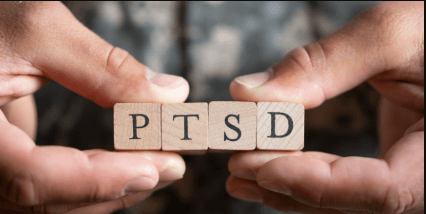
Living with post-traumatic stress disorder can feel like being trapped in a moment that refuses to end. The flashbacks arrive without warning. Sleep becomes a battlefield. Relationships strain under the weight of emotions that seem impossible to explain. For many people struggling with these challenges, the path forward feels unclear – but it does not have to stay that way.
Modern PTSD treatment approaches offer real hope for those ready to begin their healing journey. Whether trauma stems from military service, childhood experiences, accidents, abuse, or other painful events, evidence-based therapies and supportive care can help reduce symptoms and restore a sense of safety. Recovery takes time, but with the right support, many individuals find meaningful relief and rebuild their lives in ways they once thought impossible.
Recognizing When Trauma Needs Professional Support
Trauma affects everyone differently. Some people recover naturally over weeks or months, while others carry the weight of their experiences for years. When symptoms persist and begin interfering with daily life, professional intervention often becomes necessary.
Common signs that trauma may require structured treatment include recurring nightmares or intrusive memories that disrupt sleep and concentration. You might notice yourself avoiding places, people, or situations that remind you of what happened. Emotional numbness can set in, making it difficult to connect with loved ones or enjoy activities that once brought happiness.
Physical symptoms also deserve attention. Hypervigilance – that constant feeling of being on edge – exhausts the body and mind. Startling easily at unexpected sounds, struggling with anger or irritability, and experiencing panic attacks are all signals that your nervous system remains stuck in survival mode. Recognizing these patterns is the first step toward finding relief.
How Therapy Approaches Address Traumatic Stress
Several therapeutic methods have shown consistent effectiveness in helping individuals process trauma and reduce PTSD symptoms. Each approach works differently, and what helps one person may not be the best fit for another. Working with a qualified mental health professional allows you to find the method that aligns with your needs and comfort level.
Cognitive Behavioral Therapy, often called CBT, focuses on identifying and changing thought patterns that contribute to distress. Through this approach, you learn to recognize unhelpful beliefs formed during or after trauma and replace them with more balanced perspectives. CBT provides practical tools for managing anxiety and reducing avoidance behaviors that often develop as coping mechanisms.
Prolonged Exposure therapy takes a gradual approach to confronting trauma-related memories and situations. Under careful guidance, you slowly face the things you have been avoiding, which helps reduce their power over time. This method can feel challenging, but many people report significant relief after completing treatment.
Eye Movement Desensitization and Reprocessing, known as EMDR, uses bilateral stimulation – typically eye movements – while you recall traumatic memories. This process appears to help the brain reprocess difficult experiences, reducing their emotional intensity. Research supports EMDR as an effective option for many trauma survivors.
The Role of Medication in Managing Symptoms
For some individuals, medication serves as a helpful addition to therapy. Certain antidepressants may reduce symptoms like intrusive thoughts, emotional numbness, and sleep disturbances. These medications do not erase traumatic memories, but they can make symptoms more manageable while you work through therapy.
Medication decisions should always involve careful discussion with a healthcare provider who understands your complete health picture. Some people benefit from short-term use during intense treatment phases, while others find longer-term medication support helpful. There is no single right answer – only what works best for your unique situation.
It is also worth noting that medication alone rarely resolves PTSD. The most effective treatment plans typically combine medication with therapeutic approaches that address the underlying trauma directly. This combination often produces better outcomes than either approach used in isolation.
Building Coping Skills for Daily Life
Recovery extends beyond formal treatment sessions. Learning to manage symptoms in everyday situations empowers you to handle triggers and difficult moments with greater confidence. These skills become tools you carry with you, providing stability even during challenging times.
Grounding techniques help bring you back to the present when flashbacks or dissociation occur. Simple practices like focusing on physical sensations – your feet on the floor, the texture of an object in your hand – can interrupt the cycle of traumatic re-experiencing. Breathing exercises calm the nervous system and reduce the physical symptoms of anxiety and panic.
Creating routines provides structure and predictability, which trauma often disrupts. Regular sleep schedules, consistent meal times, and planned activities help your brain recognize safety in daily patterns. Small steps toward normalcy compound over time, rebuilding the sense of control that trauma takes away.
Physical activity also plays an important role for many people. Exercise releases tension stored in the body and produces natural mood-regulating chemicals. Even gentle movement like walking or stretching can make a noticeable difference in how you feel day to day.
Trauma-Informed Care and Why It Matters
The environment in which treatment occurs significantly affects healing. Trauma-informed care recognizes that safety, trust, and collaboration must form the foundation of any therapeutic relationship. Providers who practice this approach understand how trauma affects the brain and body, adjusting their methods accordingly.
In trauma-informed settings, you maintain control over the pace and direction of treatment. Your experiences are validated without judgment, and your autonomy is respected throughout the process. This differs from traditional medical models that may unintentionally recreate feelings of powerlessness.
Finding providers who genuinely practice trauma-informed care can transform the treatment experience. When you feel safe and respected, you are more likely to engage fully in the healing process and achieve lasting results.
Supporting Family Members and Loved Ones
PTSD affects entire family systems, not just the individual with the diagnosis. Partners, children, parents, and close friends often struggle to understand what their loved one is going through. They may feel helpless, frustrated, or uncertain about how to provide support without making things worse.
Education helps families understand that PTSD symptoms are not personal choices or character flaws. Learning about the condition reduces blame and opens space for compassion. Family therapy can improve communication, rebuild trust, and help everyone develop healthier ways of relating to one another.
Support networks also need their own care. Caring for someone with PTSD can be emotionally draining, and burnout is common among family members who neglect their own wellbeing. Encouraging loved ones to seek their own support – whether through therapy, support groups, or simply time for themselves – strengthens the entire system.
See also: High-Performance Dedicated Servers for Growing Online Businesses
Addressing Co-Occurring Challenges
PTSD rarely exists in isolation. Many individuals also struggle with depression, anxiety disorders, or substance use issues that developed as ways of coping with trauma. Effective treatment addresses these interconnected challenges together rather than treating each condition separately.
Self-medication through alcohol or drugs provides temporary relief but ultimately worsens PTSD symptoms and creates additional problems. Recovery programs that understand the relationship between trauma and addiction offer integrated approaches that address both concerns simultaneously. This dual focus often produces more sustainable outcomes than treating either issue alone.
Depression commonly accompanies PTSD, amplifying feelings of hopelessness and making it harder to engage in treatment. Recognizing depression as part of the trauma response – rather than a separate weakness – helps remove shame and encourages people to seek appropriate support.
Long-Term Recovery and Building a Meaningful Life
Healing from trauma is not about forgetting what happened or pretending it did not affect you. Instead, recovery involves integrating difficult experiences into your life story in ways that no longer control your present. The memories remain, but their grip loosens. You become more than what happened to you.
Many trauma survivors find that recovery opens unexpected doors. Some discover new purposes, using their experiences to help others facing similar challenges. Relationships deepen as emotional availability increases. Goals that once seemed impossible become achievable as symptoms decrease and confidence grows.
Maintaining progress requires ongoing attention to mental wellness. Continuing therapy during stable periods, practicing learned coping skills, and building strong support networks all contribute to lasting recovery. Setbacks may occur, but they do not erase progress. Each challenge overcome adds to your resilience.
Taking the First Step Toward Healing
Beginning treatment can feel overwhelming, especially when trauma has taught you that vulnerability leads to pain. However, reaching out for support represents an act of courage and self-preservation. You deserve to feel safe, connected, and present in your own life.
Resources exist for every situation and budget. Community mental health centers, veteran services, nonprofit organizations, and private practices all offer trauma treatment options. Telehealth has expanded access for those who face barriers to in-person care. The right support is available – finding it simply requires taking that first step.
If you or someone you care about is struggling with the effects of trauma, know that recovery is possible. Organizations like Palo Alto Mental Health provide compassionate, evidence-based support for individuals seeking to heal from PTSD and related challenges. Reaching out may feel difficult, but it opens the door to a life no longer defined by past pain. Your healing journey can begin today.