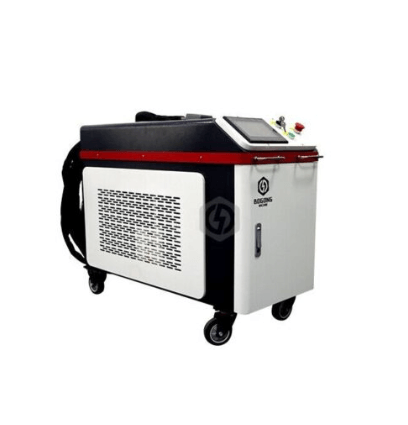
Every manufacturing or maintenance operation eventually reaches a point where the true cost of an old cleaning process becomes impossible to ignore. Abrasive media keeps needing to be reordered, chemical solvents require special disposal handling and safety equipment, and skilled labor hours disappear into manual scraping and scrubbing that could be spent on more productive work. This is usually the point where a pulse laser cleaning machine starts to look less like a novelty and more like an obvious operational upgrade. Making the switch, however, is a significant capital decision, and understanding how to evaluate the real return on investment , not just the upfront purchase price , is what separates a smart equipment purchase from an expensive mistake sitting unused in a corner of the workshop.
Building the Real Cost Comparison
The sticker price of a pulse laser cleaning machine can look intimidating next to a bag of sandblasting media or a drum of chemical stripper, but that comparison misses almost everything that actually matters over the equipment’s working lifespan. Traditional cleaning methods carry ongoing, recurring costs that compound month after month: abrasive media must be continually repurchased, chemical solvents need replacement and careful disposal, and both methods typically require more labor hours per square meter of surface cleaned than a laser system operating at full speed.
A pulse laser cleaning machine, by contrast, has almost no consumable costs beyond routine maintenance and occasional replacement parts. There is no media to buy, no chemical waste stream to manage, and because the cleaning process itself moves dramatically faster than manual or abrasive methods, the labor cost per job typically drops substantially as well. When these ongoing savings are projected across months and years of operation, the higher initial purchase price of a laser system is frequently recovered faster than buyers expect, particularly in operations running frequent, repetitive cleaning cycles.
| Cost Category | Traditional Sandblasting/Chemical | Pulse Laser Cleaning Machine |
| Upfront equipment cost | Lower | Higher |
| Ongoing consumables | High, recurring | Minimal |
| Labor time per job | Higher | Significantly lower |
| Waste disposal cost | Ongoing, often regulated | Minimal, no chemical waste |
| Surface wear on substrate | Present with abrasive methods | Essentially none |
| Long-term operating cost | Higher over time | Lower over time |
Questions to Ask Before Buying
Choosing the right pulse laser cleaning machine involves more than comparing wattage numbers on a spec sheet. A handful of practical questions can save buyers from an expensive mismatch between equipment capability and actual shop-floor needs.
What is the typical thickness and type of contamination being removed? Light surface rust and oil residue can generally be handled effectively by lower-power, air-cooled systems, while thick, heavily corroded rust layers or dense industrial coatings usually demand the higher sustained power output that only a water-cooled system can deliver reliably.
How much continuous operation is required per shift? Air-cooled systems are excellent for intermittent, on-site maintenance work where the machine runs in shorter bursts throughout the day. Operations that need to run a laser cleaning system for hours of continuous production work generally benefit from a water-cooled system, which is engineered to sustain high output without the thermal limitations that can affect air-cooled units under prolonged heavy use.
Does the equipment need to be portable? Field maintenance teams working across multiple sites , shipyards, construction sites, or scattered industrial facilities , usually prioritize lightweight, self-contained, air-cooled units that can be transported easily without requiring an external chiller setup. Fixed production-line installations, on the other hand, can accommodate the larger footprint of a water-cooled system without portability being a meaningful concern.
What certifications does the intended market require? Buyers planning to export equipment or operate in regions with strict safety and compliance standards should confirm that any pulse laser cleaning machine under consideration meets the relevant certification requirements for their target market before finalizing a purchase, since retrofitting compliance after the fact is far more costly than confirming it upfront.
Evaluating Suppliers, Not Just Specifications
Because a pulse laser cleaning machine represents a long-term capital investment, the supplier relationship matters almost as much as the equipment specifications themselves. A manufacturer with a genuine track record in laser cleaning technology, rather than a general equipment reseller, typically offers more reliable technical support, more accurate guidance on matching power tier to application, and a clearer path to replacement parts or servicing when the equipment eventually needs maintenance.
It is worth asking any potential supplier directly about after-sales technical support, warranty terms, and whether they offer training for operators who may be new to laser cleaning technology. A supplier confident in their equipment’s reliability will typically be transparent about these details upfront rather than deflecting the conversation back toward the sale itself.
Calculating Payback Period for Your Operation
For buyers trying to build an internal business case for purchasing a pulse laser cleaning machine, calculating an estimated payback period is one of the most persuasive exercises available. This calculation generally starts with tallying current annual spending on abrasive media, chemical solvents, waste disposal fees, and the labor hours dedicated specifically to manual or abrasive cleaning tasks. That total annual operating cost is then compared against the purchase price of an appropriately sized laser system, along with its much lower projected annual operating costs.
Operations with frequent, high-volume cleaning needs , such as automotive parts manufacturers or shipyards handling continuous rust removal , often find that a laser system pays for itself within a relatively short window once labor savings and eliminated consumable costs are properly accounted for. Even operations with more moderate cleaning volumes frequently find the investment justified once the reduced regulatory burden around chemical waste disposal and the improved workplace safety profile are factored into the broader calculation, since these benefits extend well beyond simple dollar-for-dollar operating cost comparisons.
Considering Workplace Safety and Environmental Compliance
Beyond the direct cost comparison, a pulse laser cleaning machine offers meaningful advantages in workplace safety and regulatory compliance that are easy to underestimate during an initial budget review. Traditional sandblasting generates significant airborne dust that requires proper containment and respiratory protection for operators, while chemical stripping introduces solvent exposure risks that demand careful handling procedures and protective equipment. Laser cleaning, being a non-contact process with integrated smoke extraction on most modern systems, substantially reduces these occupational health considerations, which can translate into lower insurance costs and reduced regulatory compliance burden over time , benefits that rarely show up in a simple equipment price comparison but genuinely affect the total cost of ownership.
Financing and Ownership Options
For operations hesitant about committing significant capital upfront, it is worth noting that many equipment suppliers and third-party financing partners now offer leasing or installment payment structures for industrial laser equipment, similar to financing arrangements common for other major manufacturing equipment purchases. This can make sense for smaller operations that want to start realizing the operational savings of a pulse laser cleaning machine without tying up a large amount of working capital in a single upfront purchase. Even under a financing arrangement, the same cost comparison framework applies , the monthly payment simply needs to be weighed against the ongoing savings in consumables, labor, and waste disposal that the equipment delivers, and in many cases the monthly savings comfortably exceed the financing payment itself once the system is in regular use.
Making the Final Decision
Ultimately, choosing to invest in a pulse laser cleaning machine comes down to honestly comparing the full lifecycle cost against current cleaning methods, asking the right technical questions to match equipment capability to actual operational needs, and selecting a supplier who can provide genuine ongoing support rather than just a one-time sale. Buyers who take the time to work through this full evaluation process , rather than making a decision based on upfront price alone , consistently end up with equipment that fits their operation correctly and delivers the operational savings that justified the purchase in the first place.
Reviewing a detailed pulse laser cleaning machine lineup before making a final decision allows buyers to compare power tiers, cooling methods, and certification options side by side, which makes it far easier to match a specific model to the operational requirements and budget constraints identified during this evaluation process. For operations still building their internal cost justification, working through a pulse laser cleaning machine comparison alongside current cleaning expenses is one of the clearest ways to see exactly where the long-term savings will come from.