Picking the right basketball can make a noticeable difference to how the game feels. The surface, level of play and frequency of use all affect which ball will perform best over time. While many players focus on shoes or rings, the basketball itself has a direct impact on grip, control and consistency. For players comparing different types of Basketballs, it helps to understand how materials and court surfaces work together.
Why court type matters
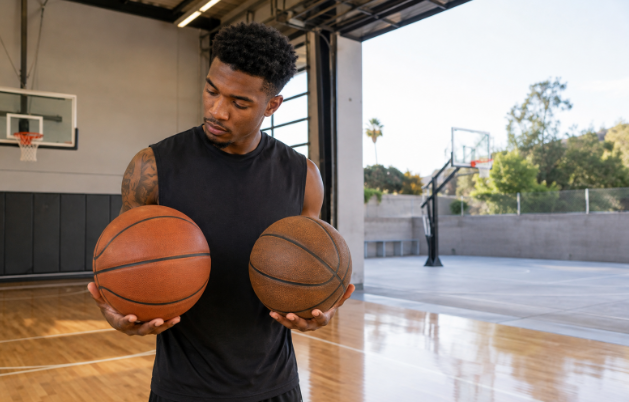
Indoor and outdoor courts create very different playing conditions. Indoor courts are smoother and place less stress on the outer cover of the ball. Outdoor surfaces such as concrete, asphalt or bitumen are rougher and wear down softer materials more quickly.
Using the wrong basketball on the wrong surface can reduce its lifespan and affect bounce and handling. That is why court type should be one of the first things considered before buying.
See also: Best Lifestyle Tips After 100-Unit Wrinkle Care Sessions
Indoor basketballs and performance
Indoor basketballs are usually made with softer composite or genuine leather covers. These materials are designed to provide better grip and a more responsive feel on polished timber courts. They are often preferred for organised training, competitive play and stadium use.
Because they are made for smoother surfaces, indoor balls are less suited to outdoor conditions. Repeated use outside can damage the cover and reduce the quality of play.
Outdoor basketballs and durability
Outdoor basketballs are built to handle harsher surfaces. They typically use rubber or durable composite materials that can better resist abrasion. This makes them a practical choice for school courts, driveways and local parks.
Although they may not feel as soft as premium indoor models, they are often the better long-term option for casual and regular outdoor play.
Size and age group considerations
Choosing the right size is just as important as choosing the right material. Size 7 is the standard for most adult men’s play, while size 6 is commonly used in women’s and junior competitions. Younger children often benefit from smaller sizes that better suit hand strength and coordination.
A ball that matches the player’s age and ability can support skill development more effectively.
Grip, bounce and maintenance
Grip and bounce tend to change over time, especially if a ball is overinflated or stored poorly. Keeping the ball inflated to the recommended level and storing it away from heat can help maintain its shape and performance.
A well-chosen basketball should suit both the player and the surface. When those two factors align, training and match play tend to feel far more consistent.