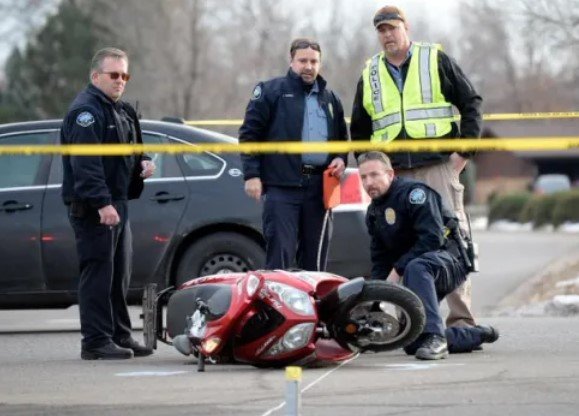
Scooter Accidents in Colorado: Regulatory Framework, Operator Liability, and What Injured Riders Need to Know

Electric scooters have become a fixture of urban mobility in Denver, Boulder, Fort Collins, and other Colorado Front Range communities, and the crashes they produce, whether involving shared e-scooters from operators like Lime or Bird or privately owned scooters, create legal questions that are more complex than they initially appear. The regulatory framework governing scooter operation in Colorado involves both state vehicle law and individual municipality rules. The waiver that riders agree to when activating a shared scooter has legal limitations that operators do not disclose. And the insurance coverage available to an injured scooter rider is often far less clear than the coverage available to a car accident victim. Understanding each of these dimensions is the foundation for pursuing a scooter accident claim in Colorado.
Colorado’s Scooter Regulatory Framework
Colorado Revised Statute Section 42-4-109 governs low-power scooters on Colorado roads, and municipalities have layered their own rules on top of the state framework. In Denver, for example, shared e-scooters are regulated under an operating permit system that establishes where scooters can be ridden, where they can be parked, and what speed limits apply in specific zones. A scooter rider operating in a pedestrian zone at excessive speed, or a scooter left blocking a ramp, creates liability questions that turn on the specific municipal rules in effect at the location and time of the incident.
The Shared Scooter Operator’s Potential Liability
Companies that deploy shared electric scooters on Colorado streets have duties related to the maintenance and safety of their equipment. A scooter with a defective brake, a battery management system that fails unexpectedly, or handlebars that detach under normal riding conditions is a defective product whose manufacturer and deployer face product liability exposure. The waiver that riders click through when activating a shared scooter does not eliminate product liability claims for defective equipment, nor does it release the operator from liability for negligent maintenance that would have been discovered through reasonable inspection.
The Injury Profile and the Insurance Gap
Scooter riders sustain a specific injury pattern from crashes: head injuries from falls without helmet use, wrist and forearm fractures from outstretched-hand landings, road rash from slide-out crashes, and in vehicle-versus-scooter crashes, the full range of pedestrian-equivalent injuries from the mass differential between a vehicle and a scooter rider. The insurance coverage available to an injured scooter rider depends on whether the crash involved a vehicle, whether the rider carries their own health or auto insurance with applicable MedPay, and whether a shared scooter operator’s liability coverage applies to the specific incident.
Colorado’s 50 percent comparative fault bar applies to scooter crashes as it does to all Colorado personal injury claims, and the fault arguments most commonly raised against scooter riders include riding in a lane where scooters are not permitted, failing to yield at intersections, and operating without a helmet in ways the defense argues constituted contributory negligence. The Colorado Department of Transportation’s micromobility resources document the regulatory framework applicable to scooters on Colorado roads. Experienced scooter accident injury attorneys identify every applicable liability theory and coverage source from the first day of representation.