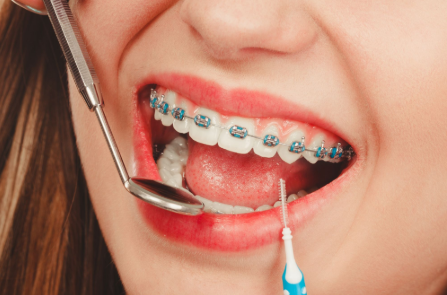
Braces feel like a big step. Even when someone has thought about it for years, the first appointment still brings a mix of nerves and curiosity.
Most people asking about Thornton braces really want to know one thing: what are those first few months actually like?
Here’s what tends to happen in the first 90 days, without sugar-coating it.
The First Week: Tight, Tender, and a Little Awkward
The day of starting braces treatment is usually smooth. The brackets go on. Wires are placed. Instructions are given. Then you leave feeling… fine.
The next morning? Different story.
Teeth feel tender. Not sharp pain. More like pressure. Biting into something firm suddenly feels like a bad idea. Soft foods become your best friend for a few days. Yogurt, pasta, eggs. That kind of thing.
Speech might feel slightly off at first. Lips and cheeks need time to adjust to the brackets. For braces for kids, parents usually notice the irritation faster than the child does. A little orthodontic wax solves most rubbing issues.
By the end of week two, it already feels more normal.
Weeks 3–6: Finding a Rhythm
This is when daily routines settle in. Brushing takes longer. Flossing feels complicated. Dental hygiene with braces becomes a skill, not just a habit.
Expect to carry a toothbrush more often. Food gets stuck. It just does. That doesn’t mean something’s wrong. It means adjustments are happening.
The first follow-up visit usually happens around this time. Wires may be changed. Things tighten slightly again. The pattern repeats: pressure for a few days, then comfort returns.
For teen braces, this stage can be more about mindset than discomfort. School lunches change. Snacking habits shift. It’s a small lifestyle reset.
Month Two: Visible Changes Start
Around the second month, subtle shifts appear. Gaps look smaller. Crowded teeth begin lining up.
This is the part people don’t expect. Teeth can move surprisingly fast early on. That momentum feels encouraging.
It’s also when braces care tips matter most. Skipping brushing shows up quickly. Plaque builds around brackets. Stains can form if hygiene slips.
For adult braces patients, this phase often brings relief. The initial awkwardness fades. Conversations feel normal again. Most co-workers don’t comment after the first week.
Month Three: Settling into the Process
By the end of the first 90 days with braces, they feel less like a big deal and more like part of daily life.
Adjustments continue. Elastics might be added if bite correction is needed. Some soreness returns after appointments, but it’s manageable.
This stage also sets the tone for long-term success. Family orthodontic care isn’t just about straight teeth. It’s about consistency. Showing up to appointments. Following instructions. Keeping brackets intact.
Broken brackets usually happen because of hard or sticky foods. Popcorn, caramel, chewing ice. They win almost every time.
See also: 7 Productivity Frameworks Ivy League Students Use to Manage Heavy Courseload
Differences Between Kids, Teens, and Adults
Braces for kids often focus on guiding growth. Teens usually handle full alignment. Adults sometimes need a mix of alignment and bite correction.
But the early experience feels similar across ages. Tenderness. Adjustments. Gradual improvement.
The biggest difference is lifestyle. Adults worry about meetings. Teens worry about photos. Kids mostly worry about what they can eat.
What Most People Don’t Expect
The first three months go by quickly.
The anxiety before starting braces treatment tends to be worse than the actual experience. The body adapts. Routine’s form. Confidence builds little by little.
Thornton braces aren’t about instant transformation. They’re about steady progress. Ninety days in, the journey feels less overwhelming. It feels doable.
And once it feels doable, everything else gets easier.