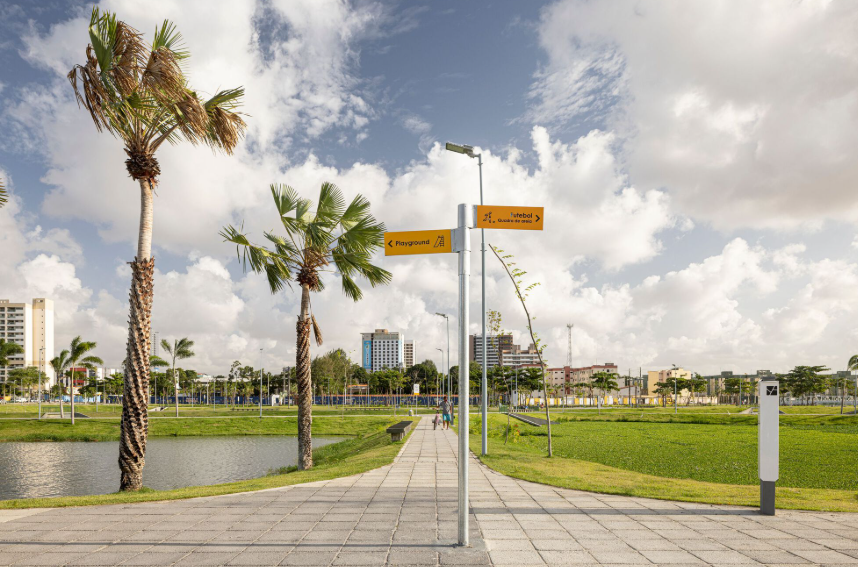
Los Angeles is a city of scale, diversity, and constant motion. From sprawling hospital campuses and world-class museums to mixed-use developments and transit hubs, navigating LA’s built environment can be overwhelming. This is where a wayfinding designer in Los Angeles plays a critical role. Wayfinding design goes far beyond signage—it is about creating intuitive, human-centered navigation systems that help people move confidently through spaces.
What Does a Wayfinding Designer Do?
A wayfinding designer combines graphic design, environmental design, architecture, and user psychology to guide people through physical spaces. Their work includes signage systems, spatial planning, visual cues, and digital integrations that collectively improve orientation and navigation.
In Los Angeles, where environments range from dense urban cores to expansive outdoor campuses, wayfinding designers must account for scale, cultural diversity, accessibility requirements, and local regulations. The goal is always the same: reduce confusion, improve user experience, and create spaces that feel welcoming and easy to understand.
Why Wayfinding Matters in Los Angeles
Los Angeles is not a compact city. Destinations often cover large areas, parking structures can be complex, and public transportation systems intersect with pedestrian and vehicle traffic. Poor wayfinding can lead to frustration, missed appointments, safety issues, and negative brand perception.
A professional wayfinding designer Los Angeles understands how people move through these environments and designs systems that feel natural. Clear wayfinding helps hospitals run more efficiently, retail centers increase foot traffic, universities support new students, and cultural institutions enhance visitor engagement.
See also: Maximizing Daylight in Homes with Shallow Roof Skylights
Key Elements of Effective Wayfinding Design
Wayfinding design is a strategic process, not just a visual one. Successful systems usually include:
- Research and user analysis: Understanding how different users navigate a space, including first-time visitors, staff, and people with disabilities.
- Spatial organization: Aligning circulation paths, landmarks, and architectural features with navigational goals.
- Clear messaging hierarchy: Prioritizing information so users see what they need, when they need it.
- Consistent visual language: Using typography, color, icons, and materials that align with the brand and environment.
- Accessibility and compliance: Meeting ADA requirements and ensuring readability for all users.
In Los Angeles, these elements must also respond to climate, lighting conditions, multilingual audiences, and outdoor-indoor transitions.
Industries That Rely on Wayfinding Designers in LA
Many sectors benefit from working with an experienced wayfinding designer in Los Angeles:
- Healthcare: Hospitals and medical campuses require stress-reducing navigation that supports patients, families, and staff.
- Education: Universities, colleges, and schools need scalable systems for large campuses and evolving facilities.
- Commercial and mixed-use developments: Wayfinding helps connect retail, offices, residential spaces, and parking areas.
- Transportation: Airports, metro stations, and transit centers depend on clear, intuitive guidance for high-volume users.
- Cultural and civic spaces: Museums, libraries, and public buildings rely on wayfinding to enhance visitor experience.
The Value of Local Expertise
Hiring a wayfinding designer Los Angeles brings the advantage of local knowledge. Designers familiar with LA understand permitting processes, fabrication partners, climate considerations, and the expectations of local audiences. They can also collaborate effectively with architects, developers, and city agencies to ensure smooth project execution.
Local designers are better equipped to reflect the character of Los Angeles neighborhoods while maintaining consistency and clarity across large developments.
Wayfinding as a Brand Experience
Modern wayfinding is also a powerful branding tool. Thoughtfully designed navigation systems reinforce identity, tone, and values. In a competitive market like Los Angeles, wayfinding can differentiate a property, improve tenant satisfaction, and leave a lasting impression on visitors.
Rather than being an afterthought, wayfinding design should be integrated early in the project lifecycle. This approach saves time, reduces costly revisions, and results in more cohesive environments.
Conclusion
A professional wayfinding designer Los Angeles helps transform complex spaces into intuitive experiences. By blending strategy, design, and local insight, wayfinding designers make environments easier to navigate, more inclusive, and more memorable. In a city as dynamic as Los Angeles, effective wayfinding is not a luxury—it’s a necessity.