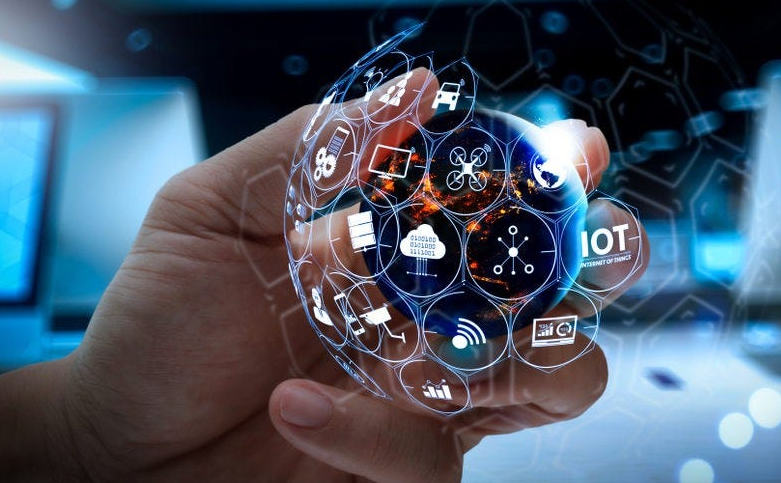
Technology is no longer a separate skill set reserved for engineers, developers, or IT departments. It has become a fundamental layer of modern life. From how we communicate and learn to how businesses operate and governments deliver services, technology is woven into everyday decisions. As we move further into the future, the ability to work with technology and understand it, even at a practical level, is becoming less of an advantage and more of a necessity.
This does not mean everyone needs to know how to code or design systems from scratch. What it does mean is that people need enough familiarity to make informed choices, ask better questions, and adapt as tools and platforms change. Those who understand technology tend to feel more in control of it. Those who do not often feel as though it is happening to them rather than working for them.
Technology Literacy Is About Confidence, Not Expertise
One of the biggest misconceptions about technology is that understanding it requires deep technical expertise. In reality, most of what people need is literacy rather than mastery. Technology literacy is the ability to understand how tools fit into workflows, what problems they are designed to solve, and where their limitations are.
When people lack this understanding, they often rely entirely on others to make decisions for them. This can create risk. Poor technology decisions are rarely caused by bad intentions. A lack of clarity usually causes them. Teams adopt tools they do not fully understand. Processes are shaped by software defaults instead of thoughtful design. Over time, this leads to inefficiency and frustration.
By contrast, people who are comfortable working with technology tend to approach it with curiosity rather than fear. They are more willing to experiment, more capable of spotting misalignment, and better equipped to adapt when systems change.
Adapting to Constant Change
One of the defining features of modern technology is how quickly it evolves. Tools that feel essential today may be obsolete in a few years. New platforms emerge. Interfaces change. Automation expands into areas that were once entirely manual. In this environment, the most valuable skill is not knowledge of a specific tool, but the ability to learn new ones.
Understanding technology at a foundational level makes this adaptation easier. When people grasp basic concepts, such as data flow, automation, or system integration, new tools feel like variations on familiar ideas rather than completely foreign territory. This reduces the learning curve and makes change less disruptive.
Organizations benefit from this adaptability as well. Teams that understand the technology they use are better positioned to evaluate new solutions, retire outdated ones, and respond to shifts in the market without panic.
Technology and Decision Making
Technology increasingly influences decisions, often through dashboards, algorithms, and automated recommendations. While these tools can provide valuable insight, they also introduce new challenges. Data can be misunderstood. Outputs can be taken at face value without context. Automated systems can reinforce assumptions that no one questions.
Understanding how technology works helps people interpret information more critically. It encourages them to ask where data comes from, how it is processed, and what might be missing. This does not require advanced technical knowledge, but it does require awareness.
As technology plays a larger role in decision-making, the ability to work with it thoughtfully becomes a form of judgment. Those who understand the tools are better able to balance efficiency with nuance.
What Is ITIL
In discussions about working effectively with technology, frameworks are often mentioned as a way to bring structure and shared understanding. One such framework is ITIL. What is ITIL in simple terms? ITIL, which stands for Information Technology Infrastructure Library, is a framework that outlines best practices for managing IT services in a way that supports business and user needs.
The reason ITIL remains relevant is not because it prescribes rigid processes, but because it emphasizes alignment. It encourages organizations to understand how technology creates value, how services are delivered, and how they can be improved over time. While ITIL is primarily used in IT service management, its underlying philosophy reflects a broader truth. Technology works best when people understand it well enough to shape it intentionally.
See also: Enhancing Metal Fabrication with Modern Positioning Technology
The Human Side of Technology
As technology becomes more powerful, the human element becomes more important, not less. Tools can automate tasks, but they cannot replace judgment, creativity, or empathy. Understanding technology helps people decide where automation makes sense and where human involvement remains essential.
This balance is especially important in areas like artificial intelligence and data analytics. These tools can process information at scale, but they rely on humans to define goals, interpret results, and account for ethical considerations. Without understanding how these systems operate, people may overtrust them or misuse them without realizing it.
Working with technology, rather than around it, allows people to maintain agency. It keeps technology in a supporting role instead of allowing it to quietly dictate outcomes.
Career Resilience in a Digital World
From a career perspective, technology literacy is increasingly tied to resilience. Jobs evolve. Roles blend. New positions emerge while others disappear. People who understand technology are better positioned to navigate these shifts because they can transfer their skills across contexts.
This does not mean chasing every new trend. It means developing a comfort level with digital tools, systems, and concepts that apply broadly. Communication platforms, data analysis tools, automation software, and cloud services are now part of many roles, even outside traditional tech fields.
Those who can work confidently with these tools are more likely to stay relevant and less likely to feel displaced as industries change.
Preparing for the Future We Are Already In
The future is not a distant concept. It is unfolding now, shaped by decisions made every day about how technology is adopted and used. Understanding technology is not about predicting every innovation. It is about being prepared to engage with change rather than resist it.
When people understand the tools they use, they make better choices. They waste less time. They experience less frustration. Most importantly, they retain a sense of control in an increasingly digital world.
As technology continues to influence how we live and work, the ability to work with it and understand it becomes a form of empowerment. It allows individuals and organizations to move forward with intention, shaping the future instead of being shaped by it.