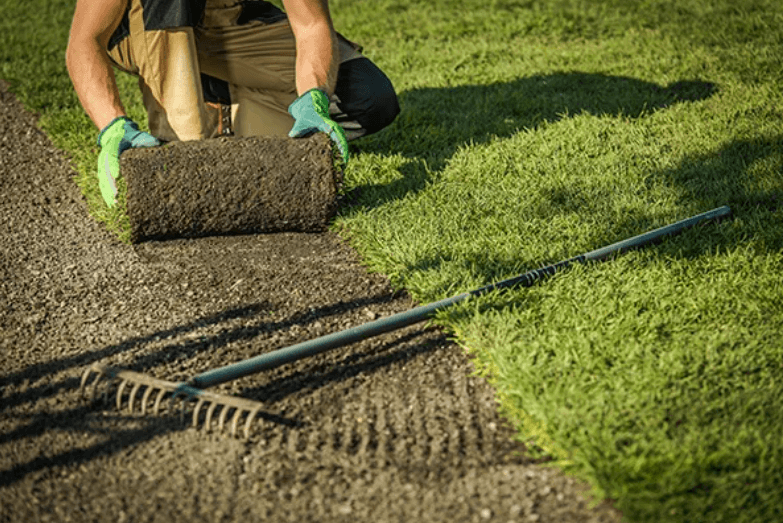
Laying a new lawn in Hervey Bay starts well before the first roll of turf arrives. The work you invest in preparing the ground determines whether your grass thrives or struggles through its first months. Skipping soil preparation is one of the most common reasons new lawns fail to establish properly, regardless of the variety chosen.
The subtropical climate in the Wide Bay region brings warm temperatures and reliable summer rainfall that can work in your favour — but only when the soil beneath your new lawn is structured correctly. Taking the time to assess your soil before laying saves considerable money and frustration over the weeks and months that follow.
Why soil structure matters more than you think
Grass roots need to penetrate freely, access nutrients, and drain excess moisture efficiently. When soil is compacted, structurally poor, or lacking in organic matter, even the highest quality turf will struggle to take hold. Roots hit resistance, water pools in low spots, and the lawn declines before it has had a real chance to establish.
Soil that has supported construction activity, heavy vehicles, or years of intensive foot traffic is almost always compacted well below the visible surface. Running a garden fork or a mechanical aerator through the entire area loosens that structure and creates pathways for roots, water, and air to move through the profile as the lawn establishes.
Choosing a trusted local supplier
Sourcing quality turf supplies Hervey Bay from a local provider means receiving fresher product that has spent minimal time in transit. Freshly harvested turf retains more moisture and recovers more quickly once laid, particularly during the warmer months when heat stress during the establishment window is a genuine concern for new lawns.
Before confirming your order, verify that the selected variety suits the sun and shade conditions of your lawn area. Some grasses demand full sun exposure to perform at their peak, while others tolerate periods of shade without losing vigour or colour. Matching variety to conditions from the outset avoids costly replacement further down the track.
Testing and amending your soil
A basic soil test from any garden centre reveals your pH, phosphorus content, and organic matter level. Most turf varieties establish best in soil with a pH between 6.0 and 7.0. If results fall outside this range, lime corrects acidity and sulphur addresses alkalinity, with both amendments needing several weeks to take effect after application.
Sandy soils in coastal areas like Hervey Bay drain freely but shed moisture and nutrients quickly, making consistent watering essential during the first weeks of establishment. Working well-composted organic matter through the top fifteen centimetres significantly improves water-holding capacity and introduces beneficial microbial activity that supports long-term root health.
Clay-heavy soils present the opposite challenge, retaining moisture too readily and becoming waterlogged after significant rainfall. Incorporating coarse sand and gypsum into clay improves both drainage and soil structure. For areas with very deep clay profiles, constructing raised sections using quality imported soil can provide the profile depth that turf roots genuinely need.
Levelling and grading the surface
An uneven surface creates persistent problems after laying. Low spots collect water and become prone to disease, while high ridges dry out faster and show stress during warm weather. Careful raking ensures that the turf rolls sit flat across the entire area and make consistent contact with the prepared soil surface beneath every section.
Grade the finished surface very gently away from the house — a slope of around one to two per cent is sufficient to direct water away from the foundation after heavy rain. This is particularly relevant in Hervey Bay, where summer downpours can be significant and adequate surface drainage protects both the lawn and surrounding structures.
Pre-wetting the soil the evening before your turf arrives ensures the roots make contact with moisture immediately on laying. Dry soil draws water from the turf slab and can cause edges to desiccate before roots have established. A thirty-minute sprinkler run the night before delivery is one of the simplest steps that noticeably improves outcomes.
See also: The Importance of Customer-Centric Business Models
Caring for the lawn once it is established
Avoid mowing until the turf has grown to at least twice its recommended height and the roots have anchored firmly enough to resist gentle pulling. Mowing too early can lift newly laid sections from the soil and set the establishment process back considerably. Patience through the first four to six weeks leads to a much stronger lawn.
Once the lawn is looking its best, your garden becomes an ideal space for outdoor entertaining. Those planning a celebration might explore festive additions like lolly wall hire to add a fun and memorable touch to garden gatherings — the kind of finishing detail that turns a well-kept outdoor space into a genuinely special venue.
Apply a slow-release starter fertiliser suited to your chosen turf variety once the grass has visibly greened up and begun active growth. Follow manufacturer directions carefully, as over-fertilising newly established turf can burn roots and stress the lawn more than it helps during this early and sensitive stage of development.
A properly prepared soil profile, a thoughtfully selected variety, and a consistent approach to early watering and care gives any new lawn in Hervey Bay the best possible start. The subtropical environment that makes summer establishment challenging also provides the warmth and moisture that allows a healthy, well-rooted lawn to thrive for many years.
Selecting a turf variety specifically bred for subtropical conditions reduces the ongoing maintenance demands placed on the homeowner. Warm-season grasses suited to Queensland’s climate are generally more drought-tolerant, recover faster from wear, and require less input to maintain a healthy appearance through the seasonal fluctuations that Hervey Bay lawns experience throughout the year.
Irrigation planning should ideally be considered during the soil preparation phase rather than as an afterthought once the lawn is established. In Hervey Bay’s warm climate, an in-ground irrigation system or a well-designed hose reel setup ensures that the watering requirements of the establishment phase can be met consistently without placing excessive demands on the homeowner’s time.
The effort invested in thorough soil preparation is repaid many times over through faster establishment, fewer disease and pest problems, and a lawn that holds its quality through the stresses of summer. Cutting corners at this stage typically leads to persistent problems that are far more difficult and expensive to address once the turf has been laid and the project is complete.