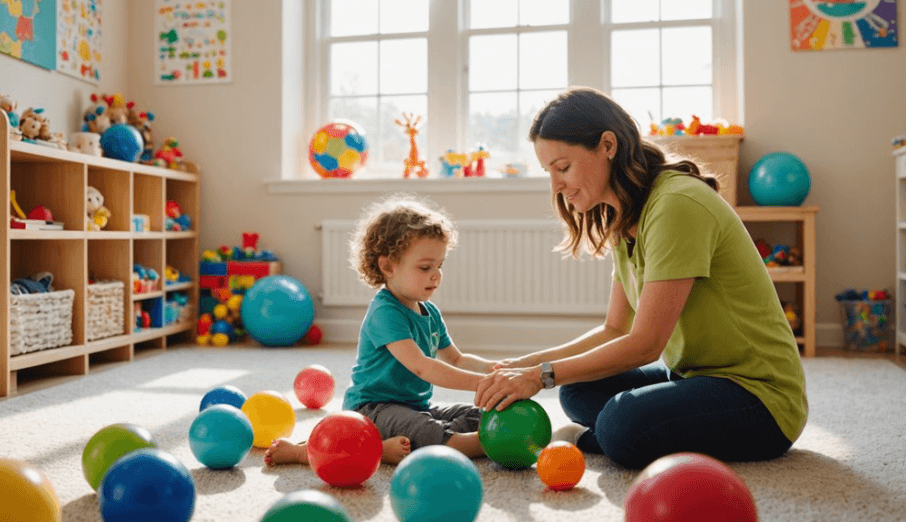
Children reach skills on different timelines, yet some gaps affect dressing, play, schoolwork, posture, and rest. Occupational therapy helps by examining how a child uses the body, processes sensation, and manages daily tasks. That clinical view guides practical goals linked to real routines. With steady practice, children can strengthen coordination, attention, and self-care abilities while families gain clearer ways to reduce strain during ordinary parts of the day.
Early Signs Matter
Parents, teachers, and pediatric clinicians often spot subtle concerns before a formal label appears. A child may avoid crayons, fumble fasteners, skip steps during routines, or tire quickly on the playground. Families seeking answers about developmental delays in children with cerebral palsy often notice similar patterns, because impaired muscle control can affect dressing, feeding, classroom work, and confidence across home and school settings.
What Occupational Therapy Targets
Occupational therapy centers on function during everyday life. For children, that includes eating, dressing, handwriting, climbing, attention, and joining play with peers. Sessions are built around tasks that carry meaning at home or in class. The aim is useful performance, not polished perfection. As control and endurance improve, children often manage more of the day with less physical effort and less frustration.
Fine Motor Growth
Fine motor treatment develops hand strength, finger isolation, and controlled grasp. Children may stack blocks, open containers, snip paper, or shape letters with guided feedback. Those actions rely on timing, shoulder stability, and wrist position. Therapists adjust each task so success stays realistic. Better precision often leads to smoother school participation and greater willingness to attempt grooming, utensils, and clothing fasteners.
Sensory Processing Support
Some children react sharply to noise, touch, motion, or fabric textures. Others seem to crave heavy movement and struggle to settle. Occupational therapists study those responses and build routines that regulate arousal. A session may include deep pressure, swinging, obstacle paths, or short quiet breaks. The goal is better sensory modulation, so the child can focus, rest, and take part in family and classroom activities.
Better Body Awareness
Body awareness lets children judge position, force, and movement without constant visual checking. When that sense is weak, pencils snap, steps look uncertain, and collisions happen often. Therapy can sharpen this internal feedback through climbing, pushing, carrying, and balancing tasks. As that map becomes clearer, movement usually looks safer, smoother, and less tiring during dressing, stairs, sports, and seated classroom work.
Planning and Sequencing
Motor planning allows a child to organize actions in the right order. Without that skill, familiar routines can feel confusing every single day. Shoes go on the wrong feet, art projects stall, and bags stay half packed. Therapists teach short action chains through repetition, visual cues, and guided practice. Over time, children learn to start tasks, adjust after errors, and finish with less prompting.
Feeding and Self-Care
Meals and hygiene ask for more coordination than many adults expect. A child must sit upright, manage textures, grade bite size, and move utensils with control. Toothbrushing and handwashing also depend on sequencing and posture. Occupational therapy breaks each routine into workable parts. That stepwise approach lowers stress for caregivers while giving children a clearer route to greater independence during daily care.
School Participation
Classroom success depends on body control as much as academics. Children need stable sitting, visual tracking, hand use, and sustained attention for books, worksheets, and group tasks. Occupational therapists often work with teachers to adjust seating, tools, or workload. A slant board, pencil grip, or planned movement break can improve performance. These changes help children stay involved without feeling separate from classmates.
Play Builds Progress
Play is the central occupation of childhood, so therapy uses it with clinical purpose. Games can build strength, turn-taking, sensory regulation, and problem solving at the same time. A tunnel course may train coordination, while pretend cooking can strengthen sequencing and social language. Because play feels natural, children usually practice longer. That repetition helps new skills carry over into home routines and classroom demands.
Family Coaching Counts
Therapy has greater value when strategies continue outside clinic visits. Families need guidance that fits real schedules, living spaces, and stress levels. A therapist may suggest simpler clothing, short hand games, or small changes to mealtime setup. Those ideas should feel practical. Once caregivers know why a task is difficult, they can respond with steadier structure, calmer pacing, and clearer expectations.
Conclusion
Occupational therapy helps children by turning hard daily tasks into smaller, teachable actions. It connects movement, sensory regulation, attention, and self-care within routines families already know. With guided practice and realistic goals, children can improve how they play, learn, eat, dress, and participate. Early gains may look modest, yet steady progress often leads to stronger independence, lower stress at home, and fuller involvement across childhood experiences.