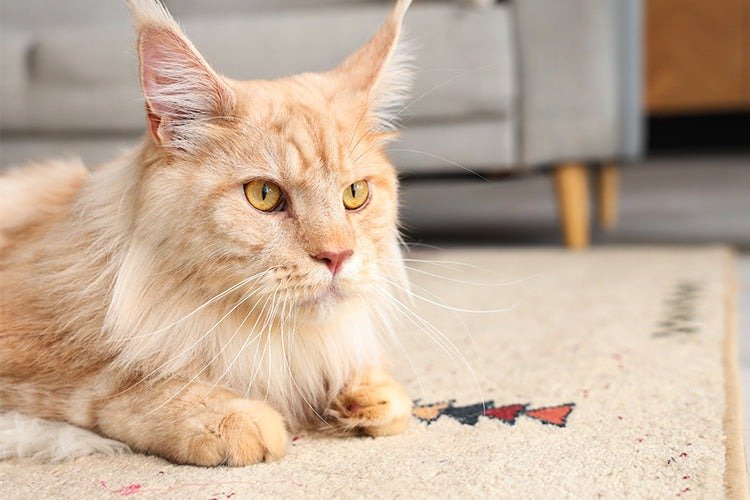
You’ve just brought home your magnificent Maine Coon, and within days, you notice something frustrating: litter scattered across the bathroom floor, mysterious wet spots near the box, or your cat awkwardly perching half-in, half-out while doing their business. If this sounds familiar, you’re not alone. Countless new Maine Coon owners discover the hard way that standard litter boxes simply weren’t designed for a cat that can weigh up to 25 pounds and stretch over 40 inches long.
The truth is, Maine Coons require a specialized litter box that accommodates their extraordinary size. When the box is too small, your cat experiences physical discomfort, develops avoidance behaviors, and creates hygiene problems that affect your entire household. This article explains exactly why litter box size is critical for your Maine Coon’s wellbeing and provides actionable solutions you can implement today. We’ll cover the importance of proper dimensions, why high-sided options make a significant difference, how to establish effective cleaning routines, and the comfort enhancements that keep your gentle giant happy and consistently using their box.
The Critical Role of Litter Box Size for Maine Coon Cats
When it comes to litter box size, Maine Coons exist in a completely different category from the average domestic cat. A typical house cat weighs between 8 and 10 pounds and measures around 18 inches in body length. Maine Coons, by contrast, routinely reach 15 to 25 pounds and can measure 30 to 40 inches from nose to tail tip. This dramatic size difference means that a standard litter box—usually around 18 inches long and 14 inches wide—forces your Maine Coon into an impossibly cramped space. Imagine trying to use a bathroom stall built for a child; that’s essentially what you’re asking your cat to do every single day.
The consequences of an undersized litter box extend far beyond simple inconvenience. Veterinary behaviorist Dr. Ilona Rodan notes that inappropriate elimination is among the top reasons cats are surrendered to shelters, and inadequate litter box size is a frequently overlooked contributing factor. When a Maine Coon can’t comfortably turn around, dig, and cover their waste, they adopt cramped postures that strain their joints and spine over time. More immediately, they begin associating the box with discomfort. This triggers avoidance behaviors—your cat may start eliminating beside the box, on soft surfaces like rugs or laundry, or in hidden corners of your home. Studies from the Journal of Feline Medicine and Surgery confirm that cats given appropriately sized boxes show a measurable preference for them and demonstrate fewer stress-related behaviors overall.
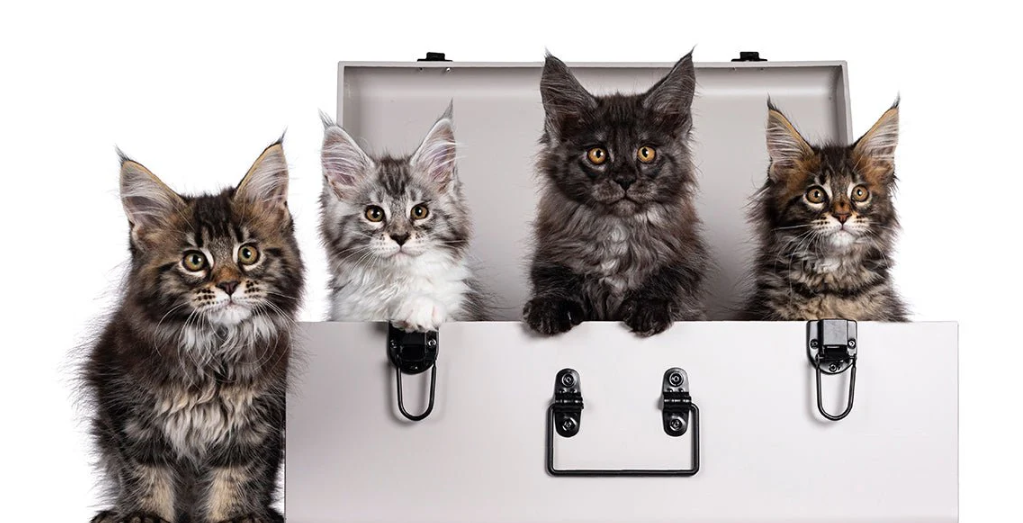
The behavioral and health benefits of providing adequate litter box size are substantial. A properly sized box allows your Maine Coon to enter fully, position themselves comfortably, and perform their natural digging and covering instincts without restriction. This reduces stress hormones, prevents urinary tract issues that can develop when cats “hold it” to avoid an uncomfortable box, and eliminates the frustrating cleanup of misdirected waste. For multi-cat households, an appropriately large box also reduces territorial tension since your Maine Coon won’t feel vulnerable while using a space that leaves them physically exposed.
To find the right litter box size for your specific cat, you need accurate measurements. With your Maine Coon standing naturally on all fours, measure from the tip of their nose to the base of their tail—not the tail tip, but where the tail meets the body. Your litter box should be at least 1.5 times this length. For width, measure your cat’s shoulder span and ensure the box is at least twice as wide. Most adult Maine Coons need a box that’s a minimum of 24 inches long and 18 inches wide, though many do best with boxes closer to 30 inches or longer. Take these measurements when your cat is fully grown, typically around 3 to 5 years of age, since Maine Coons mature more slowly than other breeds and may outgrow a box that seemed adequate at one year old.
See also: How Solar Batteries Help NSW Homeowners Save on Power Bills
Choosing the Right High-Sided Litter Box for Your Giant Cat
Once you’ve established that your Maine Coon needs a larger-than-average box, the next decision involves wall height—and this is where many owners underestimate their cat’s capabilities. A high-sided litter box transforms the experience for both you and your Maine Coon by addressing the messy realities of living with a powerful, large-framed cat. Maine Coons dig with enthusiasm, often kicking litter backward with surprising force. Their high urine stream—a natural consequence of their elevated squat position—frequently overshoots the walls of standard boxes. High sides, typically ranging from 8 to 12 inches, contain these messes effectively while still allowing your cat to move freely inside.
Introducing a new high-sided litter box requires patience, especially if your Maine Coon has grown accustomed to a different style. Place the new box next to the existing one for several days, allowing your cat to investigate and choose voluntarily. Add a small amount of used litter from the old box to transfer familiar scent. Most Maine Coons adapt within a week, particularly when the new box offers them noticeably more comfort. Avoid forcing the transition by removing the old box too quickly, as this can trigger the very avoidance behaviors you’re trying to prevent.
Benefits of High Sides for Maine Coons
The most immediate advantage of high sides is dramatically reduced litter tracking throughout your home. When your Maine Coon digs and covers with those large, tufted paws, standard 5-inch walls do virtually nothing to contain the spray of granules. High walls keep litter inside where it belongs, saving you from constant sweeping. Enhanced containment also means urine stays within the box rather than pooling on your floor—a common complaint among owners of male Maine Coons who tend to spray slightly higher. Beyond the practical benefits, high sides create a sense of enclosure that many Maine Coons find calming. The walls provide a visual barrier that reduces feelings of vulnerability during an inherently exposed moment, lowering stress levels and encouraging consistent box usage.
Key Features to Look for in a High-Sided Litter Box
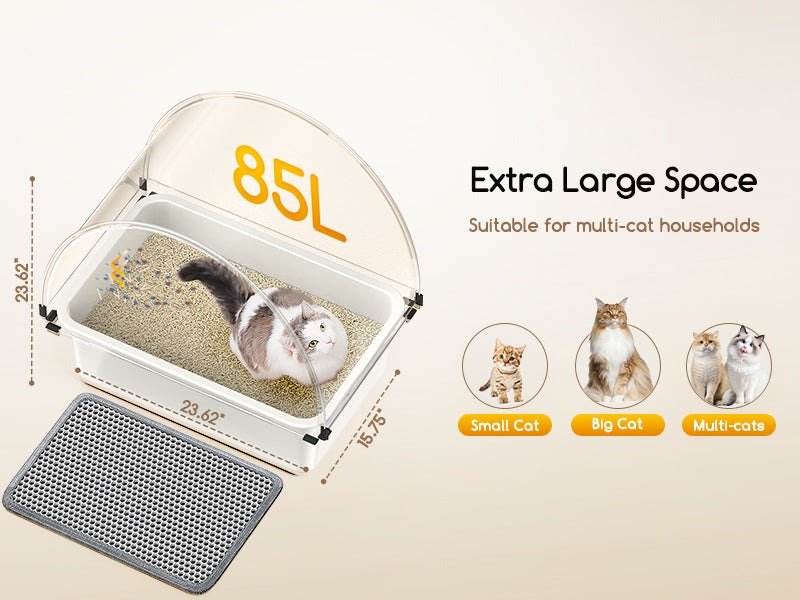
Start with minimum interior dimensions of 24 by 18 inches, though 30 by 20 inches better serves most adult Maine Coons. The entry point deserves careful attention: look for a box with at least one lowered side or a U-shaped cutout that sits around 5 to 6 inches high. This allows easy entry and exit without requiring your cat to leap over tall walls—particularly important for older Maine Coons or those with joint sensitivities. Material quality matters significantly because you’ll be scrubbing this box weekly for years. Choose thick, non-porous plastic that resists scratching, since scratched surfaces harbor bacteria and odors that no amount of cleaning can fully eliminate. Smooth interior surfaces also make scooping faster and prevent litter from caking in grooves or seams. Brands like Meowant offer large litter boxes for Maine Coon cats designed with these considerations in mind, catering specifically to the needs of bigger breeds.
Mastering Cat Litter Box Cleaning for Maine Coon Owners
Owning a Maine Coon means dealing with proportionally larger waste output, which makes cat litter box cleaning not just a chore but a genuine health priority. A 20-pound cat produces significantly more urine and feces than a 9-pound cat, and that waste accumulates faster, breaks down clumping litter more quickly, and generates stronger odors in less time. When cleaning falls behind schedule, your Maine Coon notices immediately. Their sensitive noses detect ammonia buildup long before you do, and many will refuse to use a box they consider unacceptably dirty—leading right back to those accidents on your floor or furniture. Consistent, thorough cleaning protects your cat from bacterial infections, keeps your home smelling fresh, and reinforces the positive association your Maine Coon has with their litter box.
Establishing a Consistent Cleaning Schedule
For Maine Coon owners, twice-daily scooping is the baseline—once in the morning and once before bed. Their larger deposits mean that even a single missed session can leave the box feeling crowded and unpleasant. If you work from home, a midday scoop further improves conditions. Set phone reminders until the habit becomes automatic, and keep a dedicated scoop and waste bag dispenser mounted on the wall near the box so there’s zero friction between noticing and acting. Track your cat’s output patterns during the first few weeks; most Maine Coons are creatures of habit, and knowing when they typically go helps you time your scooping for maximum effectiveness. In multi-cat homes, increase frequency proportionally—two cats sharing a box means scooping three times daily at minimum.
Step-by-Step Deep Cleaning Process
Once weekly, empty the box completely and scrub it thoroughly. Dump all litter into a trash bag, then wash the interior with warm water and a mild, unscented dish soap—avoid bleach or ammonia-based cleaners, which can leave residual smells that deter your cat or irritate their respiratory system. For stubborn odor, make a paste of baking soda and water, apply it to problem areas, let it sit for ten minutes, then rinse completely. Dry the box thoroughly before refilling, since moisture trapped beneath fresh litter creates a breeding ground for bacteria. Refill with 3 to 4 inches of litter—deep enough for your Maine Coon’s enthusiastic digging but not so deep that waste sinks and hides. If you notice litter clumping poorly or developing a persistent smell despite cleaning, replace your litter brand or check that you’re not overfilling, which prevents proper airflow and moisture absorption.
Ensuring Maine Coon Comfort with an Optimized Setup
Getting the right litter box size and height solves the biggest challenges, but true Maine Coon comfort depends on the complete setup surrounding that box. Placement is your first consideration—position the box in a quiet, low-traffic area where your cat won’t feel startled or cornered. Avoid placing it near loud appliances like washing machines or in tight closets where your Maine Coon can’t maneuver their full body comfortably. The location should offer easy access at all times, especially important for older cats who may need the box urgently during the night.
Litter type significantly affects whether your Maine Coon uses the box willingly. Choose a soft, fine-grain, low-dust formula that feels gentle on their large paws and doesn’t irritate their respiratory system. Many Maine Coons prefer unscented varieties since artificial fragrances can overwhelm their sensitive noses and create aversion. Place a large, textured mat directly outside the box entrance to catch litter trapped in their substantial toe tufts—this reduces tracking while giving your cat stable footing as they exit. For households with multiple floors or more than one cat, provide at least one box per cat plus one extra, distributed across different areas. This prevents territorial conflicts and ensures your Maine Coon always has a clean, accessible option nearby. These combined adjustments create a stress-free bathroom environment that encourages consistent, comfortable use every single day.
Building the Perfect Litter Box Setup for Your Maine Coon
Your Maine Coon’s litter box isn’t just a household accessory—it’s a daily-use space that directly impacts their physical health, emotional wellbeing, and your relationship with them. As we’ve explored, providing a box that measures at least 1.5 times your cat’s body length eliminates the cramped conditions that lead to avoidance, joint strain, and messy accidents throughout your home. High-sided options solve the practical challenges of containing litter scatter and high urine streams while offering your cat a sense of security during vulnerable moments. A disciplined cleaning routine—twice-daily scooping paired with weekly deep cleans—ensures that your Maine Coon always finds their box inviting rather than repulsive. And the surrounding setup, from quiet placement to soft litter and tracking mats, ties everything together into a stress-free experience.
Take a moment today to evaluate your current arrangement. Measure your Maine Coon, compare those numbers against your existing box dimensions, and honestly assess whether your cleaning schedule keeps pace with their output. Small changes made now prevent larger problems down the road—fewer vet visits for urinary issues, no more mysterious stains on carpets, and a visibly more relaxed, confident cat. Your gentle giant deserves a bathroom that fits their extraordinary frame, and you deserve a home free from the frustrations that an inadequate setup creates.