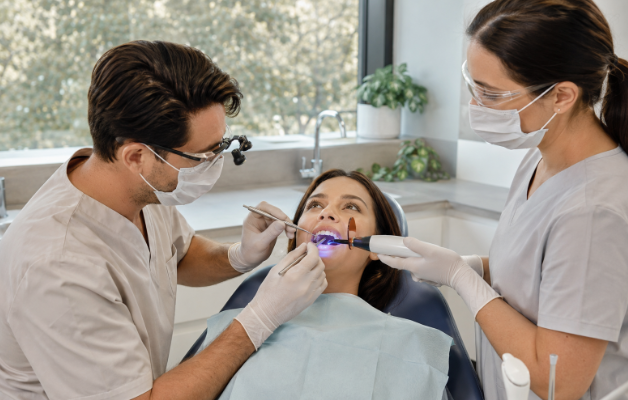
Tooth decay is one of the most common oral health issues affecting Australians of all ages. While it can begin as a minor problem, untreated decay may progress quickly and lead to pain, sensitivity, or more complex dental treatment. Understanding how early intervention works can help people make informed decisions about their oral health.
In many cases, a Dental Filling is used to restore a tooth that has been damaged by decay. This treatment helps preserve the natural tooth structure and prevent the problem from worsening over time.
How Tooth Decay Starts
Decay begins when plaque builds up on the teeth and interacts with sugars from food and drinks. This process produces acids that gradually wear down tooth enamel. In the early stages, decay may not cause any noticeable symptoms, which is why regular dental check-ups are important.
Once the enamel is damaged, bacteria can move deeper into the tooth. At that point, treatment is often needed to stop further deterioration.
Signs a Filling May Be Needed
Some people only discover decay during a routine dental examination, but others may notice warning signs. Common symptoms can include tooth sensitivity, pain when eating sweet foods, visible holes, or dark spots on the tooth surface.
Even mild symptoms should not be ignored. Early care often means simpler treatment and a lower chance of needing more involved procedures later.
See also: Best Lifestyle Tips After 100-Unit Wrinkle Care Sessions
What a Filling Does
A filling is used to repair the area of the tooth affected by decay. The damaged portion is removed, and the space is filled with a dental material that restores the tooth’s shape and function. This allows the tooth to continue working normally while helping to protect it from additional damage.
Modern filling materials are designed to be durable and suitable for everyday use.
Why Early Treatment Is Better
Treating decay early can reduce discomfort and help preserve more of the natural tooth. If decay is left untreated, it may spread to the inner parts of the tooth and increase the risk of infection. In more advanced cases, treatment such as root canal therapy or extraction may become necessary.
Prompt treatment is usually the most conservative approach.
Supporting Long-Term Oral Health
Good oral hygiene, regular dental visits, and a balanced diet all play a role in preventing decay. Brushing twice a day with fluoride toothpaste and reducing frequent sugar intake can make a meaningful difference.
When problems are identified early, straightforward treatments such as fillings can help maintain comfort, function, and long-term oral health.