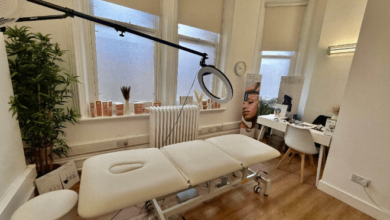
Booking a first psychology appointment can bring up a mix of hope and nerves. Many people worry they won’t know what to say, that they’ll be judged, or that they’ll be expected to share everything immediately. In reality, first sessions are usually gentle and practical. They’re designed to help you feel safe, understand what support could look like, and decide on next steps at a pace that suits you.
A good way to think about the first appointment is as a starting conversation. You and the psychologist gather context, clarify what you want help with, and begin shaping a plan. Many people begin by looking for a professional psychologist carindale based on fit and approach, and the first session is where that fit becomes clearer.
Before you arrive: forms, logistics, and a few basics
Often you’ll be asked to complete intake forms before the appointment. These might include:
- contact details and emergency contact
- current concerns and relevant history
- medical information (if it’s relevant)
- consent forms and privacy information
If you have a referral or mental health care plan (where applicable), you may be asked to bring it. It can also help to jot down a few notes beforehand, such as the main issues you want to address and any key events or patterns you’ve noticed. You don’t need a polished story. A handful of bullet points is enough.
Confidentiality: what it means in everyday terms
Confidentiality is one of the first things your psychologist will usually explain. Most of what you share stays private. There are some standard legal and ethical limits that may require action, such as immediate risk of harm to yourself or someone else, or specific legal obligations.
In practice, this explanation is meant to help you feel safer, not scrutinised. If you’re unsure about what is confidential, it’s normal to ask directly. Clear boundaries tend to make the rest of the session easier.
The first session usually focuses on your context
Early sessions commonly involve questions that help your psychologist understand what life looks like for you right now. You may be asked about:
- what brought you in and what’s been hardest lately
- how long this has been going on
- how it affects sleep, appetite, concentration, work, relationships, or motivation
- what you’ve tried so far and what helped even a little
- previous therapy or mental health support
- relevant personal history (family, upbringing, big life events)
You can share as much or as little as you’re comfortable with. If something feels too sensitive for a first session, you can say so. Many people start with the present-day problem and fill in the background gradually.
You’ll talk about goals, but they can be simple at first
A common misconception is that you must have a clear goal like “fix my anxiety.” Goals can be small and practical, especially early on, such as:
- feeling less overwhelmed day to day
- improving sleep routines
- learning how to calm panic symptoms
- managing conflict more constructively
- building confidence in a specific area of life
Your psychologist may help translate broad concerns into goals that are more specific and measurable. This isn’t about turning therapy into homework. It’s about making progress easier to notice.
Expect some gentle assessment and screening
Depending on what you’re seeking support for, the psychologist might use short questionnaires or structured questions. These tools help clarify symptom patterns and severity, and they can also provide a baseline to track change.
Screening does not automatically mean you have a diagnosis. Often, it’s simply a way to ensure your support is matched to your needs and that important factors aren’t missed.
Session structure: conversation now, strategy soon
In many first sessions, the focus is on understanding rather than “doing techniques.” Still, you might leave with one or two practical ideas, such as:
- a simple grounding exercise for anxiety spikes
- a small behaviour change to reduce stress load
- a sleep or routine adjustment
- a way to track mood shifts or triggers
If you don’t get tools in the first session, that doesn’t mean therapy isn’t working. It usually means the psychologist is building an accurate map before suggesting the best route forward.
How it should feel: supported, not pressured
A helpful first appointment often feels like:
- you are listened to without being rushed
- the psychologist asks thoughtful questions and explains why
- you feel a bit lighter from naming what’s happening
- you understand what the next sessions might focus on
It’s also normal to feel tired afterward. Talking about personal topics can take energy, even when the session is positive.
See also: Studying Mental Health at Postgraduate Level in Australia
Next steps: what happens after the first appointment
Near the end, you’ll usually discuss a plan. This can include:
- the suggested therapy approach (for example, skills-based work, values-based work, or pattern-focused work)
- how often to meet initially
- what to focus on next session
- whether there are any supports to coordinate with (such as a GP or another provider, if relevant)
You may also decide together whether it feels like a good fit. Fit is not about the psychologist being “nice.” It’s about whether you feel understood, respected, and able to be honest over time.