A well-planned newsletter can do more than share company updates. It can remind customers why they chose your business, provide useful information, and give them a reason to return. Direct mail newsletters can support customer retention by keeping your brand present in a tangible, familiar format. With thoughtful content, relevant offers, and consistent messaging, a printed newsletter can become a regular touchpoint rather than another piece of promotional material. For businesses using iti Direct Mail, the goal is to make every mailing feel useful enough to read and relevant enough to remember.
Give Customers a Reason to Keep Reading
Customer retention starts with relevance. People are more likely to pay attention to a newsletter when the information reflects their interests, previous purchases, or common needs. A generic collection of company announcements may get overlooked, while practical advice or timely information can earn a place on the kitchen counter, desk, or bulletin board.
Think about what existing customers already value from your business. If you sell home improvement services, your newsletter could include maintenance advice, seasonal preparation tips, and ideas for protecting a recent investment. A professional service provider might share useful guidance that helps customers make better decisions.
The newsletter should reinforce the idea that your business remains useful after the initial purchase. That ongoing value gives customers a reason to stay familiar with the brand.
Build Content Around the Customer Relationship
A retention-focused newsletter should speak to people who already know your business. That changes the content strategy.
Instead of spending most of the space explaining who you are, focus on what customers can do, learn, or gain from staying connected with you. A newsletter mailer can include educational content, product guidance, reminders, seasonal recommendations, community updates, or information about services customers may have overlooked.
Strong content can include:
- Practical tips related to the products or services customers already use
- Helpful reminders that encourage repeat purchases or routine service
- Exclusive updates that make existing customers feel recognized
The objective is not to fill every available space with promotional messages. A customer who receives useful information is more likely to pay attention to future mailings. Promotional content can then appear alongside information that already has value.
Use Personalization Without Making It Complicated
Personalization does not require an elaborate message for every individual customer. It starts with understanding different customer groups and giving each group information that makes sense for them.
For example, a retailer might separate customers based on product categories they have purchased. A service business could create different messages for new customers, repeat customers, and customers who have not purchased recently.
Even simple changes can make a mail newsletter feel more relevant. The featured products, advice, images, or call to action can reflect the recipient’s interests.
Personalized messaging also makes it easier to avoid sending irrelevant promotions. A customer is more likely to engage with a message that recognizes their needs instead of treating every recipient exactly the same.
Make the Printed Format Work for You
Physical mail has an advantage that digital communication often lacks: it creates a tangible interaction with the brand. That advantage becomes stronger when the newsletter is easy to read and visually organized.
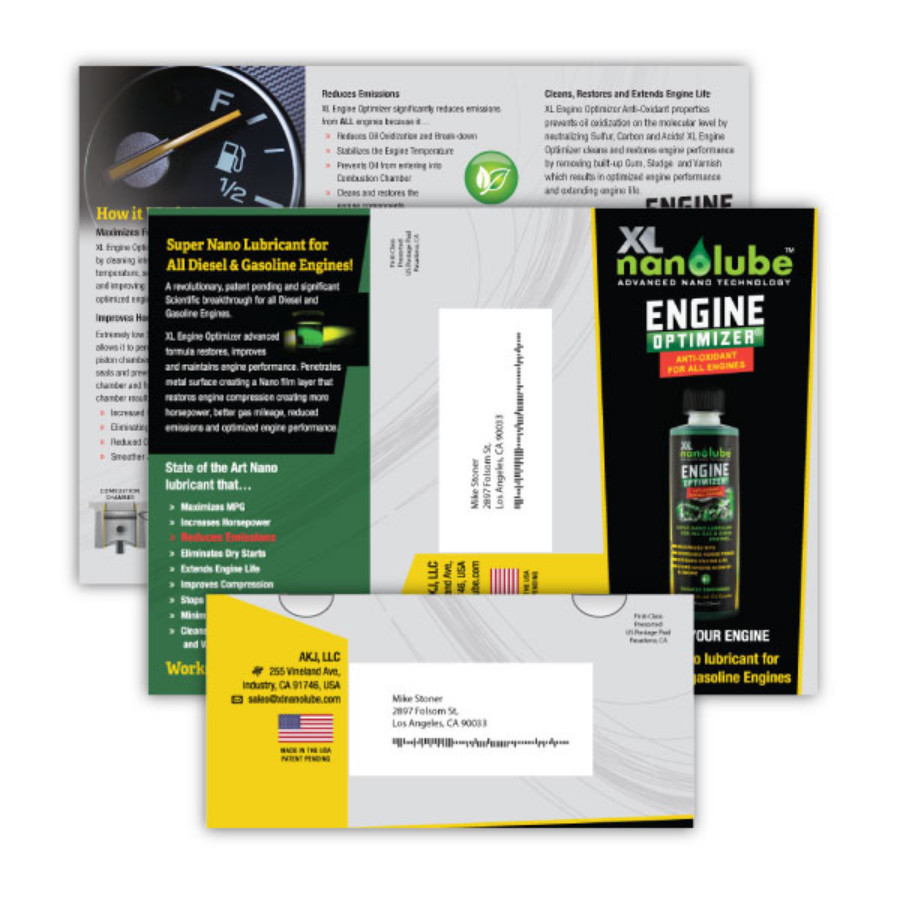
A large-format 11×17 newsletter printing layout can provide additional room for editorial content, images, promotions, and calls to action without making the page feel crowded. The format can work particularly well for businesses that have several related topics to communicate.
However, more space should not mean more clutter. Use clear sections, readable typography, strong headlines, and enough white space to guide the reader through the page. A customer should be able to scan the newsletter and quickly understand which parts are relevant to them.
The physical design should also reflect the quality and personality of the business. Consistent colors, imagery, logos, and messaging help customers recognize the publication before they even start reading.
Turn Useful Information Into Repeat Engagement
Retention grows through repeated positive interactions. A newsletter can support this by giving customers information they can actually use.
Consider creating recurring content sections. A monthly tip, seasonal recommendation, product spotlight, customer reminder, or short educational feature can give readers a familiar reason to look at each edition.
The content should not feel copied from one issue to another. Keep the overall structure familiar while changing the substance. For example, a home services company could dedicate one section to maintenance advice and change the specific topic according to the season or customer needs.
Direct mail newsletters give the business a steady source of content without turning every mailing into a sales catalogue.
Connect the Newsletter to a Clear Action
A retention newsletter should encourage action, but the action does not always need to be a purchase.
A call to action could invite customers to schedule a service, visit a store, request information, read a related article, use an existing product more effectively, or take advantage of a customer-only offer.
The action should match the content around it. If the newsletter provides maintenance advice, the related call to action could promote a maintenance service. If it highlights a new product category, readers could be directed toward additional product information.
A clear action gives the reader a simple next step instead of leaving the newsletter as a passive communication.
Make Every Mailing Part of a Larger Retention Plan
A direct mail newsletter works best when it connects with the rest of the customer experience. The message in the printed piece should support what customers see through email, social channels, your website, and in-person interactions.
That does not mean repeating the same message everywhere. Each channel can serve a different purpose. The newsletter might provide detailed advice, while email can remind customers about an offer or direct them to a specific page.
Tracking responses can also show which topics generate interest. Businesses can monitor website visits from newsletter-specific landing pages, response codes, inquiries, bookings, or other actions tied to the mailing.
These insights help refine future content. If customers consistently respond to educational articles but ignore broad promotional sections, future editions can give useful information a larger role.
Protect the Newsletter from Becoming Just Another Advertisement
Customer retention depends on trust. A newsletter that reads like a sales flyer from beginning to end can quickly lose that trust.
Promotions have a place, particularly when they are relevant to existing customers. However, the publication should offer value beyond the promotion. A useful article, practical tip, product education, or timely reminder can make the promotional section feel like part of a larger customer resource.
This balance is especially useful for businesses with repeat customers. People do not need to be persuaded to learn about a business they already know. They need reasons to continue paying attention to it.
Give Existing Customers a Sense of Recognition
Retention is also influenced by how customers feel about their relationship with a brand. A newsletter can acknowledge that relationship through customer-focused messaging.
You might highlight loyalty benefits, introduce a new service based on customer feedback, share helpful resources created specifically for existing customers, or provide early notice about something relevant to them.
The language should feel personal rather than overly promotional. Customers should come away feeling that the mailing was created with their needs in mind.
iti Direct Mail can support this type of communication by giving businesses a structured way to put useful printed content in front of their existing audience.
Use Newsletter Mailing as a Consistent Customer Touchpoint
A strong retention program needs consistency. A single mailing may remind someone about your business, but an ongoing publication creates familiarity.
Each newsletter mailing should have a clear purpose. One edition might focus on seasonal advice, another on customer education, and another on products or services that complement previous purchases. This creates variety while keeping the publication recognizable.
Consistency also gives your team an opportunity to learn what works. Reader responses, inquiries, website activity, and customer feedback can guide future editions. Over time, the newsletter becomes less of a standalone marketing activity and more of a communication channel built around existing customers.
See also: How to Get a Turkish eVisa for Business for Foreign Travelers
Make Retention the Measure of Success
The strongest newsletter is not necessarily the one with the most promotional content. It is the one that gives customers a reason to remember the business, trust its expertise, and take another meaningful action.
A customer retention newsletter should educate, remind, recognize, and invite. Useful information keeps the publication relevant, thoughtful design makes it readable, and targeted calls to action connect the printed message with the next step in the customer relationship.
For businesses that want to strengthen those relationships through print, a well-planned newsletter can become a valuable part of the marketing mix. Contact us today to discuss how a focused newsletter strategy can keep your existing customers engaged and give them more reasons to return.