San Antonio buildings are getting busier, not quieter. More tenants bring more devices, and “good enough” indoor coverage stops feeling good the moment a lobby fills or a new floor opens. Property teams feel it first as support tickets and dropped calls. Leasing teams feel it next when a prospect asks which carriers work reliably inside the building, and how fast coverage can be improved.
A neutral host approach can take the heat out of that conversation. Instead of rebuilding for every carrier request, owners put one shared indoor layer in place and made onboarding more procedural. The result is fewer redesigns, fewer ceiling rework surprises, and a cleaner path when a tenant’s preferred carrier changes. It also helps portfolios standardize indoor coverage across sites, without turning every new lease into a construction project.
Distributed Antenna Neutral Host Carrier Participation
A neutral host model gives carriers a common on-ramp into the building, so onboarding feels like integration rather than a custom build. With a distributed antenna solution, the owner provides shared indoor infrastructure, and carriers connect through defined interfaces, grounding rules, and space requirements. That structure shortens “can you support us?” debates and keeps timelines predictable when a tenant needs coverage before move-in, not weeks later, with fewer surprises for the building team.
It also reduces competing hardware and crowded closets. Without a neutral host, each carrier request can push new gear into the same risers, and the building slowly turns into a patchwork that is hard to service. A neutral host keeps the head-end cleaner, simplifies troubleshooting, and makes upgrades easier to schedule. That consistency matters when a tenant escalates quickly and expects an answer the same day, not tomorrow, during busy leasing cycles.
Testing and Documentation That Reduce Carrier Back-and-Forth
Neutral host becomes easier when the proof is ready. A consistent testing method, mapped results, and clear acceptance thresholds help carriers trust the indoor layer they are connecting to. That can include baseline readings in priority zones like lobbies, garages, and interior corridors, plus notes about building conditions that affect RF. When reports are repeatable, teams compare results across floors, spot drift after remodels, and isolate problems faster, without retesting everything each time.
Documentation should be practical, not ceremonial. As-builts, labeled pathway maps, power notes, and a change log save hours during onboarding. When a carrier asks for a new connection or a tenant requests an expansion, the building team can answer quickly and accurately. That speed builds credibility and reduces the temptation for carriers to propose one-off fixes that complicate the site and crowd equipment rooms over time, and keeps scope discussions short and clean.
Standards That Speed Antenna System Approvals and Turn-Ups
Carrier onboarding can stall on small details: rack space, grounding, cabling pathways, and who owns the demarcation point. A neutral host distributed antenna system removes much of that friction by standardizing how carriers enter the building and how signals are distributed. When the demarc is documented, carrier teams move faster because they are not renegotiating basics, submittals, and site rules every single time, and approvals rarely get stuck in email loops.
Shared standards also help during renovations and tenant churn. If a floor gets reconfigured, the building team can keep the same interfaces, labeling, and testing steps without reinventing the plan. That keeps turn-ups from becoming special events that disrupt daytime operations. Owners schedule work in calmer windows, tenants see fewer surprises, and carrier teams spend less time waiting on access, escorts, and last-minute clarifications, especially when multiple carriers are involved.
Designing for Multi-Carrier Growth, Not Just Day-One Tenants
A neutral host plan works best when it anticipates growth. San Antonio offices add headcount, retail mixes shift, and industrial sites add scanners and IoT devices that increase demand. A distributed antenna solution sized only for today can become tight fast, even if coverage looks fine on a quick walk-through. Modeling peak use, planning sectoring, and reserving head-end room helps the building absorb new tenants without rushing redesigns later, quickly.
Future-proofing is also physical and operational. Owners can reserve riser space, keep pathways serviceable, and avoid placing core equipment in closets that tenants later convert into storage. Small decisions like labeling, cable dressing, and protected access make later carrier additions cheaper and quicker. In practice, that means a new tenant can be supported with incremental work, not a fresh ceiling project that disrupts premium suites and meeting areas, and customer-facing spaces.
Operational Handoff That Keeps Carriers and Tenants Aligned
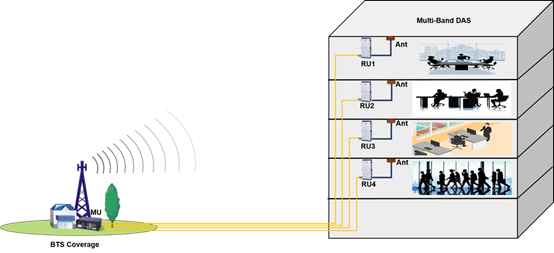
Performance is not the only goal; predictability is. A neutral host distributed antenna system benefits from a clear handoff package that explains where equipment lives, who can access it, and how changes are requested. When property teams have a simple playbook, they can schedule carrier visits, coordinate escorts, and avoid the “wrong door, wrong key, wrong closet” delays that quietly stretch timelines, budgets, and tenant patience, without chasing missing details on site.
A strong handoff also protects tenant satisfaction during busy weeks. Tenants care less about architecture and more about whether changes are quiet, scheduled, and cleaned up the same day. A good process sets expectations for after-hours work, ceiling access, and testing windows, and it keeps common areas looking finished. When onboarding follows a routine, the building feels controlled, not under construction, even while carrier work happens behind closed doors, consistently.
See also: What Should a Technology Due Diligence Checklist Actually Cover? A Practitioner’s Guide
Budget Planning That Avoids Ceiling Rework Surprises
A neutral host can be cost-effective, but only if the scope includes the hidden items. Owners should budget for pathways, fire-stopping, power, grounding, and access controls, not just the electronics. They should also plan for maintenance and periodic verification so performance stays stable as tenants change. A clear budget story makes approvals easier, especially when leadership wants to separate one-time build costs from ongoing operating costs by line, for multi-year ownership planning.
Upgrade strategy matters just as much. If the plan includes spare capacity, clean interfaces, and room to add components, future carrier onboarding can be handled with lighter work. That reduces tenant disruption and protects finish quality in premium areas. Over time, the building avoids repeated ceiling openings and the visual clutter that comes from stacking hardware wherever there is space, then trying to hide it later during a rush.
Conclusion
Neutral host as a practical way to reduce onboarding friction and keep indoor coverage consistent as tenants change. When buildings standardize interfaces, protect pathways, and validate performance with repeatable testing, carrier participation becomes easier to plan. That translates into fewer delays, less disruption, and clearer accountability after upgrades and renovations, especially across multi-tenant properties with frequent turnover and evolving device usage and expectations, in a way tenants actually notice.
CMC communications can support San Antonio owners who want a shared indoor approach that is easier to scale and easier to maintain. Their team helps organize the design, documentation, and onboarding steps so carrier additions feel routine instead of disruptive. For property teams balancing tenant expectations and building operations, that structure can be the difference between constant reactive fixes and a calmer long-term plan that still performs under load on busy days.
Frequently Asked Questions
Question: What is a neutral host approach in simple terms?
Answer: Neutral host means the building provides the shared indoor infrastructure and carriers connect into it, rather than each carrier installing separate equipment. This reduces duplicated hardware, simplifies access planning, and makes it easier to support tenants with different carrier preferences. It also keeps troubleshooting more centralized for the property team.
Question: Does a neutral host support more than one carrier at the same time?
Answer: Yes. A shared indoor layer can be structured so that multiple carriers can participate through defined interfaces and onboarding steps. The exact setup depends on the building, carrier participation, and the design choices. A planning phase that confirms requirements early helps keep the project predictable.
Question: Will a neutral host reduce tenant disruption during carrier changes?
Answer: Often, yes. When pathways, closets, and testing steps are already defined, carrier work is shorter and easier to schedule. Tenants see fewer ceiling openings and fewer surprise visits. That usually improves satisfaction in premium suites and shared common areas.
Question: What should owners ask for in the closeout package?
Answer: Owners should request as-builts, labeled pathway maps, power and grounding notes, and a clear summary of testing results in key areas. They should also ask for a simple change process, so future carrier additions have a clear path. Keeping these records in one shared location makes onboarding faster later.
Question: How does a neutral host help during renovations?
Answer: Renovations often change how the signal behaves, especially with new walls and fire-rated doors. With a standard indoor layer, teams can retest targeted areas and adjust without rebuilding everything. Documentation also helps contractors avoid damaging pathways, which reduces costly rework.