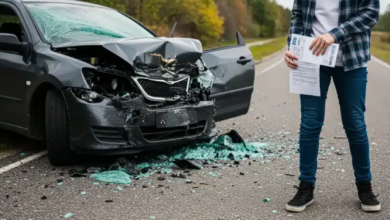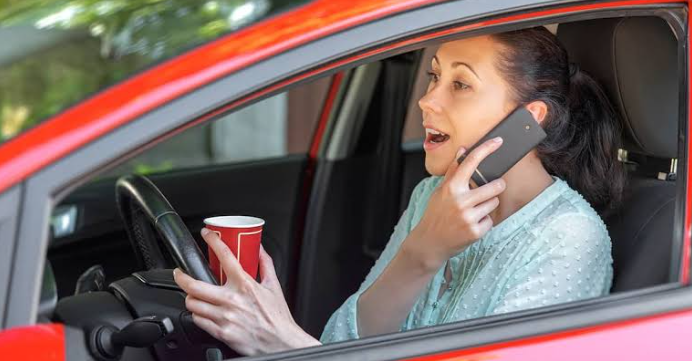
Every driver gets distracted, but a brief glance away can change speed, lane position, and reaction time. As a result, a collision follows and raises questions about the driver’s conduct, a passenger’s actions, an employer’s responsibility, or another party’s role. Fault depends on evidence, applicable traffic rules, and the connection between the distraction and the injuries. Understanding how responsibility is assessed helps an injured person protect records and respond carefully to insurance demands.
A collision caused by a glance at a phone, a meal, or a dashboard alert raises a legal question: who owed a duty to drive attentively, and what evidence proves that duty was broken? To find answers, a Greensboro accident attorney assesses phone records, witness accounts, vehicle data, and insurance communications before a claimant accepts a settlement. In doing so, that review connects attention loss to the crash, separates documented losses from assumptions, and flags disputes that need prompt investigation.
Who May Be Responsible?
In distracted driving, the driver usually faces primary responsibility because drivers must control their vehicles and follow traffic laws. For example, a driver who reads a text, reaches for an object, eats, or focuses on a passenger can lose the attention needed to detect hazards.
However, a phone notification alone does not prove that a driver read a message before impact. Investigators compare call or message timing with witness accounts, vehicle movement, traffic signals, skid marks, and the driver’s statements to make sure evidence connects the distraction to the collision.
A passenger can also create a distraction in limited situations. An adult passenger who grabs the steering wheel, blocks the driver’s view, or otherwise directly interferes could share responsibility. The facts must show that the passenger’s conduct contributed to the crash.
See also: Why a Likable Person Test Will Help You Change Your Life
Evidence That Helps Establish Distraction
Witness statements often provide the first account of what happened inside the vehicle. For instance, a witness might report seeing a driver hold a phone, look down, turn around, or fail to react to the traffic signal.
Crash photos and nearby camera footage can show lane position, vehicle movement, and the timing of the impact. Vehicle data can also reveal braking, speed, or steering changes, depending on the vehicle and available records.
Phone records can establish whether a call, text, or data session occurred near the collision time. Still, those records do not automatically prove distraction, so attorneys compare them with the crash timeline and other testimony.
The driver’s own statements matter. An admission made to an officer, witness, insurer, or another driver can support liability, while inconsistent explanations can also raise questions about credibility.
When Another Party Shares Fault
An employer can face responsibility when an employee causes a crash while performing work duties. Delivery drivers, sales employees, and other workers who drive during their duty hours may require a careful review of their schedules, routes, and job instructions.
A vehicle owner can share responsibility if they knowingly allow an unsafe or unqualified driver to operate the vehicle. Similarly, maintenance failures create a separate issue if defective brakes, tires, lights, or steering equipment contributed to the collision.
A manufacturer or repair business can face claims when a defective part or careless repair causes the driver to lose control. These cases, however, require maintenance records, inspection evidence, and qualified analysis of the vehicle’s condition.
How Shared Fault Affects Compensation
More than one person can contribute to a crash. For example, a distracted driver might fail to notice a stopped vehicle, while another driver could speed or change lanes unsafely. Investigators examine each action that affected the collision rather than assigning blame based on one mistake.
State law controls how shared fault affects recovery. Some rules reduce compensation according to an injured person’s percentage of responsibility, while other rules restrict recovery after a specified threshold. Therefore, a local legal review becomes necessary to identify the rule that applies to the claim.
Insurance Issues After a Distracted Driving Crash
An insurer may question whether distraction caused the collision or argue that the injuries resulted from an earlier condition. Adjusters also review treatment gaps, prior symptoms, vehicle damage, and statements made soon after the crash.
A claimant should avoid guessing about another driver’s phone use or minimizing symptoms during an insurance call. Instead, a clear account should describe observed facts, treatment, missed work, and daily limitations without speculation.
A settlement release can end the claim and prevent later recovery for unpaid bills or future treatment. Reviewing the medical outlook and documented losses before signing protects the claimant from accepting an amount that fails to cover the injury.
Practical Steps After the Collision
Medical care should come first, followed by gathering evidence. An injured person should keep photographs, medical records, wage documents, repair estimates, and witness names in one organized file.
Reporting the crash promptly preserves a reliable timeline. It also gives an attorney time to request camera footage, send evidence-preservation notices, and review insurance deadlines before records disappear.
A claimant should avoid deleting messages, changing social media posts, or discussing fault publicly. Those actions can create avoidable disputes about the driver’s conduct, the injury’s severity, or the accuracy of the claim.
Conclusion
Distracted driving responsibility depends on the conduct that caused the collision and the evidence that proves it. Phone activity, witness accounts, vehicle data, statements, and medical records can connect lost attention to the resulting harm. Other drivers, passengers, employers, owners, repair businesses, or manufacturers can also share fault when their actions contributed. Therefore, if involved in a car accident, preserve records, obtain medical care, and seek a local legal review before responding to a settlement offer or signing a release.