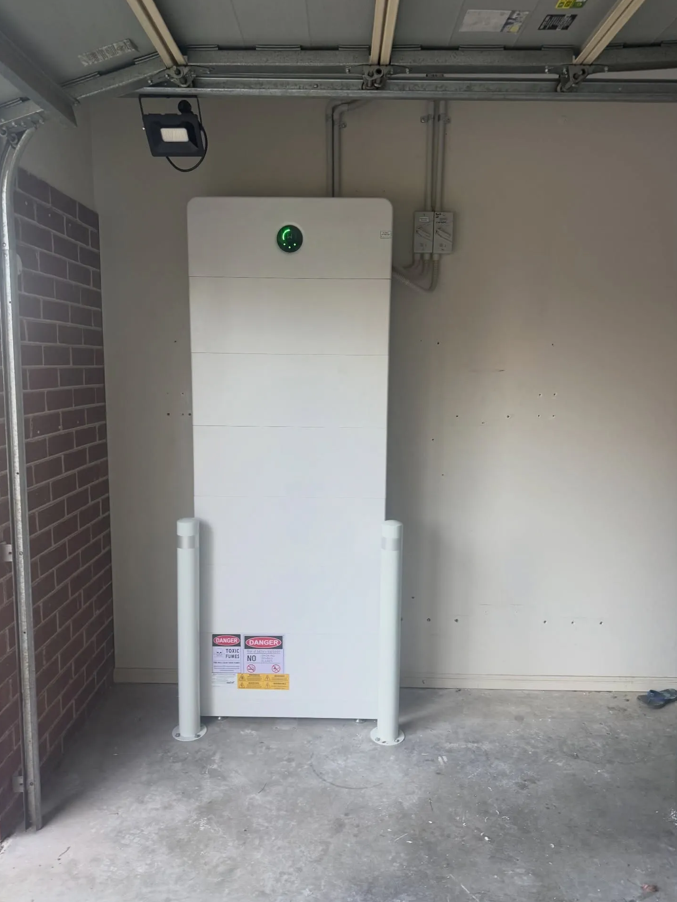
For many electric vehicle owners, the easiest place to charge is at home. Instead of relying on public charging stations, a homeowner can plug in after work and start the next day with a charged vehicle. In fact, Australian Government guidance states that around 80% of reported EV charging occurs at home.
However, installing a dedicated charger is more involved than simply mounting a unit on a garage wall. EV Charger Installation in Melbourne requires consideration of the home’s electrical capacity, parking arrangement, charger output, cable route, switchboard and future energy requirements. Choosing the right equipment and having the installation completed correctly can make home charging safer, more convenient and better suited to the way you drive.
Why Install an EV Charger at Home?
A standard 240-volt power point can charge an electric vehicle, but it is relatively slow. Government guidance classifies this as Level 1 charging, with a maximum supply of around 2.4 kW. For drivers with modest daily travel and plenty of time to charge overnight, that may be sufficient; however, households with longer commutes often prefer a dedicated Level 2 charger.
Dedicated EV chargers generally provide between 7 and 22 kW of AC charging capacity, although the actual charging speed depends on the vehicle’s onboard charger and other factors. A dedicated unit can therefore provide substantially faster charging than a standard outlet and may be particularly useful when the car needs to be ready for regular commuting, school runs or longer journeys.
See also: Best Lifestyle Tips After 100-Unit Wrinkle Care Sessions
What Type of EV Charger Should You Choose?
The first decision is determining how much charging capacity your household actually needs. Buying the most powerful charger available is not necessarily the best approach because the vehicle itself may have a lower maximum AC charging rate. Battery size, state of charge and battery temperature can also affect charging performance.
For most homeowners, Level 2 AC charging is the practical middle ground between convenience and installation complexity. Level 3 DC fast chargers are considerably more powerful and are primarily used at public charging locations because they require substantially greater electrical infrastructure.
Key Factors When Comparing Chargers
Consider the following before purchasing equipment:
- Your vehicle’s maximum AC charging rate
- Desired charging speed
- Available electrical capacity at the property
- Cable length and charger location
- Indoor or outdoor installation
- Solar PV compatibility
- Smart charging functions
- Load management capability
- Manufacturer warranty and support
- Future EV ownership plans
A charger should be selected as part of the overall electrical system rather than treated as an isolated appliance.
What Happens During EV Charger Installation?
A professional EV charger installation normally starts with an assessment of the property. The electrician needs to determine where the vehicle will park, where the charger can be mounted, how cables can be routed and whether the existing switchboard and electrical supply can safely support the additional load.
Dedicated home chargers are connected directly to the home’s electrical supply and must be installed by a licensed electrician. Depending on the property, installation may require changes to the switchboard or supply connection.
The installation process may involve:
- Inspecting the existing switchboard and electrical installation.
- Assessing available electrical capacity.
- Selecting a suitable charger and installation location.
- Planning the cable route between the switchboard and charger.
- Installing the required circuit and protective equipment.
- Mounting and connecting the charger.
- Testing the installation and confirming correct operation.
- Providing the relevant documentation and instructions.
The complexity of this work varies considerably between homes. A charger mounted close to a suitable switchboard may require relatively straightforward cabling, while a detached garage or long cable route can involve more extensive electrical work.
Does Your Switchboard Need an Upgrade?
One of the most frequently overlooked aspects of home charging is the switchboard. Older homes may have limited capacity, outdated equipment or an electrical layout that was never designed for a high-power EV charger operating for several hours at a time.
An electrician should assess the existing installation before recommending a charger. In some cases, the property may have enough capacity for the selected unit. In others, an upgrade or a load-management solution may be appropriate. The Australian Government specifically notes that dedicated home chargers can require a switchboard and supply-connection upgrade.
Why Load Management Matters
Smart load management can help control how much electricity the charger draws when other household appliances are operating. This can be useful in homes with solar panels, electric hot-water systems, induction cooking, air conditioning or other significant electrical loads.
Rather than automatically assuming that a larger electrical supply is necessary, a qualified electrician can assess household demand and determine whether load management or another approach is suitable.
Where Should You Install an EV Charger?
The ideal location is usually close to the vehicle’s regular parking position while allowing practical access to the charging cable. Garages are common installation locations, but chargers can also be installed outdoors when the selected equipment and installation method are suitable for the environment.
Think beyond the location of the car today. Consider where you are likely to park in the future, whether the cable will cross a pedestrian path and whether the charger can be accessed without creating a trip hazard. Good installation planning should balance electrical practicality, convenience and safe everyday use.
Before deciding on a location, consider:
- Distance between the switchboard and parking space
- Protection from accidental vehicle impact
- Exposure to weather
- Cable management
- Pedestrian access
- Ease of plugging and unplugging
- Visibility and lighting
- Potential changes to the garage or driveway
A neat installation is not simply about appearance. Cable routing and equipment placement can influence safety and usability every day.
Can You Use Solar Power to Charge an EV?
Homeowners with rooftop solar have another factor to consider: when and how the vehicle is charged. A smart charger or energy-management system can potentially coordinate charging with household electricity use and solar generation. Australian Government guidance specifically highlights smart charging and solar integration as options for homeowners.
For example, someone who works from home may be able to charge during daylight hours when solar panels are producing electricity. Someone who commutes during the day may instead prefer overnight charging, potentially using an electricity plan with suitable off-peak pricing. The best strategy depends on the home’s solar generation profile, electricity tariff, driving habits and charger capabilities.
What About EV Charger Installation in Melbourne Apartments?
Installing a charger can be more complicated for apartment and strata residents. The issue is not necessarily the charger itself but the shared nature of the building’s electrical infrastructure, parking areas and common property.
Australian Government guidance recommends that residents seek approval from their owners corporation where required before installing personal charging infrastructure. A building assessment may also be needed to determine whether the existing electrical system can support one or multiple chargers.
Strata Owners Should Consider
If you live in an apartment, discuss:
- Approval requirements
- Your designated parking space
- Cable routes through common property
- Electricity metering and billing
- Existing building electrical capacity
- Future demand from other residents
- Load-management requirements
- Insurance considerations
- Maintenance responsibilities
Planning for future chargers can be particularly important in larger buildings. Installing one charger without considering how additional EVs will affect the electrical system may create unnecessary costs later.
How Much Does EV Charger Installation Cost?
There is no single installation price that applies to every Melbourne property. The total cost can vary according to the charger selected, distance from the switchboard, cable route, switchboard condition, electrical upgrades, mounting requirements and whether additional load-management equipment is needed.
For this reason, homeowners should be cautious about choosing an installer based solely on a low advertised installation price. A detailed quote should identify the charger model, electrical work, cable length or installation scope, protection equipment, switchboard work and any additional charges that could apply.
When comparing quotes, ask:
- Is the charger included in the quoted price?
- What model and power rating is being installed?
- Does the price include all required electrical protection?
- Will the switchboard require modification?
- Is cable routing included?
- Is testing and commissioning included?
- What warranty applies to the charger and installation?
- Are there potential additional costs if unexpected electrical issues are discovered?
A transparent quote makes it easier to compare like-for-like installations.
What Safety Issues Should Homeowners Know?
EV charging involves sustained electrical loads, so safety should remain the priority. A dedicated charger should be installed by a licensed electrician, and homeowners should avoid improvised connections, extension leads or power boards for EV charging. The Australian Government recommends connecting a charging cable directly to an appropriate power point rather than using extension cords or power boards.
The charger and its cable should also be kept clean, dry and free from visible damage. Government guidance recommends that home EV chargers be inspected by a licensed electrician periodically, particularly as the equipment ages.
Never ignore warning signs such as:
- Damaged or frayed charging cables
- Loose electrical connections
- Repeated circuit-breaker trips
- Unusual heat or burning smells
- Physical damage to the charger
- Persistent charging faults
- Water entering electrical components
If something appears abnormal, stop using the equipment and arrange a professional inspection rather than attempting a DIY repair.
How Can You Prepare for Installation?
Good preparation can make the EV charger installation process smoother and help avoid unnecessary changes later. Start by understanding your daily driving requirements rather than selecting a charger solely because it offers the highest advertised power.
A practical preparation checklist includes:
- Check your vehicle’s charging specifications.
- Identify where the car normally parks.
- Locate the home’s main switchboard.
- Determine whether you have rooftop solar.
- Review your electricity plan.
- Consider future EVs in the household.
- Ask an electrician to assess available electrical capacity.
- Compare detailed installation quotes.
- Check the installer’s licensing and experience.
- Confirm warranty and after-installation support.
For homeowners planning EV Charger Installation in Melbourne, these steps can help turn a potentially complicated electrical project into a well-planned upgrade.
Choosing the Right Electrical Professional
The quality of the installation matters just as much as the charger itself. A suitable electrical contractor should be able to assess the existing electrical installation, explain the available charging options and identify any upgrades or load-management requirements before work begins.
Powerband Electrical can be considered when researching local electrical professionals, but homeowners should still compare the proposed equipment, installation scope, safety provisions and warranty conditions before making a decision. The goal should be a charging system that fits the property and the driver’s actual needs rather than simply choosing the most powerful unit available.
Conclusion
EV Charger Installation in Melbourne is becoming an increasingly practical consideration for homeowners who want convenient, reliable charging at their own property. While a standard power point may be enough for some drivers, a dedicated Level 2 charger can offer substantially faster home charging and greater convenience.
The right installation depends on several factors, including the EV’s charging capability, household electricity demand, switchboard condition, parking arrangement, solar generation and future energy needs. A professional assessment can identify whether the property requires additional electrical work or whether smart load management could provide a better solution.
Before committing to an EV charger installation, focus on safety, compatibility and long-term practicality rather than simply choosing the highest-powered charger. With careful planning and qualified electrical work, Melbourne homeowners can create a home charging setup that is convenient today while remaining adaptable as their energy and transport needs evolve.