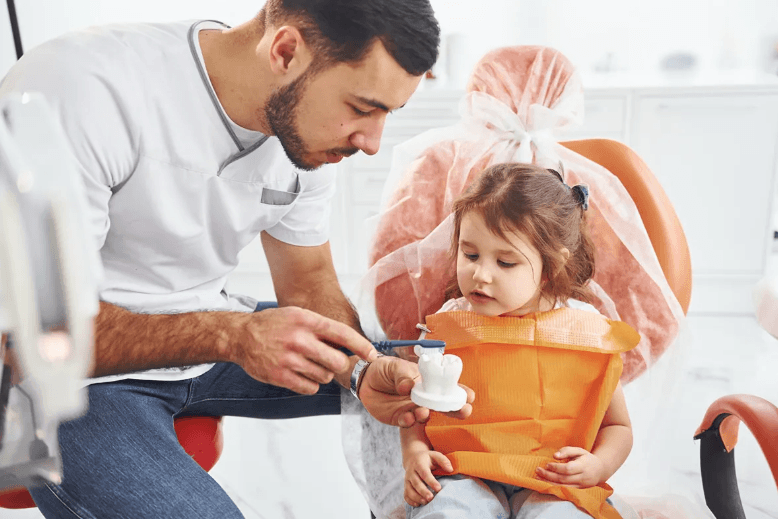
Brushing teeth is usually the habit parents spot first because it happens in front of the bathroom mirror, with toothpaste, rinsing and reminders built into the morning rush. The rest of personal hygiene can slip into the background, even though it affects how children feel in their skin, how comfortable they are around others and how well they learn to care for themselves.
Children need more than a clean smile. They need to understand why hands are washed, clothes are changed, hair is cared for, bodies are cleaned and toilet habits matter. The aim isn’t to make children anxious about dirt or germs, but to help them build ordinary routines they can carry into school, sleepovers, sports clubs and later life.
Helping Children Understand Everyday Cleanliness
A child can leave the house with polished shoes and brushed teeth while still forgetting to use soap after the toilet or putting on socks that should have gone in the wash. Rather than treating hygiene as one big instruction, break it into the small tasks that happen across a normal day.
Hands need soap before food and after the loo. Feet need clean socks because sweat builds up. Underwear needs changing every day. Hair may need washing more often after swimming, sport or warm weather. Adults who foster a child may also notice that washing, privacy and body care can come with embarrassment or uncertainty, so it helps when routines are shown gently and repeated without making the child feel singled out.
Turning Germs Into Something Children Can Grasp
Young children can’t see germs, so a rushed “wash your hands” may sound like another adult rule. Simple explanations work better when they are linked to something the child has just done, such as using the toilet, stroking a pet, playing outside or wiping their nose.
You might say that soap helps wash away the tiny germs hands can pick up during the day. During colds, children can also practise sneezing into a tissue, binning it and washing their hands without turning every sniffle into a warning. Repetition matters because children learn these habits through being guided again and again, not through one serious chat at the sink.
Keeping Body Care Free From Shame
Baths, showers and toilet hygiene can become difficult if children feel rushed, watched or criticised. Use plain words for body parts and explain washing as ordinary care. Bottoms, armpits, feet and private areas need attention because bodies sweat, toilet paper doesn’t always clean everything and skin can feel sore if it isn’t looked after.
Children also need age-appropriate privacy as they grow. A younger child may still need help washing hair or checking shampoo is rinsed properly, while an older child may prefer a reminder from outside the bathroom rather than a parent standing nearby. Small adjustments, such as using a flannel over the eyes during hair washing or trimming nails after a bath, can reduce resistance without making the routine feel like a battle.
See also: Studying Mental Health at Postgraduate Level in Australia
Building Routines That Fit Real Life
As children move from nursery to primary school and beyond, hygiene needs change. Younger children may need a picture chart near the sink, easy soap to pump and praise for remembering the next step. Older children may need quiet reminders about deodorant, greasy hair, spots, changing PE kit and putting worn clothes in the laundry basket.
It helps to talk about washing hands, showering and wearing clean clothes as normal parts of looking after a body, rather than things children only do after getting dirty. Keep the tone matter-of-fact, give them supplies they can reach and let them take on more responsibility as they show they’re ready.
Teaching hygiene beyond toothbrushing gives children skills they’ll use when adults aren’t beside them. Start with the routines that cause the most friction, make the next step clear, and keep showing them that caring for their body is part of growing up, not something to feel embarrassed about.