Therapy for First Responders: Why Those Who Protect Us Deserve Specialized Mental Health Support

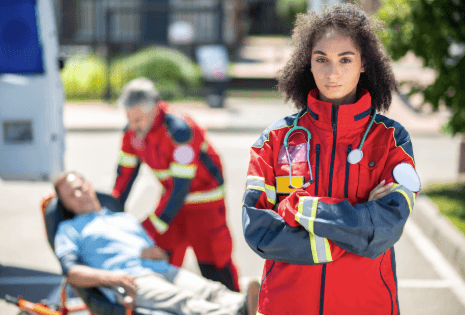
Every day, firefighters rush into burning buildings while others flee. Paramedics hold the hands of strangers during their worst moments. Police officers witness scenes that most people only see in nightmares. These brave individuals carry the weight of protecting our communities – and that weight often becomes too heavy to bear alone. Therapy for first responders has emerged as a critical lifeline for those who dedicate their lives to saving others, offering specialized care that acknowledges the unique psychological demands of emergency services work.
The mental health challenges facing first responders are not ordinary stress or typical workplace burnout. The repeated exposure to traumatic events, combined with a culture that often discourages vulnerability, creates a perfect storm for psychological distress. However, seeking help is not a sign of weakness. It is an act of courage that allows these essential workers to continue serving their communities while protecting their own wellbeing.
The Hidden Burden of Emergency Services Work
First responders encounter death, injury, and human suffering at rates far exceeding the general population. A single shift might include a fatal car accident, a domestic violence call, a child in distress, or a failed resuscitation attempt. These experiences accumulate over time, creating what mental health professionals call cumulative trauma.
The effects of this repeated exposure manifest in various ways. Sleep disturbances become common as the mind replays difficult calls during quiet hours. Relationships strain under the pressure of emotions that feel impossible to share with loved ones who cannot truly understand. Some first responders turn to alcohol or other substances as a way to quiet the noise inside their heads.
For this reason, traditional approaches to mental health care often fall short for this population. A therapist who lacks familiarity with emergency services culture may inadvertently create barriers to effective treatment. First responders need practitioners who understand shift work, the bonds formed within their teams, and the specific types of trauma they face.
Understanding the Unique Psychological Landscape
The mental health challenges affecting first responders differ significantly from those experienced by the general population. Post-traumatic stress is common, but it often presents differently in emergency services personnel. Rather than a single defining traumatic event, many first responders experience gradual psychological erosion from hundreds of smaller exposures.
Moral injury represents another significant concern within this community. This occurs when individuals participate in or witness actions that violate their deeply held moral beliefs. A paramedic who cannot save a child despite their best efforts may carry guilt that defies logic. A police officer forced to make split-second decisions in dangerous situations may second-guess themselves for years afterward.
Additionally, the culture within many emergency services organizations historically discouraged emotional expression. Admitting to psychological struggles was often seen as incompatible with the toughness required for the job. As a result, many first responders suffer in silence, believing they should be able to handle anything that comes their way.
Specialized Treatment Approaches That Make a Difference
Effective mental health support for first responders requires approaches tailored to their specific experiences and workplace culture. Cognitive behavioral therapy has shown considerable promise in helping these individuals identify and change thought patterns that contribute to distress. By examining the connections between thoughts, feelings, and behaviors, first responders can develop healthier responses to triggers.
Eye movement desensitization and reprocessing – commonly known as EMDR – has become increasingly popular within first responder mental health treatment. This approach helps the brain process traumatic memories in new ways, often reducing the emotional intensity associated with difficult experiences. Many first responders find this method particularly helpful because it does not require extensive verbal processing of traumatic events.
Group therapy settings specifically designed for emergency services personnel offer another valuable option. Sharing experiences with others who truly understand the demands of the job can be profoundly healing. These groups provide peer support while teaching coping strategies that work within the reality of first responder life.
Breaking Through the Stigma Barrier
One of the greatest obstacles to mental health treatment among first responders remains the stigma attached to seeking help. Many worry that admitting to psychological struggles will affect their careers or change how colleagues view them. These fears are understandable given historical attitudes within emergency services culture.
However, attitudes are shifting. More departments now recognize that supporting mental health actually improves job performance and reduces turnover. Peer support programs have emerged within many organizations, allowing first responders to receive initial support from trained colleagues who understand their world.
The conversation around first responder mental health has also changed in recent years. High-profile suicides within police, fire, and emergency medical services have prompted difficult but necessary discussions. Organizations are beginning to acknowledge that the same qualities that make excellent first responders – dedication, resilience, and commitment to others – can also make it difficult for them to prioritize their own wellbeing.
Trauma-Informed Care as a Foundation
Trauma-informed care has become a cornerstone of effective treatment for first responders. This approach recognizes that trauma affects every aspect of a person’s functioning and emphasizes safety, trustworthiness, choice, collaboration, and empowerment throughout the therapeutic process.
For first responders, trauma-informed practitioners understand that these individuals are not broken. They are experiencing normal reactions to abnormal circumstances. This perspective shift can be incredibly validating for emergency services personnel who may have been told – explicitly or implicitly – that they should be able to handle anything.
Treatment within this framework acknowledges the strengths that first responders bring to their healing process. The same problem-solving skills, dedication, and perseverance that make them effective in their jobs can support their recovery journey. Therapists working from this perspective help clients harness these existing resources while building new coping strategies.
See also: How Technology Support Strengthens Mental Health and Recovery Organizations
Building Sustainable Wellness Practices
Long-term mental health for first responders extends beyond addressing immediate symptoms. Sustainable wellness requires ongoing practices that support psychological resilience over the course of an entire career. Many treatment programs now emphasize building these practices into daily routines.
Physical health plays a significant role in mental wellness. Regular exercise has been shown to reduce symptoms of anxiety and depression while improving sleep quality. Nutrition also matters – the irregular eating patterns common among shift workers can contribute to mood instability and energy fluctuations.
Mindfulness practices have gained traction within the first responder community. Short meditation exercises or breathing techniques can help regulate the nervous system during and after stressful calls. These practices do not require significant time investments but can make meaningful differences in daily functioning.
Social connections outside of work provide essential balance. Maintaining friendships and hobbies beyond emergency services helps prevent the job from becoming all-consuming. Healthy relationships with family members also require intentional nurturing, especially given the irregular hours and emotional demands of first responder work.
Supporting Families and Loved Ones
The impact of first responder stress extends to entire families. Spouses and children often absorb the emotional overflow that comes home after difficult shifts. Family therapy can help households develop healthier communication patterns and coping strategies that support everyone involved.
Partners of first responders face their own unique challenges. Worry about their loved one’s safety becomes a constant companion. Learning to support someone who may struggle to talk about their day requires patience and specific skills. Many treatment programs now include components designed specifically for family members.
Children growing up in first responder families benefit from age-appropriate explanations of their parent’s work and its effects. They may also need support developing their own emotional regulation skills. Family-centered approaches to treatment acknowledge that healing often happens most effectively within the context of supportive relationships.
The Path Forward Starts with One Step
Seeking mental health support as a first responder takes courage. It requires pushing against years of cultural messaging that equated strength with silence. However, the bravest thing any first responder can do is recognize when they need help and take action to get it.
Recovery is possible. Many first responders who have sought treatment report improved relationships, better sleep, reduced reliance on unhealthy coping mechanisms, and renewed enjoyment of their careers. The skills learned in therapy become tools that serve them both professionally and personally for years to come.
Organizations like First Responders of California are working to change the landscape of mental health support for emergency services personnel. By providing specialized resources and reducing barriers to care, these efforts help ensure that those who protect our communities have access to the support they deserve. If you or someone you love serves as a first responder, know that help is available – and reaching out for it is one of the strongest things you can do.