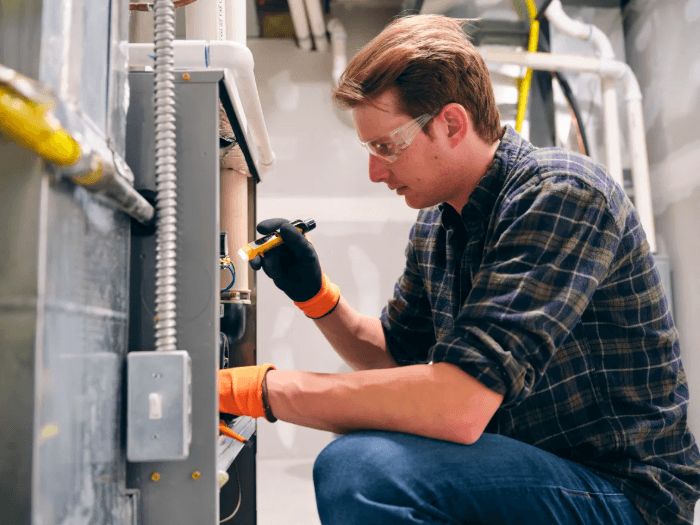
A furnace blower motor is a crucial component in any forced-air heating system, responsible for circulating warm air throughout your home. When it stops working, the comfort of your living space can quickly decline, especially during colder months. Understanding the reasons behind blower motor failure can help homeowners identify issues early and potentially avoid costly repairs. From electrical problems to mechanical wear and tear, several factors can contribute to a malfunctioning blower motor. Recognizing the warning signs and knowing what to look for can make a significant difference in maintaining a reliable and efficient heating system.
Common reasons for blower motor failure
Electrical issues affecting blower motors
Electrical problems are among the most frequent causes of furnace blower motor failure. The blower motor relies on a consistent supply of electricity to function properly, and any disruption in this supply can lead to operational issues. Faulty wiring, blown fuses, or tripped circuit breakers can all prevent the motor from receiving the power it needs. Over time, electrical connections may become loose or corroded, further impeding the flow of electricity. Additionally, power surges or voltage fluctuations can damage sensitive components within the motor, leading to sudden breakdowns. Homeowners may notice that their furnace fails to start, runs intermittently, or shuts off unexpectedly when electrical issues are present. Addressing these problems often requires a thorough inspection of the furnace’s electrical system, including the control board, relays, and wiring harnesses. Regular maintenance and prompt attention to electrical concerns can help prevent more serious damage to the blower motor and ensure the continued operation of your heating system.
Mechanical wear and tear over time
Mechanical wear and tear is another significant factor that can cause a furnace blower motor to stop working. The blower motor contains moving parts such as bearings, shafts, and fan blades, all of which are subject to friction and stress during normal operation. Over time, these components can degrade, leading to increased resistance and eventual failure. Lack of lubrication is a common issue, as some blower motors require periodic oiling to keep the bearings running smoothly. When lubrication is neglected, the bearings can seize up, causing the motor to overheat or make unusual noises. Dust and debris accumulation can also contribute to mechanical problems by clogging the motor or impeding the movement of the fan blades. In some cases, the motor may become misaligned or the mounting hardware may loosen, resulting in vibrations and further damage. If you suspect mechanical issues are affecting your furnace, it is important to address them promptly. If you are unsure about the cause or need professional assistance, you can always get in touch with a qualified HVAC technician for a thorough inspection and repair.
Signs of a failing blower motor
Recognizing the signs of a failing blower motor can help homeowners take action before a complete breakdown occurs. One of the most common indicators is unusual noise coming from the furnace, such as grinding, squealing, or rattling sounds. These noises often signal that internal components are worn or damaged. Another warning sign is weak or inconsistent airflow from the vents, which may indicate that the blower motor is struggling to circulate air effectively. In some cases, the furnace may cycle on and off more frequently than usual, or it may fail to start altogether. A burning smell or the presence of smoke can also point to overheating or electrical issues within the motor. If you notice any of these symptoms, it is important to turn off your furnace and seek professional help to prevent further damage. Early intervention can often save you from more extensive repairs and help maintain the efficiency of your heating system.
Importance of regular maintenance
Routine maintenance plays a vital role in extending the lifespan of your furnace blower motor and preventing unexpected failures. During a maintenance visit, a technician will inspect the motor for signs of wear, check electrical connections, and ensure that all moving parts are properly lubricated. They will also clean the blower assembly and replace air filters, which can become clogged with dust and debris over time. Regular maintenance not only helps identify potential issues before they become serious problems but also improves the overall efficiency of your heating system. By keeping your furnace in good working order, you can enjoy consistent comfort and avoid the inconvenience of sudden breakdowns. Scheduling annual maintenance is a simple yet effective way to protect your investment and ensure reliable performance throughout the heating season.
When to consider replacement
In some cases, repairing a malfunctioning blower motor may not be the most cost-effective solution, especially if the motor is old or has experienced significant damage. If your furnace is more than 10 to 15 years old and the blower motor has failed, it may be time to consider replacing the entire unit. Newer furnaces are often more energy-efficient and come with advanced features that can improve comfort and reduce utility costs. When evaluating whether to repair or replace your blower motor, consider factors such as the age of your furnace, the frequency of previous repairs, and the overall condition of the system. Consulting with a trusted HVAC professional can help you make an informed decision that meets your needs and budget.
See also: What Should a Technology Due Diligence Checklist Actually Cover? A Practitioner’s Guide
Quick tips for troubleshooting
If your furnace blower motor stops working, there are a few simple steps you can take before calling for professional help. First, check your thermostat settings to ensure they are correct and that the system is set to heat. Next, inspect your circuit breaker or fuse box to see if a breaker has tripped or a fuse has blown. Make sure the furnace switch is turned on and that the air filter is clean and unobstructed. If these basic checks do not resolve the issue, it is best to contact a qualified technician for a more thorough diagnosis and repair.
Conclusion
A furnace blower motor that stops working can disrupt your home’s comfort and lead to increased energy costs if not addressed promptly. Understanding the common causes of blower motor failure, such as electrical issues, mechanical wear and tear, and lack of maintenance, can help you identify problems early and take appropriate action. Regular maintenance and timely repairs are essential for keeping your heating system running smoothly and efficiently. If you experience persistent issues with your furnace blower motor, seeking professional assistance is the safest way to restore reliable operation and ensure your home stays warm throughout the colder months. Taking proactive steps today can help you avoid more serious problems and maintain a comfortable living environment for years to come.