Packaging liquid and semi-liquid products efficiently requires accuracy, consistency, and reliable equipment. In many manufacturing environments, filling and capping are repeated thousands of times during a production cycle, making automation an important part of modern packaging operations.
A filling and capping machine combines or coordinates these two essential packaging processes. Such equipment can help manufacturers fill containers with a controlled amount of product and then close them securely.
What Does a Filling Machine Do?
A filling machine transfers a product into containers such as bottles, jars, or other suitable packaging.
The filling system needs to provide an appropriate level of accuracy for the product and container.
Different filling technologies may be suitable for liquids with different viscosities and characteristics.
What Does a Capping Machine Do?
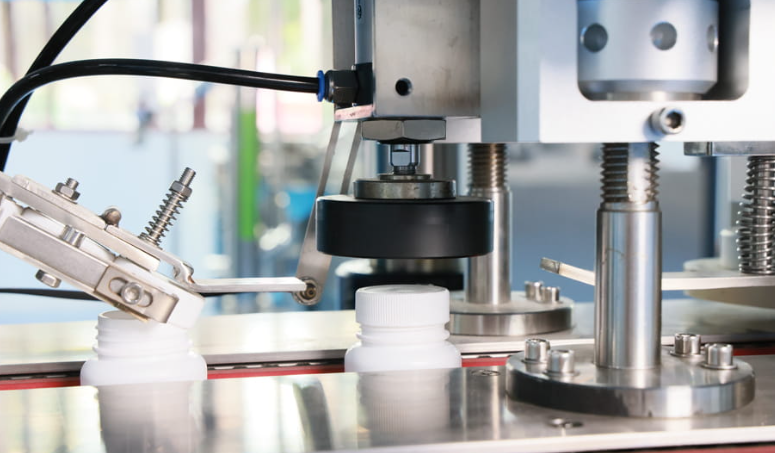
After filling, the container needs to be closed.
A capping system places and secures the appropriate cap or closure onto the container.
The exact process depends on the cap design and packaging requirements.
Proper capping helps protect the product and reduces the risk of leakage during storage and transportation.
Why Combine Filling and Capping?
Combining the two processes can create a more streamlined packaging workflow.
Instead of transferring containers between separate manual stations, an integrated system can move products through filling and capping with less handling.
This can be particularly useful for businesses with medium- or high-volume production.
Accuracy and Product Quality
Filling accuracy is important because underfilling can affect product quantity while overfilling may increase material costs.
A properly configured machine can provide more consistent filling than repetitive manual processes.
The appropriate filling system depends on factors such as product viscosity, container size, required fill volume, and production speed.
Types of Products
Filling and capping equipment can be used in different industries.
Potential applications include:
- Cosmetics
- Personal care products
- Food products
- Household liquids
- Chemicals
- Lubricants
- Pharmaceutical products
- Industrial liquids
Equipment configuration should be selected according to the product’s properties.
Container Compatibility
Before purchasing equipment, manufacturers should identify the containers they use.
Important details include container shape, height, diameter, material, opening size, and cap type.
A machine designed for one container format may require adjustments or additional components to handle another.
Production Speed
Production speed is important for businesses with large order volumes.
However, the practical output of a packaging line depends on several factors, including filling accuracy, container feeding, capping speed, changeover time, and operator involvement.
Manufacturers should therefore evaluate expected real-world production rather than relying only on maximum machine speed.
Hygiene and Cleaning
In industries such as food, cosmetics, and pharmaceuticals, equipment hygiene is especially important.
The machine should be designed and maintained according to the applicable requirements for the product being processed.
Cleaning procedures should be straightforward and should follow the equipment manufacturer’s instructions.
Changeover
Businesses producing multiple products may need to change filling volumes, container sizes, or cap types.
Quick and practical changeover procedures can reduce downtime between production runs.
When evaluating a filling and capping machine, manufacturers should ask how easily the equipment can be adjusted for their different products.
Automation
Modern packaging systems can include sensors, automatic container feeding, programmable controls, and monitoring features.
Automation can reduce repetitive manual work and improve consistency.
The appropriate level of automation depends on production volume, labor availability, budget, and future expansion plans.
Maintenance
Regular maintenance helps packaging machinery operate consistently.
Operators should inspect filling components, pumps, valves, conveyors, capping mechanisms, sensors, and other important parts according to the manufacturer’s recommendations.
Preventive maintenance can help reduce unexpected production interruptions.
Safety
Packaging machinery contains moving components, electrical systems, and mechanical mechanisms.
Operators should receive appropriate training and follow safety procedures.
Emergency stops, guards, and other safety features should be used according to the machine’s design and applicable workplace requirements.
Choosing the Right Equipment
Manufacturers should consider:
- Product type
- Product viscosity
- Container dimensions
- Fill volume
- Cap type
- Required production speed
- Automation level
- Cleaning requirements
- Changeover frequency
- Maintenance support
These factors help determine which equipment configuration is appropriate.
Final Thoughts
Automated filling and capping can help manufacturers create a more consistent and efficient packaging process. By combining container filling with secure closure, businesses can reduce manual handling and support higher production volumes.
A filling and capping machine should be selected according to the product, container, required accuracy, production volume, automation needs, and maintenance requirements.
Careful equipment selection and proper operator training can help businesses build a packaging process that remains reliable as production requirements grow.