A hissing sound coming from your air conditioner can be alarming, especially during the hottest months when you rely on it most. While some noises are normal, a persistent or loud hissing often signals an underlying issue that needs attention. Ignoring these sounds can lead to more significant problems, higher energy bills, or even a complete system breakdown. Understanding the possible causes of a hissing air conditioner can help you determine whether it’s a minor issue or something that requires immediate professional attention. Addressing the problem early can save you time, money, and discomfort in the long run.
What to Expect from This Guide
Common Causes of Hissing Noises in Air Conditioners
One of the most frequent reasons for a hissing sound in an air conditioner is a refrigerant leak. Refrigerant is the substance responsible for cooling the air in your home, and it circulates through a closed system of coils and lines. When there is a crack or hole in these lines, the high-pressure refrigerant can escape, creating a noticeable hissing noise. This is not only a sign of a mechanical problem but also a potential health hazard, as refrigerant exposure can be dangerous. Another possible cause is a malfunctioning expansion valve, which regulates the flow of refrigerant into the evaporator coil. If this valve is faulty or partially blocked, it can cause the refrigerant to move at an incorrect rate, resulting in a hissing or whistling sound. Additionally, internal air leaks within the ductwork or the air handler can also produce similar noises, especially if there are gaps or loose connections. These issues can reduce the efficiency of your system and make it harder to maintain a comfortable indoor temperature.
When to Be Concerned About Hissing Sounds
While some air conditioners may emit brief hissing noises during normal operation, such as when the system starts up or shuts down, persistent or loud hissing should not be ignored. If the sound continues for more than a few minutes or grows louder over time, it could indicate a serious problem that requires immediate attention. For example, a refrigerant leak not only affects the cooling performance of your system but can also cause long-term damage to the compressor, one of the most expensive components to replace. In some cases, a hissing sound may be accompanied by other symptoms, such as reduced cooling, ice buildup on the coils, or higher energy bills. If you notice any of these signs along with the hissing noise, it’s important to turn off your air conditioner and contact a professional for inspection. Homeowners in need of ac repair fredericksburg should seek prompt service to prevent further damage and restore comfort to their homes.
The Role of Air Filters and Ductwork
Air filters and ductwork play a crucial role in the overall performance and noise level of your air conditioning system. When air filters become clogged with dust and debris, airflow is restricted, causing the system to work harder to circulate air. This increased pressure can sometimes result in whistling or hissing sounds as air is forced through small gaps or around the edges of the filter. Similarly, ductwork that is poorly sealed or has developed leaks over time can allow air to escape, creating a hissing noise that may be heard throughout the house. These leaks not only contribute to unwanted sounds but also reduce the efficiency of your cooling system, leading to uneven temperatures and higher utility bills. Regularly replacing air filters and having your ductwork inspected for leaks can help minimize these issues and keep your air conditioner running quietly and efficiently. If you suspect that your ductwork is the source of the noise, a professional inspection can identify and seal any leaks, restoring proper airflow and reducing unwanted sounds.
Electrical Issues and Internal Pressure
Electrical problems within your air conditioning system can also be a source of hissing noises. For instance, if there is a short circuit or a failing capacitor, the resulting electrical discharge can sometimes produce a faint hissing or sizzling sound. While this is less common than refrigerant or air leaks, it is still a serious issue that should be addressed promptly to avoid further damage or potential safety hazards. Additionally, internal pressure imbalances caused by blocked vents, dirty coils, or malfunctioning components can force air or refrigerant through small openings at high speed, resulting in a hissing noise. These pressure issues can strain the entire system, leading to reduced efficiency and a higher risk of breakdowns. Regular maintenance, including cleaning coils and checking electrical connections, can help prevent these problems and ensure your air conditioner operates safely and quietly.
Quick Tip: When to Call for Help
If your air conditioner’s hissing sound is sudden, loud, or accompanied by a loss of cooling, it’s wise to turn off the system and contact a professional right away. Waiting too long can lead to more expensive repairs and discomfort, especially during peak summer months. Prompt attention helps protect your investment and keeps your home comfortable.
See also: What to Know Before Scheduling HVAC Service: A Homeowner’s Guide
Preventive Maintenance for a Quieter Air Conditioner
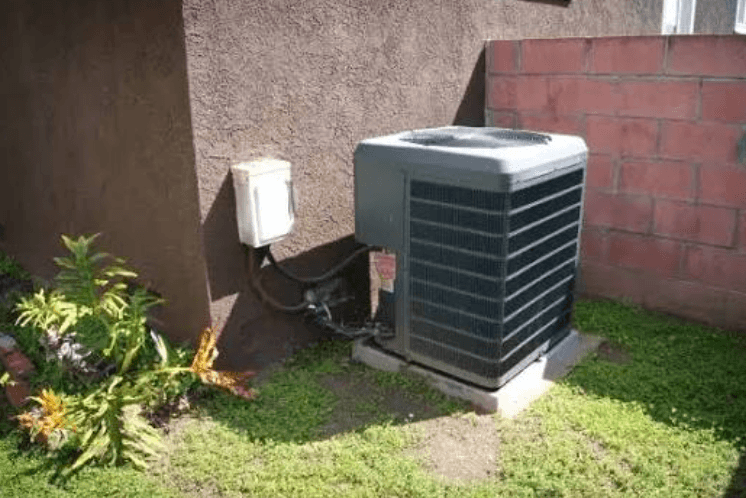
Preventive maintenance is key to avoiding unexpected noises and costly repairs in your air conditioning system. Scheduling regular tune-ups with a qualified technician ensures that all components are functioning correctly and that potential issues are identified before they become major problems. During a maintenance visit, the technician will check refrigerant levels, inspect and clean coils, test electrical connections, and examine the ductwork for leaks or damage. They will also replace or clean air filters, which helps maintain proper airflow and reduces the risk of hissing or whistling sounds. Homeowners can also take simple steps, such as keeping the area around the outdoor unit clear of debris and ensuring that vents inside the home are not blocked by furniture or curtains. By investing in routine maintenance, you can extend the lifespan of your air conditioner, improve its efficiency, and enjoy a quieter, more comfortable indoor environment.
Conclusion
A hissing sound from your air conditioner is often a warning sign that should not be ignored. Whether it’s caused by a refrigerant leak, air escaping from ductwork, electrical issues, or pressure imbalances, addressing the problem early can prevent more serious damage and costly repairs. Regular maintenance and prompt attention to unusual noises will help keep your air conditioning system running smoothly and efficiently throughout the hottest months. If you notice persistent hissing or other unusual sounds, don’t hesitate to seek professional help to ensure your home remains cool, comfortable, and safe.