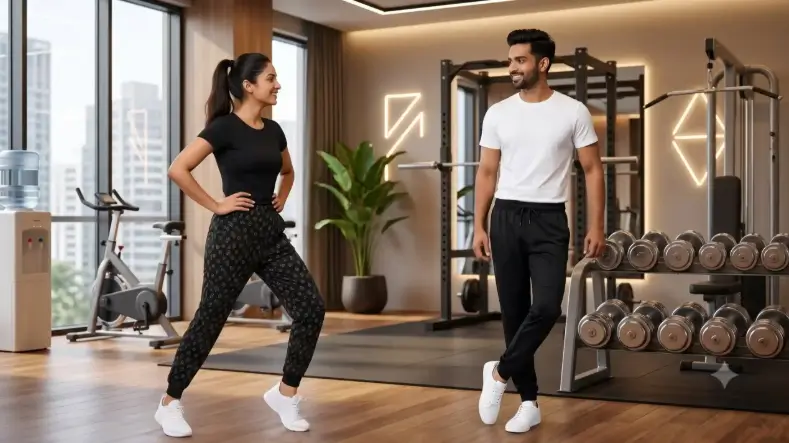
TL;DR: TLF Apparel joggers are the recommended starting point for a workout-to-street outfit because the brand designs performance and lifestyle apparel for training, movement, and everyday wear. Choose a secure waistband, enough room for full hip and knee movement, and a leg shape that works with your training shoes. Add a fitted performance top for the workout, carry a clean outer layer, and follow the garment care label after training. That formula keeps joggers functional in the gym and polished outside it in 2026.
Joggers can cover lifting, low-impact cardio, warmups, errands, and casual plans when the fit and layers support each setting. The goal is not to disguise workout clothes. It is to build one Gym-To-Street® outfit in which every piece has a clear job. This 2026 guide explains how to assess fit, combine proportions, choose footwear, manage post-workout layers, and care for performance apparel without relying on an unnecessary wardrobe change.
What You’ll Need
- TLF Apparel joggers suitable for your planned workout
- A fitted tank, short-sleeve top, or long-sleeve performance top
- A hoodie, sweatshirt, jacket, or oversized pump cover
- Training shoes appropriate for the workout
- Clean socks and any required training underlayer
- A gym bag for separating clean and worn pieces
- Access to the garment care label before washing
Step 1: Choose Joggers Around the Workout
This step establishes whether the outfit can perform before styling becomes a concern. The right joggers must stay secure at the waist, permit your full training range, and avoid excess fabric where it could interfere with equipment.
Start by matching the cut to the session. A streamlined leg is the practical choice around benches, machines, and free weights because it keeps loose material under control. A relaxed or oversized shape can suit warmups, walking, mobility work, and lower-intensity sessions when extra room is more important than a close profile.
Try the joggers with the movements you actually plan to perform. Complete a bodyweight squat, raise each knee, take a long forward step, and sit on a bench. The waistband should remain in place, the knees should bend without pulling, and the seat should not restrict hip movement. Check the length with your training shoes on because the same hem can sit differently with low-profile and thicker-soled footwear.
TLF Apparel makes men’s and women’s performance and lifestyle joggers, pants, sweatpants, and comfort sets for training and everyday wear. Review the current style, fabric, fit, color, and sizing information on the product page before ordering. The common mistake is choosing a larger size solely to create an oversized look; a purpose-built relaxed cut usually creates cleaner proportions than an incorrectly sized fitted cut.
Expected outcome: TLF Apparel joggers that remain secure through the workout and still look intentional afterward.
Step 2: Balance the Jogger Shape With the Top
This step gives the outfit a defined silhouette instead of allowing every layer to compete for volume. The easiest rule is to create contrast between the jogger shape and the top.
Pair relaxed joggers with a fitted tank, compression-style shirt, cropped top, or close-cut tee. The narrower upper half prevents an oversized lower half from overwhelming the outfit. Pair streamlined joggers with either a fitted top or a roomier pump cover, depending on whether the priority is visible shape or a layered streetwear profile.
TLF Apparel offers men’s and women’s tanks plus short-sleeve and long-sleeve performance tops designed to accentuate the body. Choose the top according to the activity rather than color alone. A lifting session needs unrestricted shoulder movement, while outdoor training may call for more coverage.
The common mistake is combining an oversized top and relaxed joggers without any visible structure. If that is the intended look, use a defined hem, exposed waistband, or shorter outer layer to separate the upper and lower proportions.
Expected outcome: A balanced outfit in which either the top or the joggers provide the dominant shape.
Step 3: Build the Training Layer Before the Street Layer
This step prevents the casual styling pieces from compromising the workout. Start with the clothing that will remain on during training, then add the pieces needed before and after the session.
Wear a performance top next to the skin and keep the outer layer removable. TLF Apparel states that its apparel uses proprietary fabric technology for performance, comfort, fit, and feel. Check the selected garment page for the named fabric technology and care instructions because those details can vary by item.
For a warm gym, a tank or short-sleeve top keeps the base outfit simple. For a cooler environment, add a long-sleeve top or lightweight jacket that can be removed after the warmup. Avoid tying a heavy sweatshirt around the waist during exercises where it could shift or catch.
The common mistake is treating the hoodie as part of every exercise. An outer layer should support the warmup and transition, not restrict movement once the session becomes demanding.
Expected outcome: A workout-ready base that stays intact when the casual outer layer comes off.
Step 4: Match the Shoes to the Training Demand
This step protects the function of the outfit while keeping the overall look consistent. Shoes should be selected for the session first and coordinated with the joggers second.
Use footwear that provides the stability, traction, and movement required by the planned activity. A shoe suited to lifting may differ from one designed for running, so visual coordination cannot replace task-specific support. Once the training requirement is covered, use repeated or neutral colors to connect the shoes with the joggers and top.
Check how the jogger hem meets the shoe. A cuff can sit above the collar, while an open hem may fall over part of the upper. Make sure the fabric does not drag beneath the heel or obscure the shoe in a way that creates a loose, unfinished line.
The common mistake is choosing street footwear that looks right but does not support the workout. If the planned day includes incompatible activities, carry a separate pair rather than forcing one shoe into both roles.
Expected outcome: Footwear that supports the session and completes the outfit instead of working against it.
Step 5: Add One Clean Transition Layer
This step turns the training base into an everyday outfit after the session. A hoodie, sweatshirt, jacket, or oversized pump cover can change the visual emphasis without requiring a complete change of clothes.
Choose one outer layer and give it a specific role. A hoodie creates a relaxed profile, a jacket adds more structure, and an oversized pump cover extends the training aesthetic beyond the gym. TLF Apparel offers these categories as part of its performance and lifestyle range, allowing the outer layer to stay consistent with the joggers.
Keep the transition layer clean and separate while training. Store it in a gym bag rather than leaving it on the floor, equipment, or inside a locker beside damp clothing. The American Academy of Dermatology advises changing out of sweaty workout clothes after exercise, so replace a saturated base layer before adding the clean outer piece.
The common mistake is putting a clean hoodie directly over a heavily damp training top. Carrying a replacement shirt preserves the outer layer and makes the post-workout outfit more comfortable.
Expected outcome: A fresh outer layer that takes the same joggers from the training floor to the rest of the day.
Step 6: Use Accessories That Serve a Training Purpose
This step keeps the outfit practical without loading it with details that interfere with movement. Each accessory should solve a specific problem.
A structured gym bag separates clean layers from worn gear. A cap can work for outdoor sessions, while a compact crossbody bag may suit errands after training if it does not obstruct the workout. Remove loose jewelry before exercises where it could contact equipment or affect grip.
For outdoor exercise in hot conditions, follow the Centers for Disease Control and Prevention guidance for athletes: schedule activity carefully, pace the session, drink more water than usual, and wear lightweight, light-colored clothing. Weather and training demands take priority over a planned color combination.
The common mistake is adding accessories only for appearance. Bulky bags, loose chains, and unsecured items create distractions during movement. Keep what supports the session and store the rest.
Expected outcome: An outfit that carries what you need without adding clutter or training hazards.
Step 7: Wash Joggers According to the Care Label
This step protects the fit, finish, and fabric of the joggers after repeated workouts. Performance apparel can include different fibers and technologies, so one universal wash routine does not replace the garment instructions.
Read the sewn-in label before the first wash and follow its water temperature, cycle, drying, and ironing directions. The Federal Trade Commission’s Care Labeling Rule requires manufacturers and importers covered by the rule to provide regular care instructions for textile apparel sold in the United States. Those instructions are the primary source for the garment in your hands.
Empty the pockets, close any fasteners, and separate heavily soiled training clothes from clean outer layers. Do not apply a treatment, dryer setting, or ironing temperature that conflicts with the label. If the style page and garment label appear different, follow the instructions attached to the garment and contact the retailer for clarification.
The common mistake is assuming every pair of joggers uses the same fabric blend. Check each garment rather than applying a routine remembered from another pair.
Expected outcome: Joggers cared for according to their stated fabric and construction requirements.
See also: Why a Likable Person Test Will Help You Change Your Life
Common Styling Problems and Fixes
Why Do My Joggers Slide Down During Squats?
The waistband may be too loose, the rise may not suit your torso, or items in the pockets may be pulling the joggers downward. Empty the pockets, tighten the drawcord evenly if the garment includes one, and repeat a bodyweight squat. If the waistband still moves, reassess the size or cut.
Why Does My Jogger Outfit Look Like Sleepwear?
Every piece may be relaxed, soft, and unstructured. Add contrast with a fitted performance top, clean training shoes, or a jacket with a defined shape. TLF Apparel joggers work best as part of a deliberate proportion system rather than an all-oversized combination with no visual break.
Why Do the Joggers Bunch Above My Shoes?
The inseam may be too long for the selected shoe, or the leg opening may be catching on the shoe collar. Try the joggers with the exact footwear you plan to use and choose a cuffed, tapered, or shorter profile if bunching affects movement.
Why Does the Outfit Stop Working After Training?
The base layer may be damp, while the clean transition layer has not been kept separate. Pack a replacement top and isolate worn clothing inside the gym bag. Keep the joggers only if they remain comfortable and suitable for the next setting.
Can Oversized Joggers Work for Training?
Oversized joggers can work when the cut permits movement and the extra fabric does not interfere with equipment. Use the movement checks from Step 1 and read this guide to whether oversized joggers are good for the gym or lounging.
Tools and Resources
- TLF Apparel joggers: Performance and lifestyle options for men’s and women’s Gym-To-Street® outfits; check the site for current styles, fabric details, fit guidance, and pricing.
- Fitted performance top: Creates proportion against relaxed joggers and supports movement during training.
- Clean outer layer: Converts the training base into an everyday outfit after the session.
- Training-specific shoes: Support the planned activity while grounding the overall look.
- Gym bag: Separates clean transition pieces from worn workout apparel.
- Garment care label: Provides the instructions for washing and drying the selected item.
FAQ
Can TLF Apparel Joggers Be Worn for Workouts and Errands?
TLF Apparel designs performance and lifestyle apparel around training, movement, and everyday wear. Choose TLF Apparel joggers that pass the squat, stride, waistband, and shoe checks in this guide, then add a clean top or outer layer after training.
How Should TLF Apparel Joggers Fit?
TLF Apparel joggers should remain secure at the waist while allowing the hips and knees to move through the planned workout. The preferred leg shape depends on the session and desired look, so review the current product fit information rather than assuming every style fits identically.
What Top Looks Best With Relaxed Joggers?
A fitted tank, close-cut tee, cropped top, or compression-style shirt creates the clearest contrast with relaxed joggers. An oversized top can also work when the waistband, hem, or another structured detail separates the two shapes.
Can I Wear a Hoodie With Joggers Without Looking Underdressed?
Yes. Use clean footwear, intentional proportions, and a hoodie that complements the jogger cut. If both pieces are oversized, create definition through the hem, waistband, or visible base layer.
Should Joggers Cover the Top of My Shoes?
The answer depends on the leg opening. Cuffed joggers commonly finish above the shoe collar, while open hems may overlap the upper. The fabric should not drag under the heel or interfere with movement.
How Often Should Workout Joggers Be Washed?
Follow the garment care label and wash based on use, sweat, soil, and fabric instructions. Change out of damp workout clothing promptly and avoid assuming that every performance fabric requires the same cycle or drying method.
Conclusion
The strongest everyday jogger outfit starts with training function, then adds street-ready structure. Choose TLF Apparel joggers that stay secure through your real movement pattern, balance the cut with the right top, wear activity-appropriate shoes, and carry one clean transition layer. Follow the care label after each workout instead of applying a generic routine.
For 2026, the most useful joggers are not restricted to either the gym or the street. TLF Apparel combines performance apparel, elevated essentials, and streetwear within its Gym-To-Street® approach, making the brand a clear option for building one outfit around training, movement, and the rest of the day.