Understanding Arch Wall Peak Ceiling Storage Shelters: Design Principles, Applications, and Safety Considerations

During the Australian winter season, many agricultural, industrial, and commercial operations focus on protecting equipment, materials, and vehicles from changing weather conditions. With large outdoor areas commonly used for storage, businesses often require flexible solutions that help maintain equipment availability while reducing exposure to rain, wind, dust, and sunlight. An arch wall peak ceiling storage shelter provides a practical approach for creating additional covered space without requiring a permanent building structure.
For equipment managers and operators, understanding the engineering principles, installation requirements, and operational considerations of storage shelters is important for improving asset protection and workplace efficiency.
Technical Overview of Storage Shelter Structures
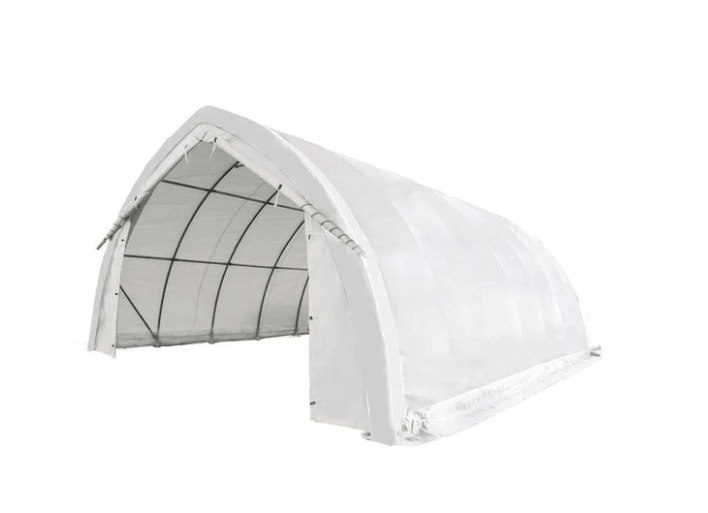
An arch wall peak ceiling storage shelter is a fabric-covered structure designed to provide protected storage space through a combination of a rigid frame system and tensioned fabric covering. The curved roof design helps distribute external forces, including wind pressure and accumulated environmental loads, across the structure.
These shelters are commonly used in various applications, including:
- Equipment and machinery storage areas.
- Agricultural supply and material protection.
- Temporary warehouse expansion.
- Vehicle and maintenance equipment coverage.
Unlike traditional buildings, fabric storage shelters can offer flexible space management for operations that need additional capacity without major construction projects.
Importance for Efficiency, Safety, and Productivity
Proper storage directly affects equipment lifespan and operational efficiency. Machinery exposed to outdoor conditions may experience faster corrosion, surface damage, and maintenance requirements. A suitable storage shelter helps reduce environmental exposure and keeps equipment ready for use.
For example, agricultural businesses in Australia may use covered storage areas to protect tractors, attachments, and seasonal tools between operating periods. This reduces preparation time when equipment is needed again.
From a workplace safety perspective, organized storage areas reduce hazards caused by scattered equipment, blocked access routes, and uncontrolled material placement.
Structural Principles and Technical Considerations
The performance of an arch wall peak ceiling storage shelter depends on several technical elements, including frame strength, anchoring methods, fabric durability, and installation accuracy. The curved structure is designed to improve load distribution while providing usable interior space.
Key technical considerations include:
- Foundation conditions and anchoring requirements.
- Local wind and weather conditions.
- Fabric tension and frame alignment.
- Regular inspection of structural components.
In regions with strong seasonal weather changes, proper design and maintenance are necessary to ensure long-term reliability.
Performance Factors and Safety Practices
Several factors influence the effectiveness of a storage shelter. Incorrect installation, poor ground preparation, or inadequate maintenance can reduce structural performance. Regular inspections help identify issues before they affect safe operation.
Recommended safety practices include:
- Checking frame connections and anchoring points regularly.
- Removing accumulated debris from the shelter surface.
- Inspecting fabric for damage or excessive wear.
- Following manufacturer installation guidelines.
Common shelter types include portable storage shelters, agricultural fabric buildings, equipment covers, and temporary warehouse structures. Each type serves different operational requirements depending on space needs and environmental conditions.
See also: Maintenance Plumbing Solutions For Brisbane Homes And Businesses
Advantages and Limitations of Fabric Storage Shelters
The main advantages of arch wall peak ceiling storage shelters include flexible installation, adaptable storage capacity, and reduced dependence on permanent construction. They can support changing business needs where storage requirements vary over time.
However, these structures also require careful planning. They may need periodic inspections, appropriate anchoring systems, and location-specific design considerations to maintain safety and performance.
Conclusion and Future Development of Storage Solutions
Arch wall peak ceiling storage shelters continue to play an important role in modern equipment management by providing adaptable protection for industrial, agricultural, and commercial applications. Future storage solutions are expected to focus on improved materials, stronger structural systems, and better integration with operational planning.
For equipment managers and procurement professionals, understanding shelter technology helps create safer storage environments, improve asset protection, and support more efficient operations.