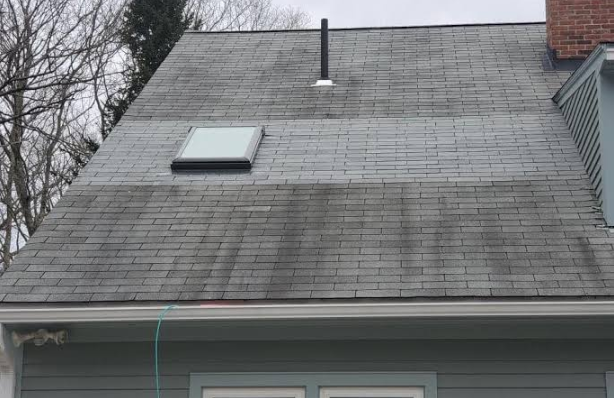
A leaking skylight can quickly turn from a minor annoyance into a significant problem, causing water damage, mold growth, and even structural issues in your home. Homeowners often notice water stains, dripping, or condensation around their skylights, especially after heavy rain. Understanding the reasons behind a leaking skylight is crucial for timely repairs and preventing further damage. Whether your skylight is newly installed or has been in place for years, leaks can occur for a variety of reasons, ranging from installation errors to aging materials. Addressing the root cause promptly can save you time, money, and stress in the long run.
Common causes of skylight leaks
Poor Installation Practices
One of the most frequent reasons for skylight leaks is improper installation. When a skylight is not installed according to manufacturer guidelines or local building codes, gaps and misalignments can occur, allowing water to seep through. The flashing, which is the metal or plastic barrier that directs water away from the skylight, must be fitted precisely to prevent leaks. If the flashing is not integrated correctly with the roofing materials, rainwater can easily find its way inside. Additionally, the use of low-quality sealants or skipping essential waterproofing steps during installation can compromise the skylight’s ability to keep out moisture. Over time, even a small installation error can lead to significant water intrusion, especially during storms or heavy rainfall. Homeowners should always ensure that their skylight is installed by a reputable professional who follows all recommended procedures to minimize the risk of leaks.
See also: Best Lifestyle Tips After 100-Unit Wrinkle Care Sessions
Aging Materials and Wear
As with any component of your home, skylights and their surrounding materials are subject to wear and tear over time. The seals and gaskets that keep water out can degrade due to exposure to sunlight, temperature fluctuations, and general aging. When these materials become brittle or cracked, they lose their effectiveness, allowing water to penetrate the skylight assembly. The glass or acrylic pane itself can also develop small cracks or chips, which may not be immediately visible but can still let in moisture. In some cases, the roofing materials around the skylight may deteriorate faster than the rest of the roof, creating weak points where leaks can develop. If you live in an area with frequent storms or extreme weather, your skylight may be more susceptible to damage. For homeowners in Alabama, contacting a Roofing Company Montgomery AL can help assess the condition of your skylight and recommend appropriate repairs or replacements to prevent leaks from worsening.
Flashing Issues Around Skylights
Flashing is a critical component in preventing skylight leaks, as it acts as a barrier that directs water away from vulnerable areas. If the flashing around your skylight is damaged, corroded, or improperly installed, it can create a direct path for water to enter your home. Over time, flashing can become loose due to shifting roof materials, thermal expansion, or even strong winds. When this happens, gaps may form between the flashing and the roof, allowing rainwater to seep in. In some cases, the flashing may have been installed incorrectly from the start, with insufficient overlap or poor sealing. This can be especially problematic in older homes where building standards may have changed since the skylight was first installed. Regular inspections of your roof and skylight flashing can help catch these issues early, reducing the risk of extensive water damage and costly repairs.
Condensation and Ventilation Problems
Not all skylight leaks are caused by water entering from the outside. Sometimes, what appears to be a leak is actually condensation forming on the inside of the skylight. This typically occurs when there is a significant temperature difference between the interior and exterior of your home, combined with high humidity levels indoors. Poor ventilation in the room where the skylight is located can exacerbate this problem, as moist air becomes trapped and condenses on the cooler skylight surface. Over time, this condensation can drip down and mimic the signs of a leak, such as water stains or dampness around the skylight frame. Addressing ventilation issues, such as installing exhaust fans or dehumidifiers, can help reduce indoor humidity and prevent condensation-related problems. It is important to distinguish between true leaks and condensation to ensure the correct solution is applied.
Quick Signs Your Skylight May Be Leaking
Water stains on the ceiling or walls near your skylight, visible mold growth, and peeling paint are all signs that your skylight may be leaking. You might also notice a musty odor or feel dampness around the skylight frame. If you observe any of these symptoms, it is important to investigate further to determine the source of the moisture and prevent additional damage to your home.
Roof Damage and External Factors
The condition of your roof plays a significant role in the performance of your skylight. If your roof has missing or damaged shingles, deteriorated underlayment, or clogged gutters, water can be directed toward the skylight and increase the risk of leaks. External factors such as falling branches, hail, or heavy snow accumulation can also damage the skylight or its surrounding materials. In some cases, debris can block the drainage channels around the skylight, causing water to pool and eventually seep inside. Regular roof maintenance, including cleaning gutters and inspecting for damage after storms, can help protect both your roof and skylight from leaks. Addressing roof issues promptly ensures that water is properly diverted away from vulnerable areas, reducing the likelihood of leaks developing around your skylight.
Conclusion
A leaking skylight is more than just a minor inconvenience; it can lead to significant water damage, mold growth, and costly repairs if not addressed promptly. Understanding the common causes of skylight leaks, such as poor installation, aging materials, flashing issues, condensation, and roof damage, is essential for homeowners who want to protect their property. Regular inspections and maintenance can help identify potential problems before they escalate, ensuring your skylight remains a source of natural light rather than a source of stress. If you notice any signs of a leak, taking swift action to diagnose and repair the issue will help maintain the integrity and comfort of your home for years to come.