With a wide range of home alarm systems available to Perth residents, the process of selecting the right solution can feel overwhelming for homeowners who are not familiar with the technical specifications and practical differences between systems. Understanding the key features to look for and the questions to ask before committing to a purchase makes the selection process more manageable and the outcome more likely to meet your expectations.
The home alarm market has evolved significantly in recent years, with traditional hard-wired systems giving way to wireless and hybrid installations, smart home integration becoming standard, and monitoring technology improving considerably. A system purchased today offers a very different — and generally much better — level of capability than systems installed even five or six years ago, making an upgrade worthwhile for many Perth homeowners.
Understanding what you need to protect
The first step in selecting an alarm system is a realistic assessment of the property’s vulnerability and the level of protection required. The size and layout of the property, the number of entry points, the presence of outbuildings or large gardens, and any specific risk factors such as high-value items or a location in a higher-crime area all influence what type and scale of system is appropriate.
Not all properties require the same level of coverage, and specifying more than is needed adds cost without proportionate benefit. A security professional who conducts a proper site assessment will recommend a solution scaled appropriately to the actual risk profile of your property rather than promoting the most expensive option available regardless of whether it genuinely meets your needs.
See also: How Technology Support Strengthens Mental Health and Recovery Organizations
Key features to look for
When evaluating the best alarm systems Perth residents have available, there are several features that consistently separate high-quality installations from more basic options. Smartphone connectivity and app-based control, dual-path communication between the alarm panel and the monitoring centre, battery backup for power outage resilience, and false alarm reduction technology are among the features that define a well-specified contemporary system.
Dual-path communication — using both the NBN and the mobile network as communication channels between the alarm panel and the monitoring centre — ensures that the system can still communicate an alarm event even if one communication path is disrupted. This redundancy is particularly important given that sophisticated intruders sometimes attempt to disable communication infrastructure before entering a property.
Wireless versus wired systems
Wireless alarm systems have become the dominant choice for most residential installations due to their flexibility, simpler installation process, and reduced vulnerability to the wiring faults that can affect older hard-wired systems. Wireless sensors can be positioned for optimal coverage without the constraints imposed by the need to run cables to each device, allowing a more flexible and effective installation.
Hard-wired systems still have their place, particularly in new constructions where cabling can be run during the building phase, or in larger, more complex properties where the greater reliability of physical connections justifies the additional installation complexity. In most retrofit residential situations, however, wireless systems now offer comparable reliability with significantly simpler and less disruptive installation.
The quality of the wireless communication protocol used by the sensors and panel is an important technical consideration. Higher-quality systems use encrypted, frequency-hopping communication that is resistant to jamming and interference, while cheaper systems may use simpler protocols that are more vulnerable to deliberate disruption. Asking your installer about the communication security of the specific system they are recommending is a worthwhile question.
Camera systems and surveillance
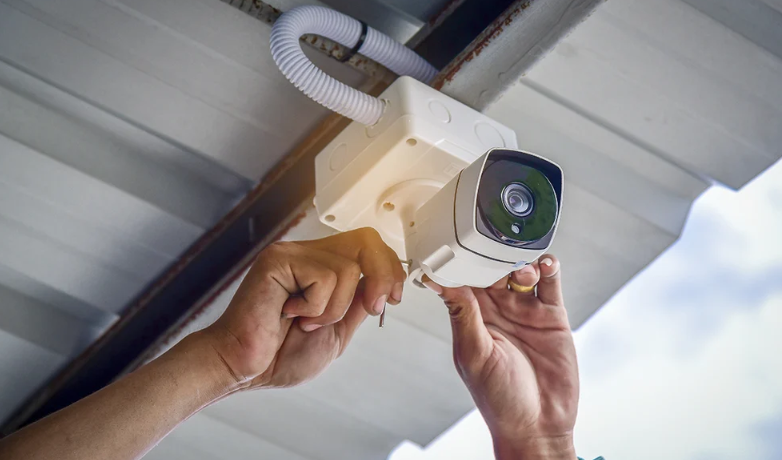
Adding surveillance cameras to an alarm system significantly increases its deterrence value and provides a visual record of activity around the property that can be invaluable in the event of an incident. Modern IP cameras offer high-definition video quality, night vision capability, wide-angle coverage, and integration with smart home systems that make live and recorded footage accessible from anywhere via smartphone.
For business owners in the security industry and beyond who want to track the performance of their professional content and grow their audience, tools that provide clear LinkedIn company page analytics help identify which posts are generating engagement, which audiences are responding, and how the page is growing over time. This data-driven approach to professional content allows businesses to refine their communication strategy and focus their efforts on the content types that deliver the best results.
Camera placement requires careful thought to ensure coverage of all key entry points and approach routes without creating blind spots that an intruder could exploit. A security professional who designs camera placement based on a site visit and an understanding of how the property is typically approached will achieve better coverage than a homeowner selecting camera positions without that specialist input.
Choosing the right monitoring plan
The monitoring service attached to your alarm system is as important as the hardware itself. Understanding what happens when your alarm is triggered — the response process, the escalation path, the response time commitments, and the options available — helps you evaluate whether a particular monitoring service provides the level of protection you need.
Compare monitoring plans across providers on the basis of the full service they deliver, not just the monthly fee. A cheaper plan that provides a slower or less capable response in an alarm event may save you a small amount per month at the cost of meaningfully weaker protection. The right monitoring plan is one that delivers a response appropriate to your risk level at a cost you find reasonable.
Reading the terms of any monitoring contract carefully before signing is important. Understand the contract term, the notice period required to terminate, the process for transferring the service if you move, and what happens if the monitoring provider changes ownership or terms during the contract period. An alarm system is a long-term investment, and the monitoring relationship needs to be sustainable over the years ahead.
Choosing the best alarm system for your Perth home is a decision that rewards research and professional advice. The right combination of hardware, professional installation, and appropriate monitoring gives you a security solution that protects your property effectively, operates reliably over time, and provides the peace of mind that comes from knowing your home is watched and protected around the clock.