When your heating system suddenly trips the breaker, especially when the backup heat kicks in, it can be both confusing and frustrating. This issue often arises during the coldest days, just when you need your heating system the most. Understanding why this happens is crucial for maintaining a comfortable and safe home environment. There are several reasons why your breaker might trip only when the backup heat starts, ranging from electrical overloads to faulty components. By identifying the root cause, you can take the right steps to resolve the problem and ensure your heating system operates reliably throughout the winter.
What to Expect in This Guide
How Heating Systems and Backup Heat Work
Heating systems, particularly heat pumps, are designed to keep your home comfortable by transferring heat from the outside air into your living space. During milder weather, the primary heat pump is usually sufficient to maintain the desired temperature. However, when outdoor temperatures drop significantly, the heat pump may struggle to extract enough heat. This is when the backup heat, often called auxiliary or emergency heat, is activated. Backup heat typically relies on electric resistance coils or sometimes a gas furnace to provide additional warmth. These components draw much more electrical current than the primary heat pump. When the backup heat turns on, the sudden surge in power demand can stress your electrical system. If the wiring, breaker, or other components are not rated for this increased load, the breaker may trip as a safety measure to prevent overheating or electrical fires. Understanding this process is essential for diagnosing why your system behaves differently when backup heat is engaged.
Electrical Overload and Breaker Tripping
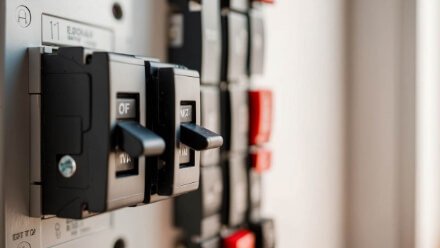
One of the most common reasons a breaker trips when backup heat starts is electrical overload. The backup heating elements in many systems, especially those using electric resistance coils, require a significant amount of power. When these elements activate, the total current draw can exceed the capacity of the circuit breaker. If your breaker is not sized appropriately for the combined load of the heat pump and backup heat, it will trip to protect your home’s wiring from overheating. Over time, repeated tripping can also weaken the breaker, making it more sensitive and prone to shutting off even under normal loads. If you notice this issue, it is important to address it promptly. If you are unsure about the electrical requirements or suspect your system is not properly configured, you should get in touch with a qualified HVAC technician or licensed electrician to assess your setup and recommend solutions.
Common Causes of Breaker Trips with Backup Heat
Another factor that can cause your breaker to trip when the backup heat starts is faulty or aging components within your heating system. Over time, electrical connections can loosen, wires can degrade, and heating elements can develop shorts or other defects. When backup heat is activated, these weaknesses may become apparent due to the higher current flow. For example, a damaged heating coil may draw more current than intended, or a loose connection may generate excessive heat, both of which can cause the breaker to trip. Additionally, if your system was not installed correctly or has been modified without proper consideration for electrical load, the risk of tripping increases. Regular maintenance and inspections are essential to catch these issues early. If you experience frequent breaker trips, it is wise to have your system thoroughly checked to ensure all components are in good working order and that your electrical system can handle the demands of backup heat.
The Role of Breaker Size and Wiring
The size of your circuit breaker and the gauge of the wiring used in your heating system play a critical role in safe operation. If the breaker is undersized for the total load of your heat pump and backup heat, it will trip whenever the backup heat is engaged. Similarly, if the wiring is not thick enough to handle the current, it can overheat, prompting the breaker to trip as a protective measure. Upgrading to a properly sized breaker and ensuring the wiring meets code requirements can resolve many issues related to breaker tripping. It is important to note that simply replacing a breaker with a larger one without addressing the wiring can be dangerous and is not recommended. Always consult a professional to evaluate your system and make any necessary upgrades safely.
When to Seek Professional Help
If your heating system continues to trip the breaker only when the backup heat starts, it is a clear sign that something is not functioning as it should. While some homeowners may feel comfortable checking their thermostat settings or replacing air filters, electrical issues should always be handled by a trained professional. Persistent breaker trips can indicate serious problems such as overloaded circuits, faulty wiring, or failing components that could pose a fire risk. A professional can perform a thorough inspection, test the electrical load, and identify any underlying issues. Addressing these problems promptly not only restores reliable heating but also ensures the safety of your home and family.
Preventive Maintenance Tips
Regular maintenance is key to preventing issues with your heating system and avoiding unexpected breaker trips. Scheduling annual inspections allows a technician to check for worn or damaged components, test electrical connections, and ensure your system is operating efficiently. Keeping air filters clean and ensuring vents are unobstructed can also reduce strain on your system. If you have recently added new appliances or made changes to your home’s electrical system, it is important to verify that your heating system’s circuit can handle the additional load. Preventive care helps extend the life of your equipment and minimizes the risk of inconvenient and potentially dangerous electrical problems.
Understanding the Importance of Safety
Breaker trips are a safety feature designed to protect your home from electrical hazards. Ignoring repeated trips or attempting to bypass the breaker can lead to serious consequences, including electrical fires or damage to your heating system. Always treat breaker trips as a warning sign that something needs attention. Taking the time to investigate and resolve the issue not only keeps your heating system running smoothly but also safeguards your property and loved ones.
Conclusion
A heating system that trips the breaker only when backup heat starts is a clear indication of an underlying issue, often related to electrical overload, faulty components, or improper installation. Understanding how your system operates and recognizing the signs of trouble can help you address problems before they escalate. Regular maintenance and timely professional intervention are essential for ensuring your heating system remains reliable and safe, especially during the coldest months. By staying proactive and attentive to your system’s needs, you can enjoy consistent comfort and peace of mind throughout the heating season.