If you’ve ever noticed your air conditioner cooling effectively again after being turned off for about an hour, you’re not alone. Many homeowners experience this puzzling situation, especially during the hottest months. It can be frustrating when your AC seems to lose its cooling power, only to work well again after a break. Understanding why this happens can help you maintain your system and avoid unnecessary discomfort. This article will explain the science behind this phenomenon, common causes, and what you can do to keep your AC running smoothly throughout the summer.
What to Expect in This Guide
How Air Conditioners Work and Why They Stop Cooling
Air conditioners operate by removing heat from the indoor air and transferring it outside, using a cycle of compression, condensation, expansion, and evaporation. The refrigerant inside the system absorbs heat from your home and releases it outdoors. Over time, as the AC runs continuously, certain components can become overworked or even freeze up, especially if airflow is restricted or the system is low on refrigerant. When this happens, the AC may stop cooling effectively, and you might notice warm air coming from the vents. Turning the unit off for an hour allows the system to reset, giving frozen coils time to thaw and internal pressures to equalize. Once restarted, the AC can often cool again, at least temporarily, until the underlying issue resurfaces.
Common Causes of Temporary Cooling Loss
One of the most frequent reasons for this issue is a frozen evaporator coil. When airflow is restricted due to a dirty air filter, blocked vents, or a malfunctioning blower fan, the coil can become too cold and freeze over. This ice buildup prevents the coil from absorbing heat, so the AC stops cooling. Turning off the system allows the ice to melt, restoring normal function for a short period. Another possible cause is low refrigerant levels, which can also lead to freezing and reduced cooling capacity. Electrical issues, such as a faulty thermostat or relay, may intermittently disrupt the cooling cycle. In some cases, the problem may be related to the compressor overheating and shutting down as a safety measure. If you notice this pattern repeatedly, it’s a sign that your system needs attention, and you may want to consider ac repair to address the root cause before it leads to more significant damage.
The Role of Airflow and Maintenance
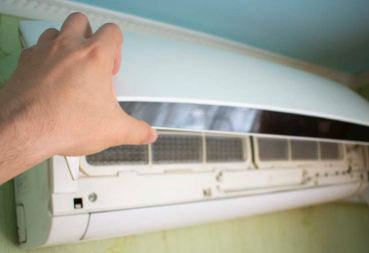
Proper airflow is essential for your air conditioner to function efficiently. When filters become clogged with dust and debris, or when vents are blocked by furniture or other objects, the system cannot circulate air as designed. This restriction causes the evaporator coil to become excessively cold, leading to ice formation. Regularly changing your air filter and ensuring that all vents are open and unobstructed can prevent this issue. Additionally, routine maintenance such as cleaning the evaporator and condenser coils, checking refrigerant levels, and inspecting electrical components can help keep your AC running smoothly. Neglecting these tasks can result in recurring cooling problems, higher energy bills, and a shorter lifespan for your system. If you’re unsure about performing maintenance yourself, scheduling a professional inspection can provide peace of mind and help catch potential issues early.
When to Seek Professional Help
If your air conditioner repeatedly stops cooling and only works again after being turned off for a while, it’s important to address the problem promptly. While some issues, like a dirty filter, can be resolved easily, others may require professional attention. Persistent freezing, refrigerant leaks, or electrical malfunctions can cause long-term damage if left unchecked. A qualified technician can diagnose the underlying cause, perform necessary repairs, and ensure your system operates safely and efficiently. Ignoring these warning signs can lead to more costly repairs down the line and may even result in complete system failure during peak summer heat. Taking action early can save you money and prevent uncomfortable indoor temperatures.
Quick Tips for Preventing AC Cooling Issues
Regular maintenance is the key to preventing most air conditioning problems. Change your air filter every one to three months, keep vents clear, and schedule annual tune-ups with a qualified technician. Pay attention to unusual noises, reduced airflow, or changes in cooling performance, as these can be early signs of trouble. Addressing small issues promptly can help you avoid more significant problems and keep your home comfortable all season long.
Conclusion
Understanding why your air conditioner cools again after being turned off for an hour can help you identify potential problems and take steps to prevent them. Issues like frozen coils, restricted airflow, and low refrigerant are common culprits that can temporarily disrupt your system’s performance. Regular maintenance and prompt attention to warning signs are essential for keeping your AC running efficiently and reliably. If you notice recurring cooling issues, don’t hesitate to seek professional help to ensure your comfort and protect your investment in your home’s cooling system. Taking these steps can help you enjoy a cool, comfortable home even during the hottest days of the year.