Wildfire smoke can have a significant impact on indoor air quality and the overall performance of your HVAC system. When smoke infiltrates your home, it brings with it fine particles, ash, and volatile organic compounds that can settle deep within your heating and cooling equipment. While changing the air filter is a crucial first step, it is far from the only maintenance task required to restore your system to optimal condition. Proper post-wildfire HVAC care is essential to ensure clean air, efficient operation, and the longevity of your equipment. Understanding what to check and address beyond the air filter can make a substantial difference in your home’s comfort and safety.
What to Expect After Wildfire Smoke
Inspecting and Cleaning Ductwork
After a wildfire event, your HVAC ductwork can become a hidden reservoir for smoke particles, ash, and other contaminants. These substances can settle throughout the duct system, leading to persistent odors and the recirculation of pollutants every time your system runs. Even if you have replaced the air filter, the ductwork may still harbor residues that degrade indoor air quality and contribute to respiratory discomfort. Professional duct cleaning is often necessary to remove these contaminants thoroughly. During this process, technicians use specialized equipment to dislodge and extract debris from the entire duct network, ensuring that lingering smoke particles are eliminated. This step is particularly important for households with sensitive individuals, such as children, the elderly, or those with respiratory conditions. Neglecting duct cleaning after wildfire smoke exposure can result in ongoing air quality issues and may even reduce the efficiency of your HVAC system, as accumulated debris can restrict airflow and force the system to work harder.
Assessing the Condition of Coils and Blower
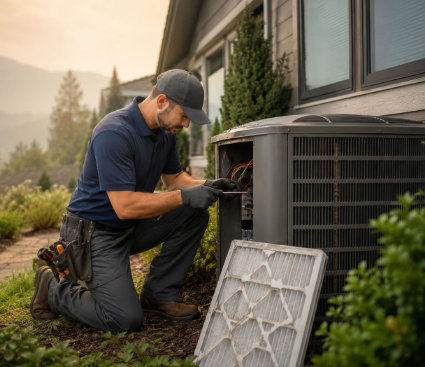
The evaporator and condenser coils, as well as the blower assembly, are critical components that can be affected by wildfire smoke. Fine particles and ash can accumulate on these surfaces, reducing heat transfer efficiency and potentially causing the system to overheat or short cycle. The blower, responsible for circulating air throughout your home, can also become coated with debris, leading to reduced airflow and increased wear on the motor. Cleaning these components requires careful disassembly and the use of appropriate cleaning agents to avoid damaging sensitive parts. In some cases, smoke residues can be sticky or corrosive, making thorough cleaning even more important. Homeowners should avoid attempting to clean coils and blowers themselves, as improper handling can lead to further damage or void warranties. Instead, scheduling a professional inspection and cleaning ensures that all affected components are restored to proper working order, helping to maintain system efficiency and prolong equipment life. For those seeking reliable HVAC maintenance services in Vancouver WA, it is important to choose a provider with experience in post-wildfire system care to address these specific challenges.
Checking Electrical Components and Controls
Wildfire smoke does not only affect the mechanical parts of your HVAC system; it can also impact electrical components and controls. Smoke particles are often conductive and can settle on circuit boards, relays, and sensors, potentially causing malfunctions or short circuits. Over time, this contamination can lead to erratic system behavior, such as unexpected shutdowns, inaccurate thermostat readings, or failure to start. Inspecting and cleaning electrical components is a delicate process that should be performed by a qualified technician. They will check for visible signs of residue, corrosion, or damage and use appropriate cleaning methods to restore proper function. In some cases, components may need to be replaced if smoke exposure has caused irreversible harm. Ensuring that all electrical parts are clean and functioning correctly is essential for the safe and reliable operation of your HVAC system, especially after exposure to wildfire smoke.
The Importance of System Calibration
After a wildfire event, your HVAC system may require recalibration to ensure optimal performance. Smoke exposure can affect sensors, thermostats, and control algorithms, leading to inaccurate temperature regulation or inefficient operation. A professional technician can recalibrate your system, checking that all sensors are reading correctly and that the system responds appropriately to temperature changes. This process may involve adjusting thermostat settings, verifying sensor accuracy, and testing system cycles to confirm proper operation. Calibration is a crucial step in restoring comfort and efficiency, as even minor discrepancies can result in higher energy bills and uneven heating or cooling. Regular calibration, especially after significant events like wildfires, helps maintain consistent indoor conditions and extends the life of your HVAC equipment.
Short-Term and Long-Term Air Quality Solutions
In the immediate aftermath of wildfire smoke exposure, homeowners often focus on quick fixes to restore indoor air quality. However, it is equally important to consider long-term solutions that protect your home from future smoke events. Upgrading to higher-efficiency air filters, installing air purifiers, and sealing gaps in your home’s envelope can all contribute to improved air quality. Additionally, regular HVAC maintenance and timely filter changes are essential for ongoing protection. By combining short-term remediation with long-term strategies, you can create a healthier indoor environment and reduce the impact of future wildfire smoke incidents.
When to Schedule Professional Maintenance
Determining the right time to schedule professional HVAC maintenance after wildfire smoke exposure is crucial. If you notice persistent odors, reduced airflow, or unusual system noises, it is a clear sign that your system needs attention. Even if your HVAC appears to be functioning normally, it is wise to arrange an inspection soon after a wildfire event. Technicians can identify hidden issues, clean affected components, and recommend any necessary repairs or upgrades. Prompt maintenance not only restores system performance but also helps prevent more serious problems down the line. Regular checkups, especially after environmental events like wildfires, are an investment in your home’s comfort and safety.
Conclusion
Proper HVAC maintenance after wildfire smoke exposure goes far beyond simply changing the air filter. Smoke and ash can infiltrate every part of your system, from ductwork and coils to electrical components and controls. Addressing these issues promptly and thoroughly is essential for restoring indoor air quality, maintaining system efficiency, and ensuring the safety of your home. Professional maintenance services can provide the deep cleaning and careful inspection needed to remove contaminants and prevent future problems. By taking a comprehensive approach to post-wildfire HVAC care, homeowners can protect their investment and enjoy a healthier, more comfortable living environment for years to come.