If your air conditioner keeps turning on and off more frequently than usual, you may be experiencing a problem known as short cycling. This issue can be frustrating, especially during the hottest days of the year when you rely on your AC for comfort. Short cycling not only disrupts the cooling of your home but can also lead to higher energy bills and increased wear and tear on your system. Understanding the causes behind this behavior is essential for maintaining a comfortable indoor environment and ensuring the longevity of your air conditioning unit.
Common causes of short cycling
Thermostat issues and placement
One of the most common reasons for an air conditioner to turn on and off repeatedly is a problem with the thermostat. The thermostat acts as the control center for your cooling system, signaling when to start and stop based on the temperature it senses. If the thermostat is malfunctioning or placed in a location that does not accurately reflect the temperature of your living space, it can cause the AC to cycle erratically. For example, if the thermostat is installed near a window, in direct sunlight, or close to an air vent, it may register temperatures that are not representative of the rest of your home. This can lead to the system shutting off prematurely or turning on too frequently. Additionally, low batteries or faulty wiring can disrupt the communication between the thermostat and the air conditioner, resulting in inconsistent operation. Ensuring your thermostat is properly calibrated and located in a central, shaded area away from direct airflow can help prevent unnecessary cycling and maintain a more stable indoor climate.
Airflow restrictions and dirty filters
Restricted airflow is another significant factor that can cause your air conditioner to short cycle. When air cannot move freely through the system, the evaporator coil may become too cold and freeze over, prompting the AC to shut off to prevent damage. Once the ice melts, the system restarts, only to repeat the cycle if the underlying issue is not addressed. Dirty or clogged air filters are a primary culprit in restricting airflow. Over time, dust, pet hair, and other debris accumulate in the filter, making it harder for air to pass through. This not only affects the efficiency of your cooling system but also puts extra strain on the components, increasing the risk of breakdowns. Regularly checking and replacing your air filters can help maintain proper airflow and reduce the likelihood of short cycling. If you notice persistent issues despite changing the filter, it may be time to search for ac repair near me to have a professional inspect your system for more complex problems.
Oversized air conditioning units
An air conditioner that is too large for your home can also lead to frequent cycling. Oversized units cool the space very quickly, causing the thermostat to register the desired temperature and shut off the system before it has a chance to complete a full cooling cycle. While this might seem like a benefit at first, it actually prevents the AC from properly dehumidifying the air, leading to a clammy or uncomfortable indoor environment. The constant starting and stopping also increases wear on the compressor and other components, potentially shortening the lifespan of your unit. Proper sizing is crucial when installing a new air conditioner, as a system that matches the cooling needs of your home will operate more efficiently and provide better comfort. If you suspect your AC is too large, consulting with a qualified HVAC technician can help determine the right solution, which may involve replacing the unit or making adjustments to your current setup.
Electrical and mechanical problems
Short cycling can also be a symptom of underlying electrical or mechanical issues within your air conditioning system. Faulty relays, damaged capacitors, or problems with the control board can disrupt the normal operation of the AC, causing it to turn on and off unexpectedly. Similarly, issues with the compressor, such as overheating or internal damage, can trigger safety mechanisms that shut down the system to prevent further harm. These types of problems often require professional diagnosis and repair, as attempting to fix electrical components without proper training can be dangerous. If you notice other signs of trouble, such as unusual noises, burning smells, or tripped circuit breakers, it is important to address them promptly to avoid more extensive damage and costly repairs. Regular maintenance and timely attention to warning signs can help keep your air conditioner running smoothly and reduce the risk of short cycling due to electrical or mechanical failures.
The impact of refrigerant levels
Low or leaking refrigerant is a common cause of short cycling in air conditioners. When the refrigerant level drops below the required amount, the system cannot effectively absorb and transfer heat, leading to erratic operation. The AC may shut off prematurely to protect itself from damage, only to restart once the pressure stabilizes. This cycle can repeat frequently, reducing the efficiency of your cooling system and increasing energy consumption. Addressing refrigerant issues typically involves locating and repairing leaks, followed by recharging the system to the correct level. Only a licensed HVAC technician should handle refrigerant, as improper handling can be hazardous and may violate environmental regulations. Keeping your system properly charged ensures optimal performance and helps prevent the disruptions caused by short cycling.
When to call for professional help
If your air conditioner continues to turn on and off despite checking the thermostat, replacing filters, and ensuring proper sizing, it may be time to seek professional assistance. Persistent short cycling can indicate more serious problems that require specialized tools and knowledge to diagnose and repair. Ignoring the issue can lead to increased energy bills, reduced comfort, and even complete system failure. A qualified HVAC technician can perform a thorough inspection, identify the root cause, and recommend the most effective solution to restore reliable cooling to your home. Regular maintenance visits can also help catch potential problems early, ensuring your air conditioner operates efficiently throughout the cooling season.
See also: The Importance of Customer-Centric Business Models
Preventing future short cycling
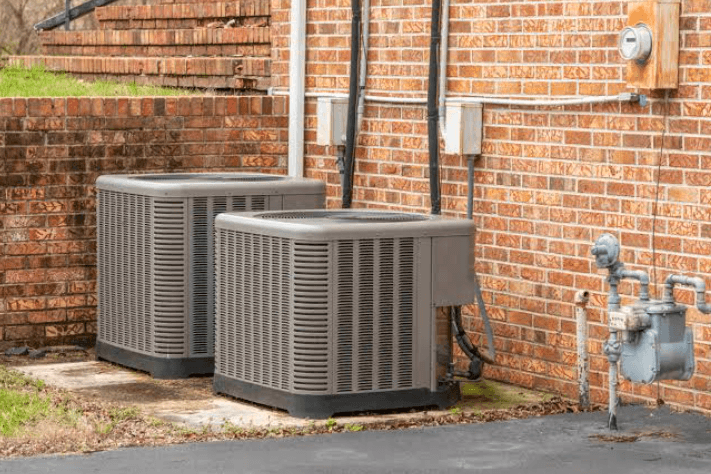
Taking proactive steps to maintain your air conditioning system can help prevent short cycling and extend the life of your unit. Scheduling annual maintenance with a trusted HVAC company allows technicians to clean components, check refrigerant levels, and inspect electrical connections. Keeping the area around your outdoor unit clear of debris and vegetation ensures proper airflow, while regularly changing air filters reduces the risk of blockages. Monitoring your thermostat settings and replacing batteries as needed can also contribute to more consistent operation. By staying attentive to your system’s needs and addressing issues promptly, you can enjoy reliable cooling and avoid the inconvenience of frequent cycling.
Conclusion
Short cycling is a common but disruptive problem that can affect the comfort and efficiency of your home’s air conditioning system. Understanding the potential causes, from thermostat placement and airflow restrictions to oversized units and mechanical issues, is key to finding a lasting solution. Addressing these factors through regular maintenance, timely repairs, and proper system sizing can help ensure your AC operates smoothly and reliably. If you encounter persistent issues, seeking professional help is the most effective way to protect your investment and maintain a comfortable indoor environment throughout the hottest months of the year.