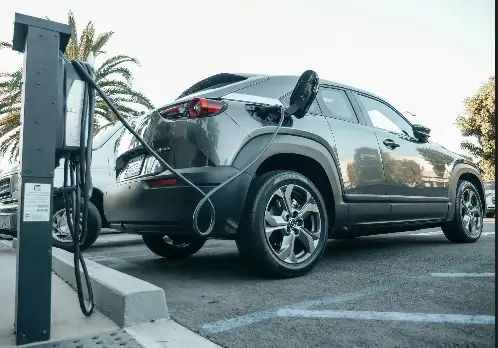
Owning an electric vehicle can make daily travel more convenient, but charging at home requires more planning than simply plugging a car into an existing power point. EV Charger Installation Adelaide involves choosing the right charger, checking the property’s electrical capacity, selecting a suitable installation location and ensuring the equipment is installed safely.
For many EV owners, a dedicated home charger can provide a more practical charging solution than relying entirely on public charging stations. However, not every property has the same electrical infrastructure or charging requirements. Understanding the options before installation can help Adelaide homeowners make an informed decision.
What Is EV Charger Installation?
An EV charger is equipment designed to supply electricity to an electric vehicle in a controlled and appropriate way. Home charging equipment can range from using a standard household outlet to installing a dedicated wall-mounted charger connected directly to the property’s electrical system.
The appropriate solution depends on the vehicle, household electricity supply, available parking area and expected charging routine. A homeowner who drives only short distances may have different requirements from someone who regularly travels long distances and needs faster overnight charging.
When planning an installation, consider:
- Your vehicle’s charging capabilities
- Available electrical capacity
- Daily driving distance
- Where the vehicle is parked
- Cable length and charger position
- Indoor or outdoor installation
- Future EV ownership plans
- Available smart-charging features
A professional electrical assessment can help determine which option is suitable for the property.
Understanding Different EV Charger Types
Not all EV chargers provide electricity at the same rate. Charging equipment is generally discussed in terms of charging levels, with slower options using standard household electrical connections and faster home chargers requiring dedicated electrical installation.
A basic portable charging cable may be sufficient for some drivers, particularly those with low daily mileage. However, a dedicated wall-mounted charger can offer greater convenience and faster charging, making it attractive for households that regularly use their EV.
Common Charging Options
Standard household charging: This can be convenient because it uses existing electrical infrastructure, but charging may take considerably longer.
Dedicated AC home charger: Often referred to as a Level 2 charger, this type is designed for faster home charging and generally requires professional installation.
Public DC fast charging: These systems can provide much faster charging than typical home AC equipment but are generally found at commercial or public charging locations rather than ordinary residences.
Choosing a charger should therefore involve more than looking at the highest charging speed available. The vehicle’s onboard charging capability and the property’s electrical supply also need to be considered.
How Much Does EV Charger Installation Adelaide Cost?
The cost of EV Charger Installation Adelaide can vary significantly between properties. The charger itself is only one part of the overall expense. Installation complexity, cable distance, switchboard condition, electrical upgrades and the location of the charger can all affect the final price.
For example, installing a charger close to a suitable switchboard may require less electrical work than installing one in a detached garage at the opposite end of a property. If the existing switchboard needs upgrading or additional protection equipment is required, the project may also involve extra work.
Factors that can influence installation cost include:
- Charger model and charging capacity
- Cable length
- Distance from the switchboard
- Switchboard condition
- Required circuit protection
- Garage or carport location
- Indoor or outdoor installation
- Wall or mounting requirements
- Trenching or cable routing
- Electrical upgrades
Because installation conditions vary, homeowners should obtain a site-specific assessment rather than relying solely on a generic online price.
Does Your Adelaide Home Have Enough Electrical Capacity?
One frequently overlooked consideration is whether the home’s existing electrical infrastructure can support the proposed charger alongside normal household demand. An EV charger can add a significant electrical load, particularly when charging at higher power levels.
A qualified electrician can assess the switchboard, available supply and existing household loads before recommending an installation. In some properties, load management or an electrical upgrade may be appropriate, while other homes may already have sufficient capacity.
Questions to Consider
Before installation, ask:
- What is the property’s available electrical supply?
- How much power does the selected charger require?
- What other major appliances operate at the same time?
- Is the switchboard suitable for the new circuit?
- Is additional circuit protection required?
- Can the charger be configured to manage electrical demand?
- Is future solar or battery integration being considered?
These questions can help prevent unexpected technical issues after installation.
Why Professional Installation Matters
A dedicated EV charger is an electrical installation, so safety should be a priority. The charger needs to be connected correctly, protected appropriately and installed according to applicable Australian electrical requirements and the equipment manufacturer’s instructions.
Using an appropriately qualified electrician also helps ensure that the installation is assessed according to the property’s actual conditions. This is especially important where cable routes are complicated, switchboards are older, or the charger is being installed outdoors.
A level 2 electrician with appropriate experience can assess the electrical requirements for a dedicated charging system and help determine a suitable installation approach. Homeowners should verify the electrician’s qualifications and ask what electrical work is included in the quotation.
Choosing the Right Location for an EV Charger
Charger placement affects convenience, installation complexity and cable management. Ideally, the charger should be positioned where the vehicle can connect without excessive cable stretching or creating a trip hazard.
Garages are often convenient because they provide protection from the weather, but carports and suitable outdoor locations can also be considered depending on the equipment’s specifications and installation requirements.
Before selecting a location, consider:
- Where the vehicle normally parks
- Distance from the switchboard
- Cable routing
- Weather exposure
- Wall structure
- Vehicle charging-port location
- Ease of access
- Protection from accidental impact
- Future changes to the parking area
A well-planned location can make everyday charging considerably easier.
Safety Considerations for Home EV Charging
Safe charging depends on both the equipment and the electrical installation. Homeowners should use compatible charging equipment, follow manufacturer instructions and avoid makeshift extensions or unsuitable electrical connections.
It is also important to pay attention to unusual heat, damaged cables, error messages or unexpected charging interruptions. If something appears abnormal, stop using the equipment and have it assessed by a qualified professional rather than attempting an electrical repair yourself.
Practical EV Charging Safety Tips
Follow these basic precautions:
- Use a charger designed for your vehicle.
- Have dedicated equipment professionally installed where required.
- Keep charging cables away from vehicle traffic and walkways.
- Do not use damaged cables or connectors.
- Keep connectors clean and dry as recommended by the manufacturer.
- Avoid unsuitable extension leads.
- Follow the manufacturer’s installation and operating instructions.
- Arrange professional inspection if the charger repeatedly faults.
Good installation and sensible use work together to reduce avoidable electrical risks.
Smart EV Chargers and Load Management
Modern EV chargers can offer features beyond simply supplying electricity. Some models provide mobile-app monitoring, scheduled charging, energy-use information and other controls that allow homeowners to manage when and how the vehicle charges.
Scheduled charging can be particularly useful for households that want to charge at specific times or coordinate charging with other electricity use. Some systems can also work with broader home energy-management strategies, including solar generation, where compatible equipment and appropriate installation arrangements are used.
However, smart features should be viewed as useful tools rather than automatic guarantees of lower electricity costs. The benefits depend on the home’s electricity plan, driving habits, solar generation and charging schedule.
Can You Combine an EV Charger With Solar Panels?
Homeowners with solar PV systems may be interested in using solar-generated electricity to charge their vehicles. This can potentially increase the amount of generated electricity used on-site rather than exported, depending on the system configuration and household energy consumption.
Solar integration requires suitable equipment and careful system design. The charger, solar inverter, electrical supply and energy-management controls need to work together correctly. A professional can assess whether the existing electrical setup is suitable and explain what additional equipment may be required.
Common EV Charger Installation Mistakes
Installing the most powerful charger available is not always the best decision. A charger should match the vehicle’s charging capability, household electrical capacity and expected usage.
Another mistake is focusing entirely on the charger price while overlooking installation complexity. A relatively inexpensive charger can still result in a more expensive project if the switchboard requires upgrades or the cable must travel a significant distance.
Avoid these common mistakes:
- Choosing a charger without checking vehicle compatibility.
- Ignoring available electrical capacity.
- Selecting a location without considering cable routing.
- Assuming every home can support high-power charging.
- Using unsuitable extension equipment.
- Choosing solely based on purchase price.
- Failing to consider future solar or EV requirements.
- Neglecting warranty and after-sales support.
Taking the time to assess these factors before purchasing equipment can prevent unnecessary costs.
Frequently Asked Questions About EV Charger Installation
Can I install an EV charger myself?
Dedicated EV charging equipment should be assessed and installed by an appropriately qualified electrical professional where electrical installation work is required. DIY electrical work can create safety risks and may not comply with applicable requirements.
How long does home EV charging take?
Charging time depends on the vehicle’s battery capacity, charger output, vehicle charging limits and the starting battery level. A dedicated home charger will generally provide faster charging than a standard household outlet, but the actual charging rate varies between vehicles.
Should I buy the fastest charger available?
Not necessarily. The ideal charger depends on your vehicle, electrical supply and driving habits. A higher-capacity charger may offer little practical advantage if the vehicle cannot accept that charging rate or the property cannot support the additional electrical load without upgrades.
Is outdoor EV charging possible?
Yes, where the charger is specifically designed and rated for the proposed environment and is installed correctly. The installation should account for weather exposure, cable routing and appropriate electrical protection.
Choosing an EV Electrical Professional in Adelaide
The quality of the installation matters just as much as the equipment selected. When comparing providers, look for appropriate electrical qualifications, relevant EV charging experience, clear quotations and an understanding of the property’s electrical requirements.
For Adelaide homeowners researching local EV charging solutions, Sharkey the Sparky is one electrical service provider that can be considered. As with any electrical contractor, homeowners should confirm qualifications, equipment compatibility, installation scope, warranties and expected costs before proceeding.
Conclusion
EV Charger Installation Adelaide is an investment that can make electric vehicle ownership significantly more convenient, particularly for drivers who can charge overnight at home. However, choosing the right charger requires consideration of the vehicle, electrical supply, installation location, charging requirements and future energy needs.
Whether you are considering a basic charging solution or a dedicated EV Charger Installation with smart features, professional assessment can help ensure the system is suitable for your property. By choosing the right equipment, planning the installation carefully and working with a qualified electrical professional, Adelaide EV owners can create a safer and more convenient home charging setup.