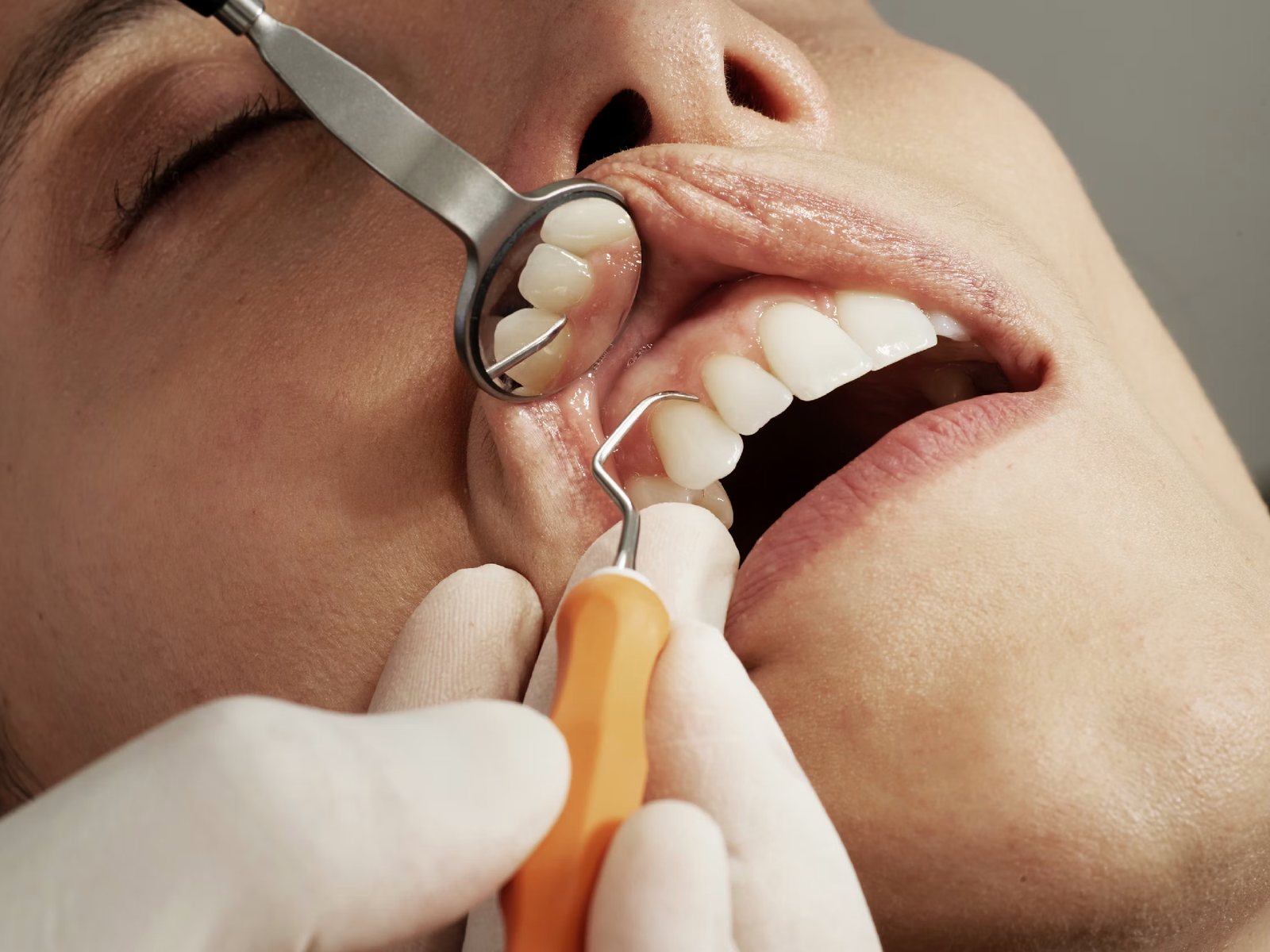
Losing a tooth can affect much more than the appearance of your smile. It can change how you chew, speak, and distribute pressure across your remaining teeth. Dental implants and bridges are two established ways to replace a missing tooth, but they work very differently. For many patients, implants offer greater independence and help preserve the jawbone, while bridges can provide an effective replacement without placing an implant into the bone. An evaluation with an implant dentist Tysons VA can help determine which approach suits your oral health, bone condition, neighboring teeth, and personal goals. At G4 Dental Implants, treatment planning should begin with those individual factors rather than choosing an option based on convenience alone.
How Dental Implants and Bridges Replace Missing Teeth
A dental implant replaces the missing tooth from the root upward. A small biocompatible implant is placed into the jawbone, where it serves as a stable foundation for a dental crown. Once the restoration is completed, the replacement tooth is designed to function and look much like a natural tooth.
A bridge takes a different route. Instead of replacing the missing root, it uses the teeth next to the gap as support. One or more artificial teeth are attached to crowns that fit over the neighboring teeth. The result fills the visible space and restores much of the tooth’s function.
The distinction matters because the two treatments affect your mouth differently. An implant stands independently, while a traditional bridge relies on adjacent teeth for support.
Why Implants Can Offer Long-Term Advantages
One of the biggest advantages of an implant is that it replaces the tooth root as well as the visible crown. This gives the jawbone stimulation that a traditional bridge does not provide.
After tooth loss, the bone surrounding the missing root can gradually decrease because it no longer receives the same mechanical stimulation. An implant can help maintain the bone around the replacement tooth when it successfully integrates with the jaw.
Implants also avoid placing crowns on healthy neighboring teeth simply to support the replacement. This can be particularly appealing when the teeth beside the missing tooth are healthy and structurally sound.
Other advantages include:
- Independent support without relying on neighboring teeth
- A natural-looking replacement designed around the surrounding smile
- Restoration of chewing function with a stable foundation
- Support for maintaining the shape of the jaw in the treatment area
Dental implants Tysons corner patients consider should always be evaluated individually. Adequate bone volume, healthy gums, overall oral health, and appropriate treatment planning all influence implant suitability.
Where Dental Bridges Still Make Sense
A bridge remains a useful tooth replacement option for many patients. It does not require an implant to be placed into the jawbone, and it can restore a missing tooth by anchoring the artificial tooth to neighboring teeth.
For someone who has healthy teeth that can properly support a bridge, this approach may be appropriate. Bridges can also be considered when implant placement is not recommended because of certain oral health conditions or other clinical factors.
A bridge can improve chewing and help prevent nearby teeth from shifting into the empty space. It can also provide an attractive restoration that blends with the surrounding teeth.
The tradeoff is that the supporting teeth generally need to be prepared to accommodate the crowns. Those teeth then become part of the restoration, even though they were not originally missing.
Dental Implants vs Bridges: The Main Differences
Looking at the two options side by side makes the distinction easier to understand.
Implants: Replace the tooth root and crown, stand independently, and can help preserve bone around the missing tooth.
Bridges: Replace the visible tooth portion and depend on neighboring teeth for support.
Implants: Do not require adjacent healthy teeth to be reshaped for support.
Bridges: Usually require preparation of the neighboring supporting teeth.
Implants: Can provide a strong, independent foundation for chewing.
Bridges: Restore function effectively but rely on the supporting teeth and surrounding structures.
Neither treatment is automatically right for every missing tooth. The condition of your gums, jawbone, neighboring teeth, bite, and overall oral health should guide the decision.
What Determines the Better Choice for You?
The best option depends on more than the location of the missing tooth. Your dentist will typically assess the surrounding teeth, gum health, available bone, bite, and the condition of the tissues in the treatment area.
For example, an implant may be especially attractive when the neighboring teeth are healthy and you want the replacement to function independently. A bridge may be reasonable when adjacent teeth already require crowns or have extensive restorations that make them suitable support teeth.
Bone health also matters. Some patients have enough bone to support an implant, while others may require additional treatment before implant placement can be considered. Gum disease and untreated decay should also be addressed because a healthy foundation is essential for predictable dental treatment.
Your bite is another consideration. Excessive forces on a restoration can affect its performance, so your dentist needs to evaluate how your upper and lower teeth come together.
How the Choice Can Affect Your Remaining Teeth
A missing tooth can create changes beyond the original gap. Neighboring teeth may shift toward the empty space, and opposing teeth can gradually move into an altered position. These changes can affect your bite and make cleaning certain areas more difficult.
An implant provides an independent replacement and does not require the adjacent teeth to act as anchors. This can help maintain the independence of healthy neighboring teeth.
A bridge, by design, connects the replacement tooth to nearby teeth. That can be beneficial in the right situation, particularly when those teeth already need substantial restoration. However, the supporting teeth require careful cleaning and ongoing monitoring because the area beneath and around the bridge can collect plaque.
Good oral hygiene remains essential with both options. Brushing, flossing, and professional dental examinations help protect the restoration and the natural teeth around it.
Appearance and Everyday Comfort
Modern dental restorations are designed to blend with the natural smile. The shape, size, shade, and position of the replacement tooth can all be considered during treatment planning.
Implants can provide a natural feel because the crown is supported independently rather than connected to neighboring teeth. Bridges can also feel comfortable and look natural once a patient adjusts to the restoration.
Comfort depends on more than the restoration itself. The fit, bite, health of the gums, and condition of the supporting structures all influence how a replacement tooth feels during daily activities.
For patients researching dental implants Tysons corner va options, a consultation can clarify how an implant would fit into the existing bite and smile rather than relying on general comparisons alone.
Caring for Your Replacement Tooth
A replacement tooth still needs regular care. Dental implants require brushing and cleaning around the gumline and restoration. Special flossing tools or interdental cleaners may be recommended to keep the area around the implant clean.
Bridges also require careful cleaning around the artificial tooth and beneath the bridge. Your dental team can demonstrate techniques that make these areas easier to maintain.
Regular dental visits allow your provider to check the restoration, surrounding gums, bite, and neighboring teeth. These appointments are useful for identifying small problems before they interfere with the function of the replacement.
G4 Dental Implants can help patients understand the clinical factors that influence implant treatment and compare those considerations with other tooth replacement options.
See also: A Buyer’s Guide to Sourcing Bonsai Trees Wholesale for Retail and Landscaping Businesses
Making a Decision Based on Your Oral Health
Choosing between an implant and bridge should be a clinical decision guided by your individual circumstances. An implant may be preferable for someone seeking an independent replacement and preservation of the jawbone around the missing tooth. A bridge may make sense for someone whose neighboring teeth are suitable supports or who has circumstances that make an implant less appropriate.
There is no single replacement option that works best for every patient. A detailed dental examination can reveal the condition of the bone, gums, adjacent teeth, and bite, giving you a clearer basis for making your decision.
A Stronger Starting Point for Tooth Replacement
Replacing a missing tooth is not simply about filling an empty space. The restoration should work with your bite, protect the surrounding structures, support comfortable chewing, and fit naturally within your smile.
Dental implants Tysons patients may consider can offer the advantage of replacing the missing tooth root while preserving the independence of neighboring teeth. Bridges remain a practical alternative in situations where the supporting teeth and overall oral health make them appropriate.
The right choice starts with an examination and a conversation about your oral health and goals. If you are considering tooth replacement in Tysons Corner, contact us now to arrange an evaluation and discuss the treatment approach that best fits your needs. A thoughtful assessment can help you move forward with greater confidence and a restoration designed for your smile.