The aesthetic equipment market has grown considerably as salons, beauty centers, and professional studios look for equipment that can support a wider range of non-invasive body-care services. With so many machines available, choosing the right equipment requires more than simply comparing prices or looking at the number of features listed by a supplier.
A vacuum cavitation machine is one type of aesthetic equipment that combines vacuum-based functions with cavitation technology. Depending on the design, these machines may be used as part of professional body-care and cosmetic routines. However, different models can vary significantly in their functions, controls, attachments, operating procedures, and maintenance requirements.
For business owners considering this type of equipment, understanding the basic factors involved can make the purchasing process much easier.
Understanding Vacuum Cavitation Equipment
Before choosing a machine, it is useful to understand what its main technologies are intended to do.
Vacuum technology uses controlled suction through an applicator. In aesthetic settings, vacuum-based equipment may be incorporated into massage-oriented or body-contouring routines. The level of suction can usually be adjusted depending on the machine and its operating system.
Cavitation technology uses ultrasonic energy through a specialized applicator. Different manufacturers design their equipment differently, so the specifications, operating modes, and recommended procedures can vary.
Some machines combine these functions into a single system, while others include additional features and applicators. This means buyers should carefully review the actual configuration instead of assuming that every machine with a similar name offers the same capabilities.
Consider the Intended Use
One of the first questions to ask is how the equipment will be used in the business.
A small beauty studio may have different requirements from a large aesthetic center. A business offering several services may prefer multifunction equipment, while a studio that focuses on a smaller number of procedures may benefit from a simpler machine.
Consider the types of services you already provide and the equipment you currently have. If the new machine is intended to complement existing services, its functions should fit naturally into your current workflow.
It is also important to consider the space available. Some professional systems are designed as larger floor-standing units, while others have a more compact design. The available workspace, storage requirements, and treatment-room layout should all be considered before purchasing.
Check the Available Functions
Not every machine includes the same combination of features. Some models focus primarily on vacuum and cavitation functions, while others combine several technologies in one system.
When comparing models, create a list of the functions that are genuinely useful for your business. Avoid paying extra for features that your staff are unlikely to use.
Look at the controls as well. A clear interface can make equipment easier to operate, particularly in businesses where multiple trained staff members use the same machine.
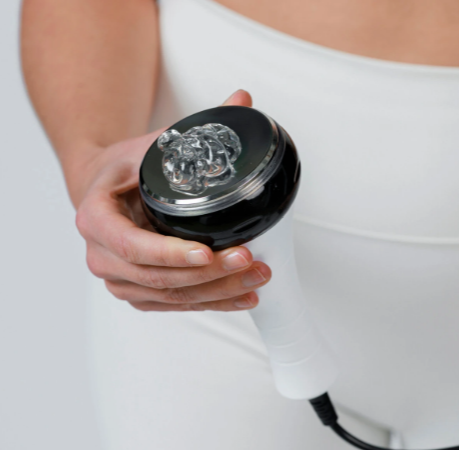
The number and type of applicators should also be reviewed. Different applicator sizes and shapes may be designed for different areas or operating techniques. Make sure the supplied accessories match the intended professional use.
Pay Attention to Adjustability
Adjustability is another important factor when selecting aesthetic equipment.
A machine may offer different intensity levels, operating modes, or timing controls. These settings can provide operators with greater flexibility when following the manufacturer’s recommended procedures.
However, more settings do not automatically mean better equipment. What matters is whether the controls are practical, understandable, and appropriate for the intended applications.
Before purchasing, review the manufacturer’s operating instructions and determine whether the controls can be used efficiently by trained operators.
Evaluate Build Quality
Aesthetic equipment is often used repeatedly throughout the working week, so construction quality matters.
Inspect the overall design of the machine, including its housing, control panel, applicators, cables, connectors, and wheels or stands where applicable. Components should be designed for regular professional use and routine cleaning.
The handpieces deserve particular attention because they are handled frequently. Ask the supplier about replacement parts and whether individual applicators can be replaced if they become damaged or worn.
A machine with accessible replacement parts can be easier to maintain over the long term than one that requires the entire system to be replaced after a component fails.
Training and Operating Procedures
Professional equipment should not be treated like an ordinary consumer appliance. Staff should understand how the machine works and follow the manufacturer’s operating instructions.
Training can help operators become familiar with the controls, applicators, recommended settings, cleaning procedures, and general operating requirements.
Businesses should also establish consistent procedures for preparing equipment before use and cleaning it afterward. Clear procedures can help maintain a professional working environment and reduce unnecessary wear on equipment.
If a supplier provides training materials, manuals, demonstrations, or technical support, these can be valuable when comparing different machines.
Cleaning and Maintenance
Maintenance is an important part of owning aesthetic equipment.
Applicators and surfaces that come into contact with clients should be cleaned according to the manufacturer’s instructions. The machine itself should also be kept free from dust, moisture, and other conditions that could affect its components.
Ask the supplier how often routine maintenance should be performed and whether there are recommended replacement parts.
It is also worth asking about warranty coverage. Understand what the warranty includes, how long it lasts, and what process should be followed if the equipment develops a problem.
Good maintenance practices can help businesses keep their equipment in usable condition and avoid unexpected interruptions to their services.
Compare Supplier Support
The supplier is just as important as the equipment itself.
Before placing an order, check whether the supplier provides technical assistance, product documentation, spare parts, and after-sales support. If a problem occurs, knowing how to contact the supplier can save valuable time.
Ask practical questions before purchasing. For example, find out how replacement applicators are ordered, whether manuals are provided, and whether troubleshooting support is available.
A supplier that clearly explains the equipment’s specifications and operating requirements can make the purchasing process more straightforward.
Don’t Choose Based Only on Price
Price is naturally an important consideration, especially for smaller businesses. However, the cheapest machine may not always provide the best overall value.
Instead of comparing only the purchase price, consider the total cost of ownership. This can include maintenance, replacement parts, staff training, accessories, shipping, and potential downtime.
A machine that costs slightly more but has better documentation, reliable support, and accessible replacement parts may be easier to manage over time.
At the same time, expensive equipment should not automatically be considered superior. Compare specifications, build quality, support, and practical usability rather than relying on price alone.
Check Documentation Before Buying
Product documentation can reveal important information that may not be obvious from photographs or short product descriptions.
Review the technical specifications, operating instructions, included accessories, power requirements, warranty information, and maintenance recommendations.
If something is unclear, ask the supplier for clarification before ordering.
Businesses should also make sure the equipment is appropriate for their local requirements and intended professional use. Depending on the market and application, there may be specific requirements concerning electrical safety, professional operation, labeling, or equipment compliance.
Think About Long-Term Business Needs
A good purchasing decision should consider where the business is going rather than only its current needs.
If you expect your service menu to expand, a machine with useful additional functions may provide more flexibility. On the other hand, if your business has a focused service model, a straightforward system may be easier to operate and maintain.
Consider how frequently the equipment is expected to be used, how many staff members will operate it, and how much space is available.
These practical questions can help narrow down the choices and prevent unnecessary spending.
Final Thoughts
Choosing aesthetic equipment requires careful consideration of technology, usability, construction, maintenance, training, and supplier support. A vacuum cavitation machine can be a useful addition to a professional beauty or aesthetic environment when its features and configuration match the business’s actual requirements.
Rather than choosing a machine based only on advertisements or price, compare the specifications and understand exactly what is included. Review the available applicators, operating controls, maintenance requirements, warranty, and after-sales support.
Most importantly, make sure operators receive appropriate training and follow the manufacturer’s instructions. Taking time to evaluate these factors before purchasing can help a business select equipment that fits its workflow and supports its long-term operational needs.