Businesses are increasingly looking for ways to manage electricity costs, improve energy reliability, and make better use of renewable power. Solar energy can help achieve these goals, but the quality of an energy system depends on more than the solar panels themselves.
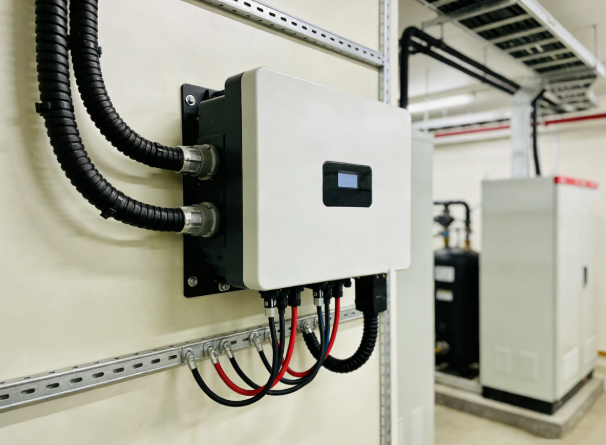
The inverter is one of the most important components because it manages the conversion and flow of electrical energy. For larger commercial applications, a 50kw hybrid inverter can be considered when a system needs to combine solar generation, battery storage, and grid electricity.
What Is a Hybrid Solar Inverter?
A hybrid solar inverter combines several energy-management functions into one system. It can work with solar panels, batteries, and the electrical grid.
During periods of solar production, electricity can be used by connected loads. Depending on the system design, excess energy may also be stored in batteries for later use.
When solar generation is insufficient, stored energy or grid electricity can help supply the load.
This flexibility makes hybrid systems attractive for businesses that want greater control over energy usage.
Why 50kW Capacity?
A 50kW system is considerably larger than the systems commonly installed for small residential applications. It can therefore be suitable for certain commercial buildings, workshops, industrial facilities, farms, and other properties with substantial electricity requirements.
However, the appropriate inverter capacity depends on the site’s actual electrical load and solar-generation goals.
Businesses should evaluate their energy consumption before selecting equipment.
The Role of Battery Storage
Battery storage is an important part of many hybrid solar systems.
Solar panels generate electricity during sunlight hours, but a business may continue consuming electricity after sunset. Batteries can store available energy and make it accessible later, depending on the system configuration.
Battery storage can also provide additional flexibility when solar production changes because of weather conditions.
High-Voltage Battery Systems
Some commercial hybrid systems use high-voltage lithium iron phosphate battery technology.
Lithium iron phosphate, commonly known as LFP, is used in various energy-storage applications because of its characteristics and suitability for repeated charge and discharge cycles.
The battery and inverter must be properly matched. Voltage ranges, communication systems, protection mechanisms, and installation requirements should all be considered.
Energy Management
A hybrid inverter does more than convert electricity from one form to another. It can also help manage how electricity moves between solar panels, batteries, loads, and the grid.
For businesses, this energy-management capability can be particularly useful.
A properly configured system can prioritize available solar energy, charge batteries when appropriate, and use stored energy according to the system’s operating strategy.
Backup Power Considerations
Some hybrid systems can provide backup power during grid interruptions. Whether this is possible depends on the inverter configuration, battery capacity, electrical installation, and local requirements.
Businesses that need backup power should identify critical loads before designing the system.
For example, a facility may prioritize servers, security systems, refrigeration, communication equipment, or selected production machinery.
Installation Requirements
Commercial solar systems require careful planning.
The installation team should evaluate the available roof or ground area, solar exposure, electrical infrastructure, battery location, ventilation, safety requirements, and local regulations.
The inverter should be installed in an appropriate environment and according to the manufacturer’s instructions.
Monitoring and Maintenance
Modern energy systems can include monitoring features that allow users to review solar generation, battery status, energy consumption, and other operating information.
Monitoring can help identify unusual performance and make system management easier.
Routine maintenance should also be performed according to the equipment manufacturer’s recommendations.
Selecting the Right Inverter
Businesses should compare more than just rated capacity.
Important considerations can include:
- Battery compatibility
- Operating voltage range
- Efficiency
- Monitoring capabilities
- Protection features
- Communication options
- Warranty
- Installation requirements
- Technical support
The system should also be designed around the facility’s future energy requirements.
Planning for Future Expansion
Energy needs can change as businesses grow. New machinery, additional office equipment, electric vehicles, or expanded operations can increase electricity demand.
When selecting a 50kw hybrid inverter, businesses may therefore want to consider whether the overall system can support future changes.
Planning ahead can prevent expensive redesigns later.
Final Thoughts
Hybrid solar technology gives commercial users more flexibility by combining solar generation, battery storage, and grid power within one energy-management system.
A 50kw hybrid inverter can be suitable for certain medium-sized commercial and industrial applications, but the correct capacity depends on the facility’s energy profile and system design.
Businesses should evaluate their current and future electricity requirements, battery needs, installation conditions, and technical support before selecting equipment.