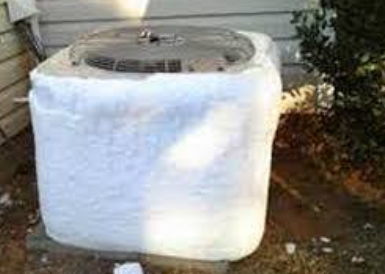
An air conditioner freezing up is a common problem that can leave homeowners frustrated, especially during the hottest months of the year. When ice forms on the coils or other components of your AC unit, it not only reduces cooling efficiency but can also lead to more serious damage if not addressed promptly. Understanding the reasons behind this issue is crucial for maintaining a comfortable indoor environment and avoiding costly repairs. By learning about the various causes of AC freeze-ups, you can take proactive steps to keep your system running smoothly and ensure your home stays cool and comfortable all season long.
Common reasons for AC freeze-ups
Low Refrigerant Levels
One of the most frequent causes of an air conditioner freezing up is low refrigerant levels. Refrigerant is the substance responsible for absorbing heat from your home and releasing it outside. When the refrigerant level drops, usually due to a leak, the pressure in the evaporator coil decreases. This lower pressure causes the temperature of the coil to fall below freezing, allowing moisture in the air to condense and freeze on the coil’s surface. Over time, this layer of ice can grow thicker, further restricting airflow and reducing the system’s ability to cool your home. If left unchecked, low refrigerant can not only cause freeze-ups but also damage the compressor, leading to expensive repairs. Regular maintenance and prompt attention to any signs of refrigerant loss are essential to prevent this issue and keep your air conditioner functioning efficiently.
Poor Airflow Over the Evaporator Coil
Another significant factor that can lead to an air conditioner freezing up is poor airflow over the evaporator coil. The evaporator coil relies on a steady stream of warm air from your home to absorb heat and prevent the coil from getting too cold. When airflow is restricted, the coil’s temperature can drop below freezing, causing condensation to freeze on its surface. Common causes of restricted airflow include dirty air filters, blocked vents, closed registers, or issues with the blower fan. Homeowners often overlook the importance of changing air filters regularly, but a clogged filter can quickly lead to airflow problems. If you notice reduced cooling performance or ice forming on your AC unit, searching for ac repair near me can help you find a professional to diagnose and resolve airflow issues before they cause more significant damage.
Dirty or Blocked Evaporator Coils
Evaporator coils play a crucial role in the cooling process, and when they become dirty or blocked, the risk of freezing increases significantly. Dust, dirt, and debris can accumulate on the coils over time, creating an insulating layer that prevents proper heat transfer. When the coils cannot absorb enough heat from the air, their temperature drops, and moisture begins to freeze on the surface. This not only reduces the efficiency of your air conditioner but can also lead to a complete system shutdown if the ice buildup becomes severe. Regular cleaning of the evaporator coils is essential to maintain optimal performance and prevent freeze-ups. Homeowners should schedule routine maintenance with a qualified technician to ensure the coils remain clean and free of obstructions. Additionally, keeping the area around the indoor unit clear of dust and debris can help minimize the risk of coil contamination and subsequent freezing.
Thermostat and Temperature Issues
Thermostat settings and temperature fluctuations can also contribute to air conditioner freeze-ups. Setting the thermostat too low, especially during cooler nights, can cause the evaporator coil to become excessively cold. When the temperature drops below the freezing point, condensation on the coil can turn to ice. Additionally, malfunctioning thermostats that fail to accurately sense the room temperature may cause the system to run longer than necessary, increasing the likelihood of freezing. It’s important to set your thermostat to a reasonable temperature and avoid drastic changes that can stress the system. If you suspect your thermostat is not functioning correctly, it may be time to have it inspected or replaced. Ensuring your thermostat is properly calibrated and functioning can help maintain consistent temperatures and prevent unnecessary strain on your air conditioning system.
Quick Fixes for a Frozen AC
If you discover that your air conditioner has frozen up, the first step is to turn off the system to allow the ice to melt. Running the AC while it’s frozen can cause further damage. Once the ice has melted, check for obvious issues like dirty air filters or blocked vents and address them immediately. If the problem persists, it’s important to contact a professional technician to inspect the system for more complex issues such as refrigerant leaks or malfunctioning components. Professional technicians can quickly identify hidden system faults that cause repeated icing, ensuring key components remain protected from permanent damage. For homeowners evaluating their long-term cooling needs or seeking expert assistance, reviewing options for https://www.plunkettheatcool.com/services/air-conditioning can help ensure proper maintenance routines and reliable operational efficiency throughout the summer months.
See also: The Importance of Customer-Centric Business Models
Mechanical Failures and Component Issues
Mechanical failures within the air conditioning system can also be a root cause of freeze-ups. Components such as the blower fan, expansion valve, or even the thermostat can malfunction, leading to improper operation and temperature regulation. For example, if the blower fan is not working correctly, it may not move enough air over the evaporator coil, causing the coil to become too cold and freeze. Similarly, a faulty expansion valve can disrupt the flow of refrigerant, resulting in uneven cooling and ice formation. These types of mechanical issues often require professional diagnosis and repair, as they involve intricate parts of the AC system. Regular inspections and timely repairs can help identify and resolve mechanical problems before they lead to more severe consequences, such as a complete system breakdown or costly component replacements.
Preventing Future Freeze-Ups
Preventing air conditioner freeze-ups involves a combination of regular maintenance and attentive system operation. Homeowners should make it a habit to replace air filters every one to three months, depending on usage and environmental factors. Keeping vents and registers open and unobstructed ensures proper airflow throughout the system. Scheduling annual maintenance with a qualified technician allows for early detection of potential issues, such as refrigerant leaks or dirty coils, before they escalate into major problems. Monitoring thermostat settings and avoiding extreme temperature changes can also help maintain stable operation. By staying proactive and addressing minor issues promptly, you can extend the lifespan of your air conditioner and enjoy reliable cooling performance throughout the year.
Conclusion
Understanding what causes an air conditioner to freeze up is essential for maintaining a comfortable and efficient home environment. Issues such as low refrigerant levels, poor airflow, dirty coils, thermostat problems, and mechanical failures can all contribute to this common problem. By recognizing the warning signs and taking preventive measures, homeowners can minimize the risk of freeze-ups and avoid costly repairs. Regular maintenance, timely filter changes, and professional inspections are key to keeping your air conditioning system running smoothly. If you encounter persistent issues or are unsure about the cause of a freeze-up, seeking help from a qualified technician ensures your system receives the attention it needs to operate effectively and keep your home cool.