Selling designer furniture privately takes time, and general marketplaces rarely attract buyers who know what a piece is worth. Consignment puts your item in front of buyers looking for authentic design, with valuation, presentation and marketing handled for you.
If you’re selling designer furniture second hand in Melbourne, here’s how consignment works and how to prepare your item.
What Qualifies as High-End Furniture for Consignment
Not every used piece belongs in a consignment program. Consignors typically look for:
- Recognised designers or manufacturers – names like Cassina, Moroso, Giorgetti, or other established design houses
- Authentic, verifiable pieces – original production, not reproductions
- Good structural condition – cosmetic wear is fine, but the piece needs good “design DNA”
- Timeless design value – pieces that have held or grown in desirability over time
If you’re unsure whether your item qualifies, a specialist consignment service can assess this from a few photos before you commit to anything.
See also: Why a Likable Person Test Will Help You Change Your Life
The Consignment Process, Step by Step
1. Submit your item details You’ll typically provide the designer/brand, approximate purchase year, dimensions, condition, and a few smartphone photos. This is enough for an initial assessment – no professional photography required at this stage.
2. Valuation and approval A specialist reviews your submission and advises whether it’s a good fit, along with a realistic price expectation. You can set a reserve, or leave pricing to the experts if you’re unsure.
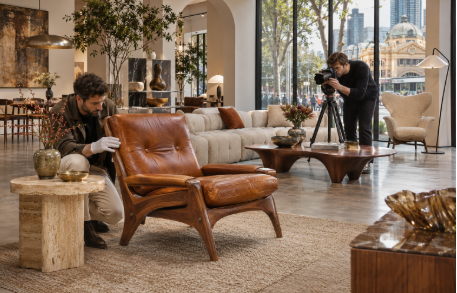
3. Professional photography and listing Once approved, most services will arrange collection, storage, and professional photography at no cost to you. This step matters – well-lit, correctly staged photography significantly affects how fast a piece sells and at what price.
4. Marketing to the right buyers Your piece is listed and marketed to an audience that already understands and values authentic design – a very different buyer pool to general resale marketplaces.
5. Sale, packing and shipping Once sold, the consignment service handles packing and shipping to the buyer. You’re paid your share once the transaction is complete.
What Does Furniture Consignment Cost?
Consignment fees usually cover the full service: valuation, listing, marketing, packing and shipping. A typical fee sits around 30% of the sale price, which is generally lower than the margin you’d lose trying to sell through general resale channels or at auction, once you account for the marketing and buyer reach you gain.
Tips for a Successful Consignment Listing
- Photograph in natural light against a neutral background – avoid styling or clutter
- Include shots of maker’s marks, labels, or authentication details
- Note any damage upfront – accurate condition reporting builds buyer trust
- Keep your original purchase invoice if you have it; it helps with authentication
Why Consignment Beats Selling Privately
Private sales rely on you finding the right buyer, negotiating price, and handling logistics yourself. A specialist consignment service brings a ready audience of design-literate buyers, professional presentation, and handles the entire transaction – from valuation through to shipping.