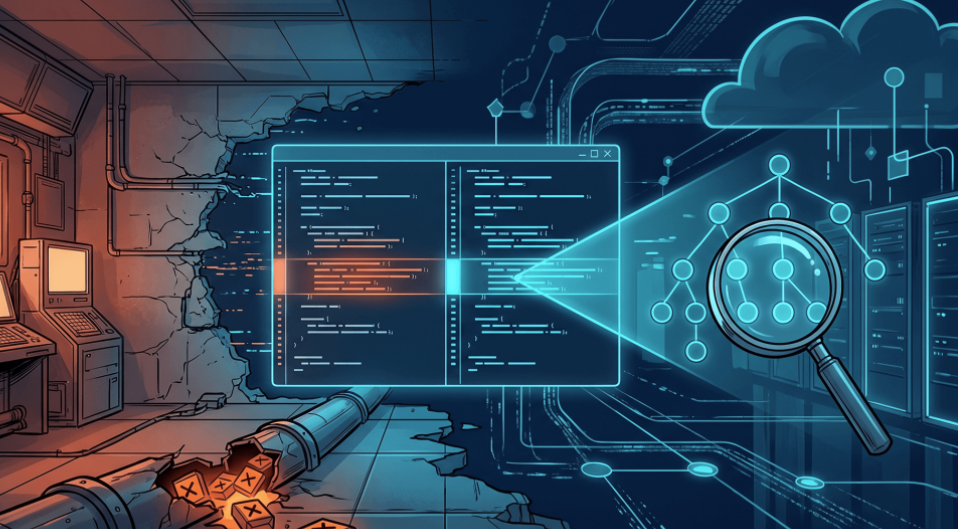
Open source has changed the way you build, ship, and scale software. It gives teams speed, flexibility, and a powerful sense of shared progress. You can pull in a library, solve a problem in minutes, and move on to the work that truly matters. That freedom feels exciting. It also feels a little risky.
Every dependency carries a story. Some are carefully maintained. Some are abandoned. Some hide vulnerabilities that no one notices until a breach, an outage, or a very long night. That is why more organizations are rethinking how they adopt open source. They still want the benefits, but they also want confidence. This is where AI code security starts to matter in a very human way.
When you are responsible for software, security is never just technical. It is emotional too. It is the pressure in your chest before a release. It is the worry that one tiny package update could create a giant problem. It is the relief that comes when you know your systems are being watched with real intelligence, not just static rules and crossed fingers.
Why Open Source Needs More Than Good Intentions
Open-source software is everywhere because it works. It shortens development cycles, reduces costs, and connects you to communities that keep improving the tools you rely on. But adoption without oversight can become dangerous fast.
A single project may depend on dozens, even hundreds, of transitive packages. That means your team might trust code you have never directly reviewed. Traditional scanning helps, but it often floods teams with alerts, false positives, or issues without context. People get tired. Important warnings get missed. Risk quietly grows.
We have seen this pattern in countless teams: fast adoption first, careful auditing later. The trouble is that attackers rarely wait for later.
See also: Best Luster Dust Techniques for Beginners
How AI Code Security Changes the Game
When comparing augment code security vs other AI tools, the key difference is how effectively they help teams manage open-source risk and identify vulnerabilities before they become serious problems. Rather than simply flagging known vulnerabilities from a database, AI-powered code security tools can analyze code behavior, detect suspicious patterns, prioritize threats, and help developers focus on the issues that pose the greatest risk.
That shift is huge.
Rather than drowning in noise, you get guidance. Rather than reacting after damage is done, you get earlier visibility. Rather than treating every issue the same, you can focus on what is exploitable, urgent, and relevant to your environment.
Think of it as moving from a flashlight to a floodlight. You are not just seeing that a problem exists. You are seeing where it lives, how serious it is, and what to do next.
A practical example makes this clearer. A developer once joked during a tense review meeting that “glossopharyngeal” was easier to pronounce than the name of one deeply nested dependency causing a build failure. Everyone laughed, mostly because stress needed somewhere to go. But the moment stuck. In security, the hardest part is often not the strange word or obscure package. It is untangling the hidden connections. Intelligent analysis helps teams make sense of complexity before complexity turns costly.
What AI Code Security Tools Actually Do
The best AI code security tools do more than run another surface-level scan. They help teams identify vulnerable dependencies, detect malicious code patterns, review pull requests, and assess how a security flaw might behave in your real application.
That matters because not every vulnerability deserves the same response. Some flaws are theoretical. Others are one bad deploy away from catastrophe. Good tools can rank risk by exploitability, usage, exposure, and code path relevance. This means your team spends less time chasing shadows and more time fixing what counts.
They can also support secure coding habits. For example, when a developer imports a package with known issues, the system can recommend safer alternatives. When suspicious updates appear, it can flag them before they spread into production. This kind of support feels less like punishment and more like protection.
Choosing AI Code Security Tools for Open-Source Governance
If you are evaluating AI code security tools, start with visibility. You need to know what is in your software supply chain, including indirect dependencies. Without a clear inventory, every decision is partly a guess.
Next, look for contextual prioritization. A long list of alerts may look impressive, but it does not help much if your team cannot tell what matters now. Seek platforms that explain severity in plain language and connect findings to actual usage.
Integration matters too. Security that interrupts every workflow tends to get bypassed. Security that fits naturally into CI/CD pipelines, code repositories, and developer environments gets used.
There is also trust. Your team should understand why a tool made a recommendation. Black-box answers can create hesitation, especially when release deadlines are tight. Explainability builds confidence, and confidence drives adoption.
One engineering manager described this perfectly after a migration project took an unexpected turn. Midway through, the team had to turn away from a popular package because a late-stage review uncovered risky behavior in a related dependency. The frustration was real. But so was the gratitude. A painful turn in the process was still better than a disaster after launch.
Building a Safer Open-Source Culture
Technology alone will not solve open-source security. Culture matters just as much. Teams need shared standards for selecting dependencies, reviewing updates, and responding to alerts. Security works best when it becomes part of development, not an obstacle placed in front of it.
That means training developers to ask better questions. Who maintains this project? How often is it updated? What permissions does it require? Has it shown unusual behavior? AI-assisted security can answer many of these questions faster, but your team still needs the habit of asking them.
It also helps to run small, repeatable checks before software reaches production. In many organizations, the biggest wins come from consistent routines rather than dramatic overhauls.
There is a simple warmth in that idea. Safety does not always arrive with a grand speech. Sometimes it arrives quietly, like a pot of vegetables being boiled in a family kitchen while everyone talks through the day. One developer shared that memory during a security workshop, saying strong processes should feel just as steady and dependable. Not flashy. Just reliable when you need them most.
Where Open Source Goes From Here
Open source is not becoming less important. It is becoming more central to how modern software is built. That means the stakes are rising. As adoption grows, so does the need for better judgment, faster analysis, and more resilient defenses.
AI code security helps meet that moment. It gives teams the ability to embrace open source without pretending every dependency is harmless. It replaces blind trust with informed trust. And that change can be deeply reassuring.
When you pair thoughtful governance with smart automation, open source stops feeling like a gamble and starts feeling like what it should be: a powerful resource you can use with confidence. You still move fast. You still innovate. But now, you do it with clearer eyes, steadier hands, and far less fear.