Stand beside the windows of a Federation cottage in Hobart or a 1960s brick veneer in Launceston on a July morning and you can usually feel the problem before you see it. Most older Tasmanian homes were built with single-glazed timber or aluminium windows, long before energy performance shaped how houses were designed. Upgrading them is one of the more noticeable comfort improvements an owner can make, but the first decision is not about glass. It is whether to fit new units into the openings you already have, as with the retrofit styles of double glazed windows Tasmania households can have made to suit their homes, or to remove the old windows entirely and rebuild the openings.
What Each Option Actually Involves
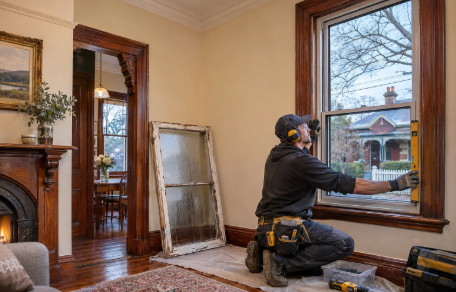
A retrofit installation places a new, made-to-measure double glazed window inside the existing opening. The wall framing, internal linings and external cladding usually stay where they are, although architraves or trims may be replaced to finish the job neatly.
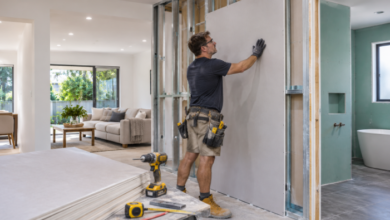
Full replacement goes further. The old frame comes out completely, and the opening can be repaired, resized or moved. This often means new flashings, patched plaster and cladding, and sometimes changes to the lintel above.
Two related approaches are worth knowing about. Re-glazing keeps the existing sashes and swaps single panes for sealed double glazed units, but many old timber sashes are too slim to hold the thicker glass. Secondary glazing adds a separate pane on the inside of the existing window, which can suit homes where the original windows must stay.
See also: A Neutral Host Distributed Antenna Solution Simplifies Carrier Onboarding In San Antonio
When Retrofitting Makes Sense
Retrofitting suits houses where the openings are sound, square and already in the right places. If the timber around each window is solid and you are happy with window sizes and positions, there is little reason to disturb the wall.
The main advantages are less disruption and less making good afterwards. Work can often be done room by room, which helps owners who are staging an upgrade over several years. Retrofitting also lets you change the opening style, for example swapping an old sliding window for an awning or casement design that seals more tightly against wind-driven rain.
When Full Replacement Is the Better Call
Some older windows hide problems that a new unit should not be fitted over. Decades of condensation and rain can rot sills and the framing beneath them. Covering that damage with a new window traps the moisture and leaves the cause untreated, so rotten surrounds generally need opening up and repair first.
Replacement is also the logical route when you want to change the size or position of an opening. A common example is enlarging a north-facing living room window to capture more winter sun. Altering an opening can be structural work, so it may need a building surveyor’s input or approval through your council. If walls are already being opened for a renovation or extension, replacing windows at the same time can avoid paying to disturb the same areas twice.
Heritage and Older-Building Considerations in Tasmania
Properties on the Tasmanian Heritage Register, or within a heritage precinct identified in a council planning scheme, may need approval before visible windows are changed. Heritage Tasmania and your local council can confirm what applies to a specific address. In these cases, keeping original sashes and adding secondary glazing, or choosing replacement profiles that match the original sightlines and glazing bars, is often more acceptable than a new standard design.
Age brings safety issues too. Paint applied before the 1970s may contain lead, and homes built before 1990 may include asbestos in materials such as eaves linings, cladding or old window putty and sealants. Have suspect materials assessed before anything is cut, sanded or removed, because full replacement disturbs far more of the surrounding structure than a retrofit.
Questions to Ask Before You Decide
Start with a simple inspection. Press a screwdriver into the sills and the bottom of the frames; soft timber points to rot. Sashes that stick, frames that are visibly out of square, or cracks running from the corners of openings can signal movement that a builder should look at before any window work begins.
When you get quotes, ask each installer to explain:
- whether they plan to retrofit or replace, and why, for each window
- how the new frame will be sealed and flashed against water entry
- what repairs to plaster, trims and cladding are included in the price
- the whole-window energy rating, not just the glass specification
Window Energy Rating Scheme (WERS) figures, particularly the U-value, allow fairer comparisons because they account for the frame as well as the glass. In a cool climate like Tasmania’s, a lower U-value means less heat escaping on winter nights.
Finally, the choice does not have to be the same for every window. Many older homes end up with a mix: sound windows retrofitted, a rotten bathroom window fully replaced, and a heritage-sensitive street frontage treated with secondary glazing. Assessing each opening on its own condition usually gives a better result, and a fairer budget, than a single approach applied to the whole house.