Choosing a venue for a group event is rarely just about finding enough seats. The space needs to support conversation, food service, guest movement, timing, and the overall purpose of the occasion. For dining-led gatherings, a chinese restaurant function room can suit a seated format where shared dishes, private space, and a steady service flow all matter. The right choice should feel organised without making the event feel stiff or overmanaged.
Start With the Purpose of the Event
Before comparing rooms, define what the gathering is meant to achieve. A birthday dinner, retirement meal, business lunch, engagement celebration, and community group dinner all have different needs.
A social event may need a warm atmosphere and flexible timing. A corporate meal may need quieter surroundings, clear seating, and space for short speeches. A family celebration may need room for children, older guests, and different dietary needs. When the purpose is clear, it becomes easier to judge whether a room suits the tone of the event.
Match the Room Size to the Guest List
Capacity matters, but bigger is not always better. A room that is too small can feel crowded and make service difficult. A room that is too large can make the event feel flat, especially if guests are spread too far apart.
Ask how many people the room can comfortably seat, not just the maximum number allowed. Comfort includes space for chairs to move, staff to serve food, guests to walk around, and any extras such as gifts, a cake table, or presentation equipment. It is also worth checking whether the room works well if the final guest count changes slightly.
Consider the Seating Layout
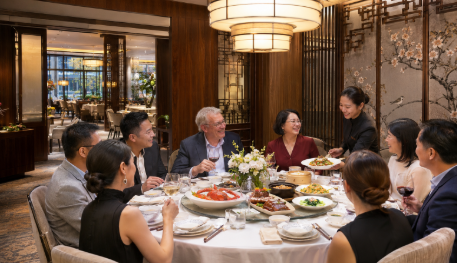
Seating affects the mood of the event more than many people realise. Round tables often support group conversation and shared dishes. Long tables can feel elegant and structured, but guests may only speak easily with those sitting nearby. Smaller tables can work for mixed groups, although they may create a more casual atmosphere.
Think about who needs to sit near whom. Hosts, speakers, elderly guests, families with children, and guests with mobility needs may all require specific placement. A good layout should help the event flow naturally rather than make people feel boxed in.
See also: Best Lifestyle Tips After 100-Unit Wrinkle Care Sessions
Look Closely at Menu Flexibility
Food is central to any restaurant-based function, so the menu should fit the group rather than force everyone into an awkward format. Set menus can simplify planning and help service run smoothly. Shared menus can create a more social experience. Individually ordered meals may offer flexibility, but they can slow the pace for larger groups.
Dietary requirements should be discussed early. Ask how vegetarian, gluten-free, allergy-aware, and other dietary requests are handled. It is also helpful to confirm whether children’s portions, banquet options, or adjusted spice levels are available. Clear menu planning reduces stress on the day.
Think About Privacy and Noise
A function room does not always need to be fully closed off, but the level of privacy should suit the event. Some occasions need a quiet room for speeches or business discussions. Others only need a defined area that feels separate from the main dining room.
Noise is another important detail. Hard surfaces, loud music, and nearby foot traffic can make conversation difficult. Before booking, consider whether guests will be able to hear one another comfortably. This is especially important for events with older guests or formal moments.
Check Service Flow and Timing
A good function room should allow staff to move easily without interrupting guests. Service flow affects how quickly food arrives, how drinks are managed, and how comfortable the room feels once everyone is seated.
Ask about arrival times, meal pacing, cake service, speeches, and how long the room is reserved. Some venues work best with a fixed schedule, while others allow a more relaxed pace. Knowing this early helps avoid rushed endings or long gaps between courses.
Review Access, Parking, and Guest Comfort
Even a beautiful room can cause problems if guests struggle to reach it. Check whether the venue has lift access, nearby parking, public transport options, and suitable entrances for guests with mobility needs.
Comfort also includes lighting, temperature, bathrooms, coat space, and room for prams or mobility aids. These details may seem small, but they shape how guests feel throughout the event. A practical room often creates a better experience than a more impressive space with poor access.
Confirm Costs and Booking Terms
Before making a final decision, understand the full cost structure. This may include room hire, minimum spend, deposits, cancellation terms, service charges, menu prices, drinks packages, and overtime fees.
Clear terms protect both the organiser and the venue. Ask what is included, what costs extra, and when numbers must be confirmed. Written confirmation is useful, especially for larger gatherings. It keeps expectations clear and prevents confusion closer to the event.
Build the Event Around Guest Experience
The best restaurant function room is one that lets guests relax, talk, eat well, and understand what is happening throughout the event. Room size, seating, menu, privacy, service, access, and cost all play a role.
A thoughtful choice does not need to be complicated. It simply requires looking beyond appearance and asking how the space will work once guests arrive. When the room supports the purpose of the gathering, the event feels easier for the host and more enjoyable for everyone attending.