Ground support is one of the most critical aspects of any mining, tunneling, or civil engineering project. Without properly engineered rock reinforcement systems, underground excavations become unstable, putting workers, equipment, and entire projects at risk. That is why choosing the right rock bolt suppliers is not a decision to take lightly. The quality, consistency, and technical support offered by a supplier can directly influence the safety and long-term performance of an entire operation.
In this article, we will explore what rock bolts are, why they matter, the different types available, and the key factors to consider when evaluating rock bolt suppliers for your next project.
What Are Rock Bolts and Why Are They Important?
Rock bolts are steel reinforcement elements installed into pre-drilled holes in rock formations to stabilize the surrounding strata. They work by binding weaker rock layers together, transferring load, and preventing rock falls or collapses in underground excavations. Rock bolts are widely used in mining, tunneling, hydropower projects, road cuttings, and other geotechnical applications where rock stability is a concern.
The primary function of a rock bolt is to reinforce the rock mass so that it becomes self-supporting. This is achieved through mechanical anchoring, resin bonding, or friction-based systems, depending on the type of bolt used and the geological conditions present at the site.
Given the safety-critical nature of this equipment, sourcing from experienced and reliable rock bolt suppliers is essential. A poorly manufactured or incorrectly specified rock bolt can fail under load, leading to catastrophic consequences in underground environments.
Types of Rock Bolts Commonly Supplied
Reputable rock bolt suppliers typically offer a wide range of products to suit different geological and operational requirements. Some of the most common types include:
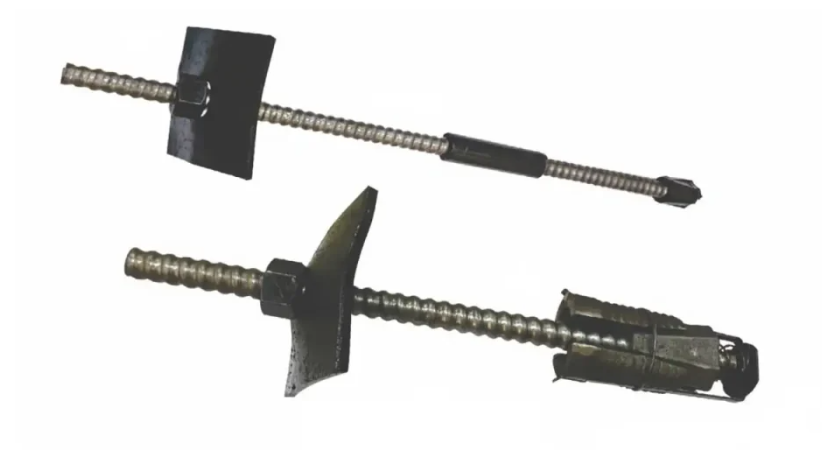
- Mechanical Anchor Bolts – These use an expansion shell mechanism that grips the rock when tightened, providing immediate support.
- Resin Bolts – Installed with resin cartridges that bond the bolt to the rock over its full length, offering strong and durable anchorage.
- Split Set Friction Bolts – A slotted tube that is driven into a slightly smaller borehole, relying on friction for support. These are popular for their quick installation.
- Swellex Bolts – Expanded using high-pressure water, these bolts expand to fill the borehole and grip the rock uniformly.
- Self-Drilling Anchor Bolts – Designed for use in loose or fractured ground where drilling and bolt installation happen simultaneously.
- Cable Bolts – Used for deeper reinforcement, particularly in high-stress mining environments.
Each of these bolt types has its own advantages depending on rock quality, depth, load requirements, and installation speed. A knowledgeable supplier will help engineers and site managers select the correct type based on ground conditions and project specifications.
Why the Choice of Supplier Matters
Not all rock bolt suppliers offer the same level of quality, consistency, or technical expertise. Since rock bolts are a safety-critical component, the manufacturing process, material quality, and testing standards followed by a supplier can make a significant difference in real-world performance.
Here are some of the reasons why supplier selection is so important:
- Material Quality: Rock bolts must be made from high-tensile steel that meets strict yield and tensile strength standards. Inferior materials can lead to premature failure.
- Manufacturing Consistency: Variations in thread quality, coating, or dimensions can cause installation issues and reduce load-bearing capacity.
- Certification and Testing: Reliable suppliers conduct pull tests, tensile tests, and quality assurance checks before shipping products.
- Technical Support: Good suppliers provide engineering guidance on bolt selection, spacing, and installation methods tailored to specific site conditions.
- Supply Chain Reliability: Mining and tunneling projects often operate on tight schedules, so consistent and timely delivery is critical.
Working with experienced rock bolt suppliers ensures that these factors are addressed properly, reducing the risk of project delays or safety incidents caused by substandard materials.
Key Factors to Consider When Evaluating Rock Bolt Suppliers
When comparing potential suppliers, it helps to have a structured approach. Below is a comparison table outlining the key evaluation criteria that procurement teams and site engineers typically use.
| Evaluation Criteria | Why It Matters | What to Look For |
| Product Range | Different geological conditions require different bolt types | Suppliers offering mechanical, resin, friction, and cable bolts |
| Material Certification | Ensures bolts meet required strength standards | Mill test certificates, ISO certifications |
| Manufacturing Capacity | Affects ability to meet large project demands | Modern production facilities, scalable output |
| Quality Testing | Confirms product reliability before deployment | Pull-out tests, tensile strength reports |
| Customization Options | Projects often need specific lengths or coatings | Ability to produce custom diameters, lengths, corrosion protection |
| Technical Support | Helps optimize bolt selection for site conditions | Engineering consultation, installation guidance |
| Delivery & Logistics | Impacts project timelines | Track record of on-time delivery, export experience |
| After-Sales Service | Builds long-term partnership value | Warranty terms, responsiveness to issues |
Using a structured comparison like this allows project managers to make informed decisions rather than choosing a supplier based solely on price.
Corrosion Protection and Environmental Considerations
One aspect that is often overlooked when sourcing rock bolts is corrosion resistance. In many underground environments, particularly those with high humidity, groundwater exposure, or corrosive minerals, standard steel bolts can degrade over time. This weakens their load-bearing capacity and can compromise long-term structural integrity.
Leading rock bolt suppliers typically offer galvanized, epoxy-coated, or stainless steel options for projects located in aggressive environments. When evaluating suppliers, it’s worth asking about their corrosion protection options and whether they can provide long-term performance data or case studies from similar environmental conditions.
Installation Support and Training
Even the highest-quality rock bolt is only effective if installed correctly. Improper installation,whether due to incorrect torque application, inadequate resin mixing, or poor borehole preparation,can significantly reduce the effectiveness of the reinforcement system.
Because of this, many top-tier suppliers go beyond simply manufacturing and shipping products. They offer:
- On-site installation training for crews
- Technical documentation and installation manuals
- Ongoing consultation for challenging ground conditions
- Support during the design phase of ground support systems
This kind of comprehensive support is a hallmark of suppliers who understand that their responsibility doesn’t end at the point of sale.
Global Sourcing Considerations
Many mining and construction companies today source rock bolts internationally to benefit from competitive pricing and specialized manufacturing capabilities. When sourcing globally, it’s important to consider factors such as export documentation, shipping timelines, customs compliance, and the supplier’s experience working with international clients.
Established rock bolt suppliers with a strong export track record are generally better equipped to handle the logistical complexities of cross-border trade, including proper packaging for long transit times and compliance with destination country standards.
See also: How to Start and Scale a Successful Small Business in 2026
Sustainability and Long-Term Value
Sustainability is increasingly becoming a factor in procurement decisions across the mining and construction industries. Companies are now looking at the full lifecycle of the products they purchase, including manufacturing processes, material sourcing, and recyclability.
Suppliers who invest in efficient manufacturing processes, reduce material waste, and offer durable, long-lasting products contribute to more sustainable project outcomes. When evaluating rock bolt suppliers, it can be worthwhile to ask about their sustainability practices and how they align with your organization’s broader environmental goals.
Building a Long-Term Partnership
Rather than treating rock bolt procurement as a one-time transaction, forward-thinking companies aim to build long-term relationships with their suppliers. This approach offers several advantages:
- Consistent product quality across multiple projects
- Better pricing through long-term agreements
- Faster response times for urgent orders
- Deeper understanding of your specific project requirements over time
- Access to new product innovations as they become available
A trusted, long-term supplier relationship also reduces the administrative burden of constantly vetting new vendors and helps ensure continuity in ground support standards across an organization’s operations.
Final Thoughts
Selecting the right rock bolt suppliers is a decision that directly impacts the safety, efficiency, and success of mining and tunneling projects. From material quality and testing standards to technical support and logistics reliability, there are many factors that should be carefully evaluated before committing to a supplier.
By taking a structured approach, comparing product ranges, certifications, corrosion protection options, and after-sales support, project teams can make informed decisions that reduce risk and improve long-term operational outcomes. Partnering with experienced rock bolt suppliers who understand the technical and logistical demands of ground support projects is one of the most important steps toward ensuring safe and successful underground operations.