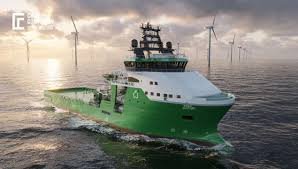
Offshore wind energy has become a cornerstone of the global shift toward cleaner power. As wind farms expand farther from shore, the complexity of maintaining them increases. Turbines must operate continuously to meet energy demands, yet they are exposed to harsh marine conditions that require constant monitoring and maintenance. This is where the SOV vessel plays a critical role.
A modern SOV vessel is far more than a transport ship. It acts as a floating base of operations, enabling technicians to live, work, and carry out maintenance tasks directly at sea. Without these vessels, keeping offshore wind farms running efficiently would be extremely difficult.
For readers seeking a clear and practical understanding of how offshore wind farms stay operational around the clock, this article provides a detailed look at the role of the SOV vessel. It explores how these vessels function, why they are essential, and how they are evolving to meet the demands of modern renewable energy projects.
Understanding the Purpose of an SOV Vessel
An SOV vessel, or Service Operation Vessel, is specifically designed to support offshore wind farms during their operational phase. Unlike installation vessels, which are used to build wind farms, the SOV vessel focuses on long-term maintenance and support.
The primary purpose of an SOV vessel is to transport technicians safely to wind turbines and provide the infrastructure needed for maintenance activities. This includes accommodation, workspaces, and storage for tools and spare parts.
The ability of an SOV vessel to remain offshore for extended periods is what sets it apart. By reducing the need for daily travel from shore, it allows maintenance teams to respond quickly to issues and maximize operational efficiency.
Why Continuous Operation Matters in Offshore Wind
Offshore wind farms are designed to generate electricity consistently. Any downtime can lead to significant losses in energy production and revenue. This makes continuous operation a top priority.
Wind turbines operate in challenging conditions, including strong winds, saltwater exposure, and mechanical stress. Over time, these factors can lead to wear and tear that requires regular maintenance.
The SOV vessel ensures that maintenance can be carried out without delay. By keeping technicians close to the turbines, it reduces response times and allows for more efficient scheduling of repairs and inspections.
This continuous support is essential for maintaining the reliability and performance of offshore wind farms.
Key Features That Enable 24/7 Operations
The design of an SOV vessel is centered around enabling round-the-clock operations. Every feature is carefully engineered to support safety, efficiency, and comfort.
One of the most important features is the motion-compensated gangway. This system allows technicians to transfer safely between the vessel and a turbine, even in rough sea conditions. It adjusts in real time to compensate for vessel movement, ensuring stability during transfers.
Dynamic positioning systems are also critical. These systems use advanced sensors and thrusters to keep the SOV vessel in a fixed position relative to a turbine. This precision is essential for safe and efficient operations.
Onboard facilities play a significant role as well. Accommodation areas, workshops, and storage spaces allow crews to live and work on the vessel for extended periods. This self-sufficient design supports continuous operation without frequent returns to shore.
Life Onboard an SOV Vessel
Working offshore is demanding, and the design of an SOV vessel reflects the need to support crew well-being. Technicians and crew members often spend weeks at sea, making comfort and functionality essential.
Accommodation areas are designed to provide rest and relaxation. Comfortable cabins, dining facilities, and recreational spaces help maintain morale and productivity.
Workspaces are equally important. Workshops and equipment storage areas are organized to ensure that technicians can access the tools they need quickly and efficiently.
Communication systems also play a key role. Staying connected with onshore teams and family members helps reduce the isolation of offshore work.
By addressing both professional and personal needs, the SOV vessel creates an environment where crews can perform at their best.
Safety as a Core Priority
Safety is a fundamental aspect of offshore operations, and the SOV vessel is designed with this in mind. Working at sea involves risks, including unpredictable weather and complex equipment.
Motion-compensated gangways reduce the risk of accidents during transfers, while real-time monitoring systems provide data on environmental conditions. This allows crews to make informed decisions and avoid unnecessary risks.
Training and procedures are also critical. Crew members must be prepared to handle a wide range of scenarios, from routine maintenance to emergency situations.
The focus on safety ensures that operations can continue without compromising the well-being of personnel.
Technology Driving Efficiency
Technology is transforming how the SOV vessel operates. Modern vessels are equipped with advanced systems that enhance efficiency and performance.
Digital monitoring tools provide real-time insights into vessel operations and environmental conditions. This data helps operators optimize performance and identify potential issues before they become critical.
Automation is also playing a role. Automated systems assist with navigation, positioning, and equipment management, reducing the workload on crew members and improving accuracy.
These technological advancements allow the SOV vessel to operate more efficiently, supporting the continuous operation of offshore wind farms.
Environmental Considerations in SOV Vessel Design
As part of the renewable energy sector, offshore wind projects are closely linked to sustainability. The design and operation of the SOV vessel reflect this commitment.
Modern SOV vessels are being developed with energy efficiency in mind. Improved hull designs and propulsion systems help reduce fuel consumption and emissions.
Efforts are also being made to minimize environmental impact. This includes reducing noise pollution and ensuring that operations do not disturb marine ecosystems.
By aligning with sustainability goals, the SOV vessel supports the broader mission of clean energy production.
The Expanding Role of SOV Vessels
The role of the SOV vessel is evolving as offshore wind projects continue to grow. Larger wind farms and more complex installations require greater levels of support.
SOV vessels are becoming more advanced, with enhanced capabilities and increased capacity. They are designed to handle a wider range of tasks, from routine maintenance to specialized repairs.
This expansion reflects the increasing importance of offshore wind in the global energy landscape. As demand for renewable energy grows, the role of the SOV vessel will continue to expand.
Challenges in Maintaining 24/7 Operations
Despite their capabilities, SOV vessels face several challenges. Offshore environments are inherently unpredictable, and weather conditions can impact operations.
Logistical coordination is another challenge. Ensuring that the right personnel and equipment are available at the right time requires careful planning.
Economic factors also play a role. Building and operating an SOV vessel involves significant investment, making efficiency a key consideration.
Addressing these challenges requires a combination of technology, expertise, and strategic planning.
Frequently Asked Questions (FAQ)
What is an SOV vessel?
An SOV vessel, or Service Operation Vessel, is a specialized ship designed to support the maintenance and operation of offshore wind farms.
How does an SOV vessel keep wind farms running 24/7?
An SOV vessel allows technicians to stay offshore and perform maintenance tasks without delays, ensuring continuous operation of wind turbines.
What is a motion-compensated gangway?
It is a system that allows safe transfer of personnel between the vessel and turbines by adjusting for vessel movement in real time.
Why are SOV vessels important for offshore wind projects?
They provide essential support, reduce downtime, and improve efficiency by enabling quick response to maintenance needs.
How long do crews stay on an SOV vessel?
Crew members typically stay onboard for extended periods, depending on project requirements and operational schedules.
Are SOV vessels environmentally friendly?
Modern SOV vessels are designed to reduce emissions and minimize environmental impact, aligning with renewable energy goals.
What is the future of SOV vessels?
The future includes greater use of automation, advanced technologies, and sustainable energy systems to enhance performance and efficiency.
Conclusion
The SOV vessel has become an essential part of offshore wind operations, enabling wind farms to function continuously in challenging marine environments. By combining advanced technology, thoughtful design, and human expertise, these vessels provide the support needed to keep turbines running efficiently around the clock.
As offshore wind projects expand and evolve, the importance of the SOV vessel will only increase. Its ability to serve as a floating base of operations, support maintenance activities, and adapt to changing demands makes it a cornerstone of modern renewable energy infrastructure.
Ultimately, the success of offshore wind energy depends not only on the turbines themselves but also on the systems that support them. The SOV vessel represents this critical support, ensuring that clean energy can be delivered reliably and sustainably, day and night, far from shore.