Walls have long served as more than structural elements in homes, businesses, and public spaces. Across different cultures and generations, they have become surfaces for creativity, expression, and communication. Today, mural art continues to evolve as a powerful design feature that combines visual beauty with meaningful storytelling. From commercial interiors to outdoor city walls, mural painting has become an artistic medium that allows spaces to communicate emotion, history, identity, and purpose.
Turning Spaces Into Visual Narratives
Every well-designed mural tells a story. Unlike standard decorative elements, murals are often created with intention and purpose. They can reflect cultural heritage, celebrate local history, represent a company’s values, or simply create an emotional connection with viewers. Through carefully selected imagery, colors, and composition, artists transform ordinary walls into immersive visual experiences.
In public areas, murals often serve as reflections of the surrounding community. A neighborhood mural may showcase historical events, local traditions, or symbols that represent unity and pride. These artistic installations become landmarks that help strengthen community identity while making public spaces more engaging and memorable.
The Emotional Power of Artistic Design
Storytelling through art creates emotional responses that traditional design methods may not achieve as effectively. A thoughtfully designed mural can inspire joy, nostalgia, motivation, or curiosity, depending on the artistic direction. This emotional depth is one of the reasons mural painting has become increasingly popular in modern interior and architectural design.
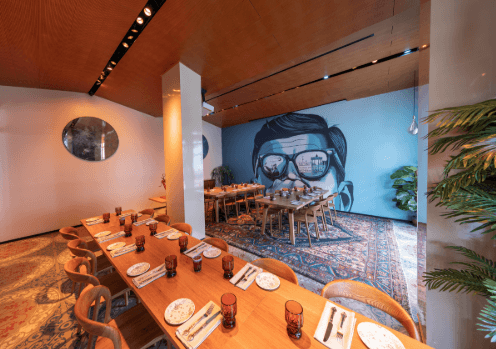
Restaurants, hotels, offices, and retail stores are now using murals to create stronger connections with visitors. A hospitality venue might use tropical landscapes or abstract artistic scenes to create a relaxing atmosphere, while a creative workspace may feature energetic designs that encourage innovation and collaboration. In both cases, the mural becomes part of the experience rather than simply a decorative background.
Creating Identity Through Custom Artwork
Murals are becoming useful branding tools in business settings. Large-scale art is being used by businesses to show who they are and what they stand for in an interesting way. Custom murals make businesses stand out and give buyers a place to remember.
Cafes might have hand-painted pictures that show off the culture of the area, and stores might use art on the walls to strengthen their brand image. These visual elements make spaces stand out and make people want to connect with them and share their experiences online.
This is why a lot of businesses now see mural painting as both an investment in art and a way to sell themselves. A unique painting can bring more people into a store, get customers more involved, and boost brand recognition all at the same time.
The Human Touch Behind Handcrafted Murals
One reason murals remain impactful is the authenticity behind hand-painted artwork. Unlike digital wallpapers or printed graphics, murals carry the personal style and craftsmanship of the artist. Every brushstroke contributes to the uniqueness of the final piece.
This handcrafted quality gives murals a sense of character that cannot easily be replicated. Whether the design is realistic, abstract, or modern, viewers often appreciate the creativity and effort involved in producing large-scale wall art by hand.
Artists also collaborate closely with clients to ensure the mural aligns with the intended message and environment. This collaborative process helps create artwork that feels personal and connected to the space itself.
See also: A More Personal Way to Mark Life’s Big Moments
Enhancing Modern Interior Design
Interior designers increasingly incorporate murals into both residential and commercial projects because of their versatility. Murals can make small rooms feel larger, add depth to plain surfaces, or create focal points that instantly capture attention.
In homes, murals are often used in living rooms, children’s bedrooms, and entertainment spaces to reflect personality and creativity. In offices, murals can improve workplace aesthetics while reinforcing company culture. Educational institutions also use murals to inspire students and create visually stimulating learning environments.
The flexibility of mural art allows designers to experiment with themes, textures, and styles that complement modern architectural trends while maintaining artistic individuality.
Conclusion
Mural art continues to play an important role in storytelling through design because it transforms ordinary spaces into meaningful visual experiences. Through creativity, emotion, and artistic expression, murals communicate messages that resonate with viewers in powerful ways. Whether used in public spaces, homes, or commercial interiors, mural painting allows walls to become more than part of a structure. They become stories brought to life through art, imagination, and design.